More than 30 begonia varieties debut! To become an Internet celebrity plant, in addition to its beautiful appearance, it also has an advantage that cannot be ignored. You guess...
Today I would like to share with you a recent Internet celebrity plant -Begonia, which is mainly divided into two categories: foliage observation and flower observation. But I think it can also add to the category of "enjoying all flowers and leaves"  。
。
The reason why begonia is loved by flower lovers, In addition to its online appearance, most of its varieties are easy to maintain and like scattered light, which is very suitable for home use. Here is a brief introduction of 34 varieties of begonia for flower lovers to appreciate and see which one you like best. Let me secretly tell you, my favorite Green bubble begonia, how about you?

Trout Begonia

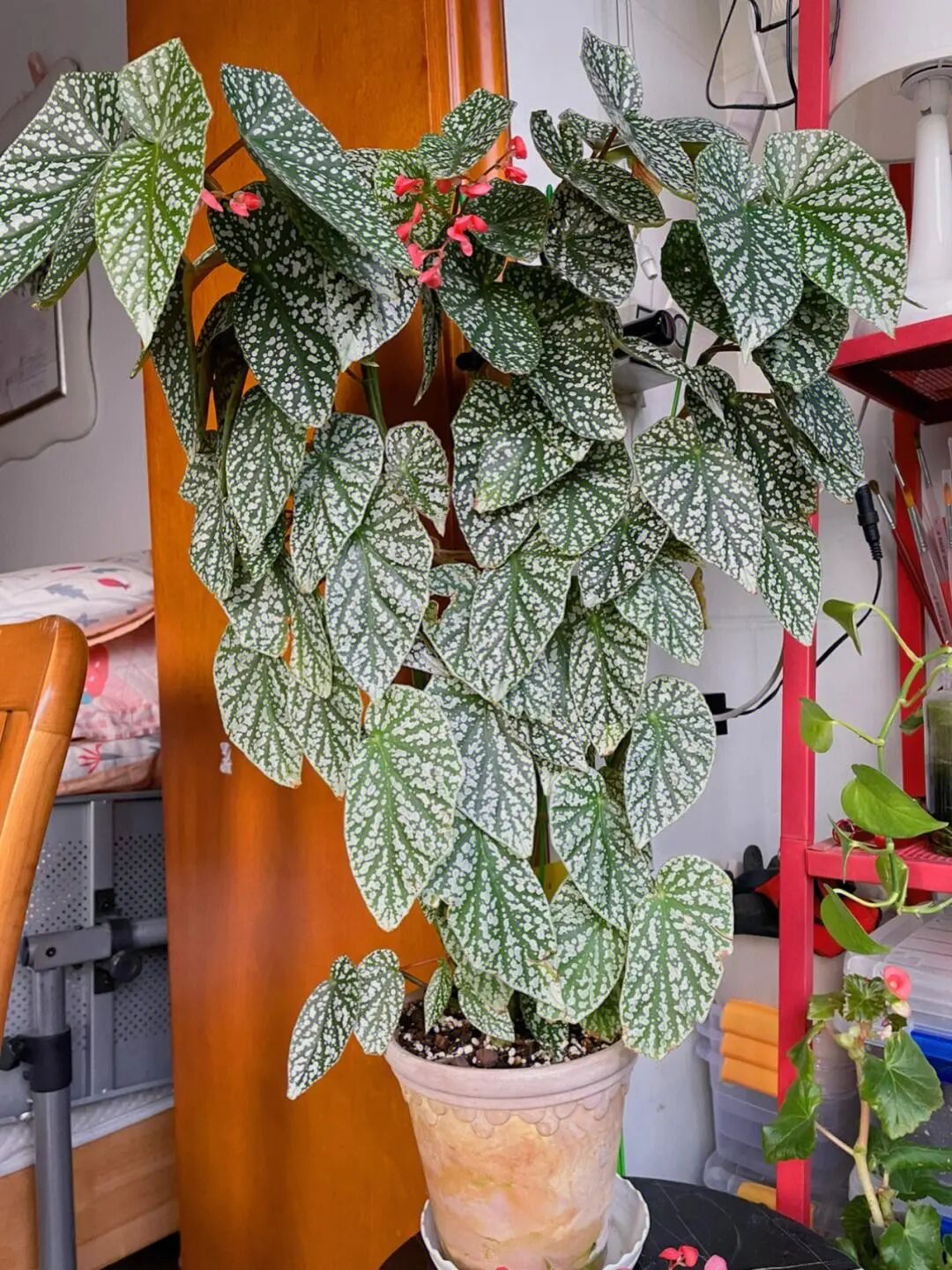
Trout begonia is a well-known species of begonia family, and it is a very popular "online celebrity" plant. The tree shape is tall and upright (it is said that it can grow to 2 meters high when planted on the ground), with large and dense leaves. The front of the leaves is dark green, covered with white spots, the back is brown-red, and white flowers. The whole is fresh and artistic.
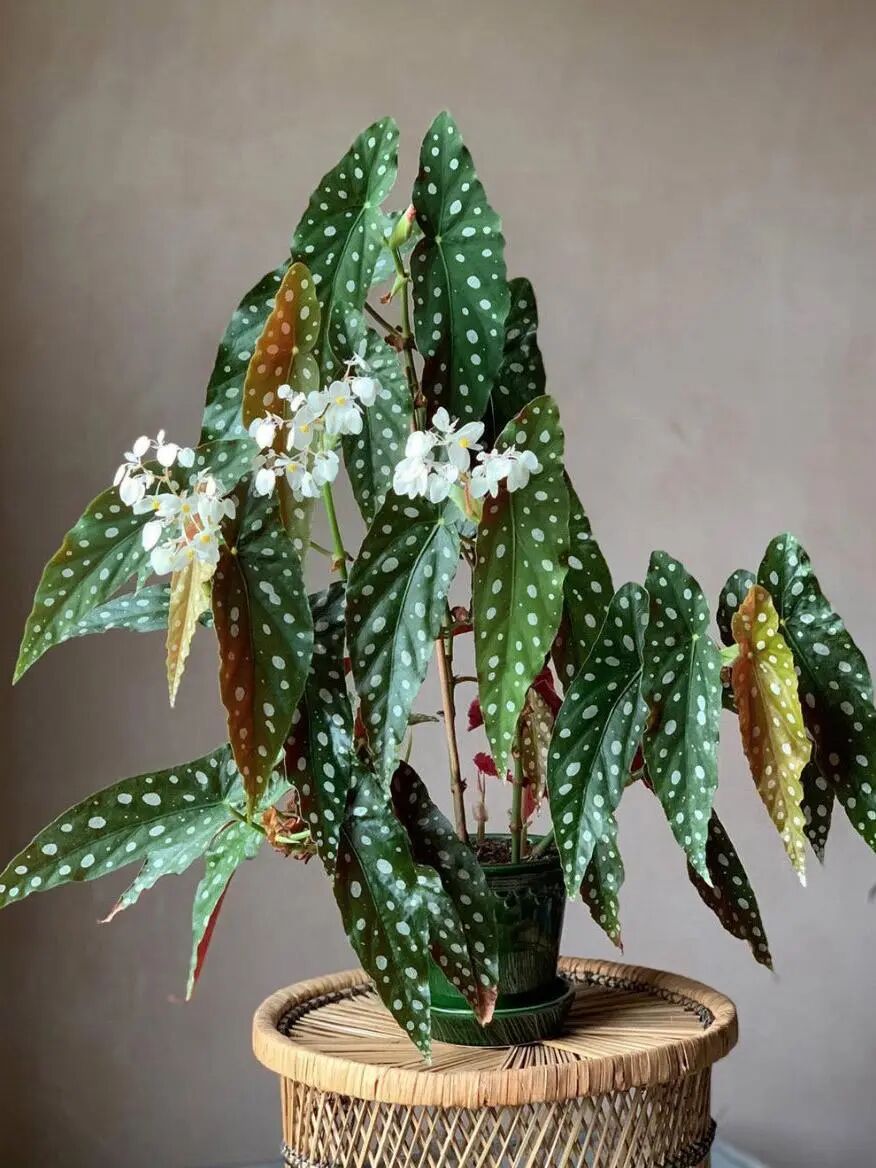
Pink Sailfish Begonia
The pink sailfish begonia is known as an upgraded version of the trout begonia, after In dwarf treatment, the plant height is mostly about 30-50 cm, but its tree shape is more compact, and its dark green leaves are the same Covered with white spots, the back is brown-red, but its flowers are richer in color: It is light pink at first, and gradually becomes white at the later stage.
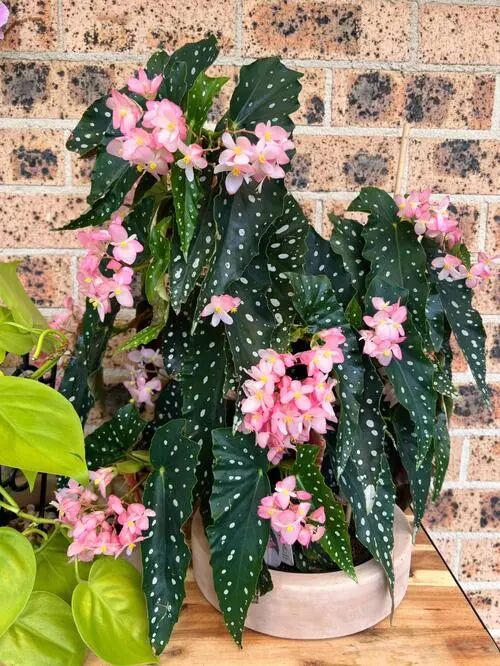
Sophie Begonia
Sophie Begonia is full of flower and leaf A typical representative of beauty, the tree is tall and upright (can grow to more than 3 m high), the plant shape is round and compact, the leaves are very large (up to 20 cm long), maple-shaped, dark green (brown-red on the back), the leaves have unique markings and white and pink spots, and the leaves are opposite, just like angel wings. The flowers are very large, pink in color and open in clusters.
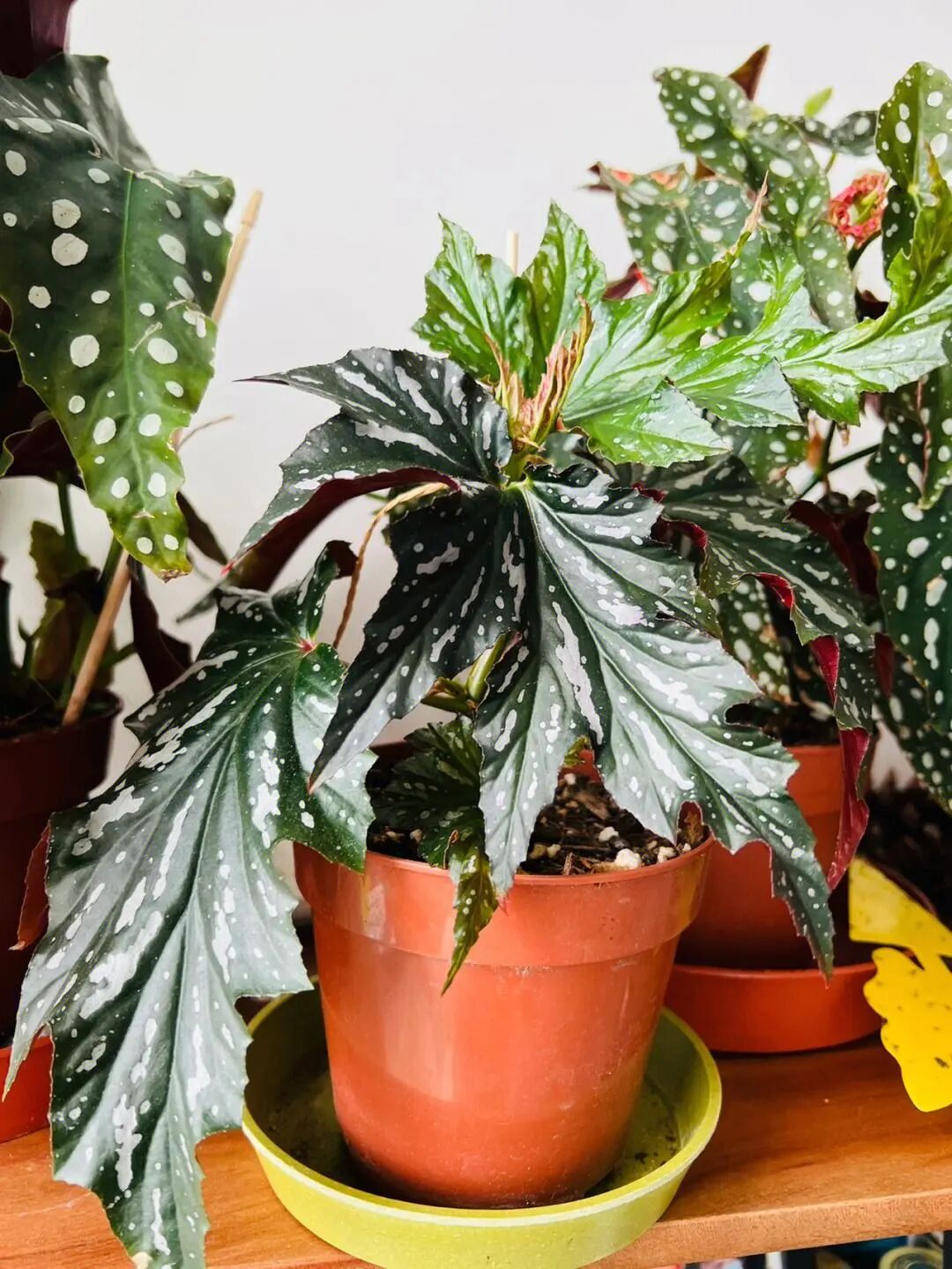
Begonia split-leaf rose
Begonia split-leaf rose is a Begonia family The new favorite of China, it can grow to 2-3 m high when planted on the ground, and its leaves are almost as big as those of Sophie Begonia, but even more peculiar: The leaves are naturally curled, looking like the shape of rose petals when viewed from the side. The young leaves are bronze, and gradually turn dark green with growth. There are many silver spots on the leaves, like artificial stippling, which is noble and cold.
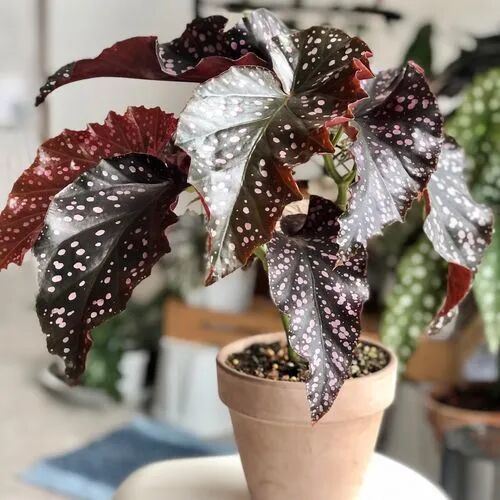

Pink dot begonia
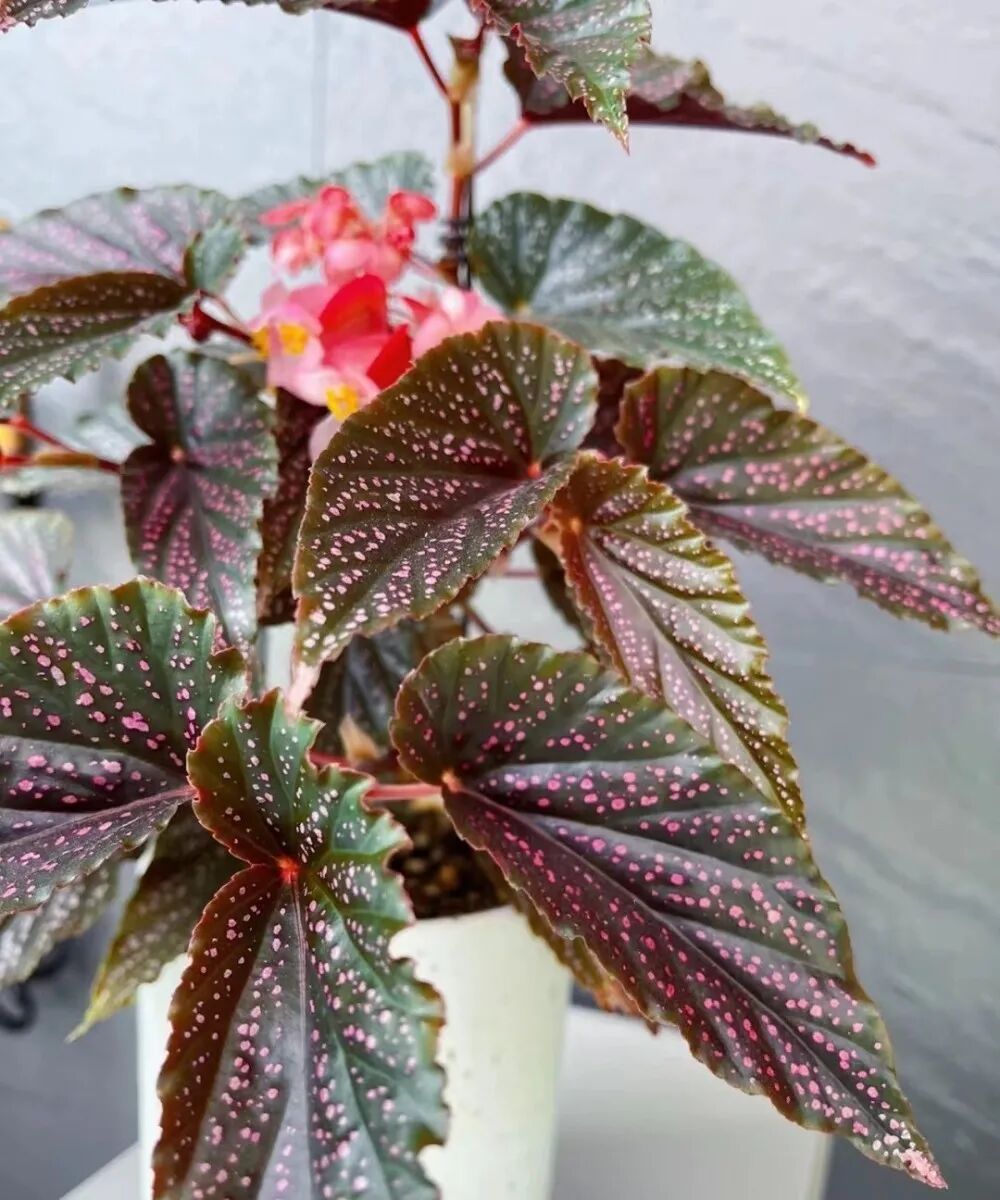
Pink dot begonia Also called strawberry frosting begonia, the leaves are dotted with pink spots, and the spots on the old leaves are more obvious, which makes the whole plant pink, sweet and healing.
Mount Fuji Begonia
Mount Fuji Begonia is a new member of the begonia family, and its face value is super high. The plant shape is round and lush, can grow to more than 1 m high, with green leaves covered with white spots Spots (the color of spots will change with light and other factors), red flowers are like hearts, beautiful and bearable.
White Ice Begonia
Begonia white, also known as Bingxin Begonia, is a close relative of Trout Begonia. It is shorter than Trout Begonia, and it is very similar to Mount Fuji Begonia, but its leaves are not as round as Mount Fuji Begonia, with pink flowers.
Bamboo festival autumn sea Tang
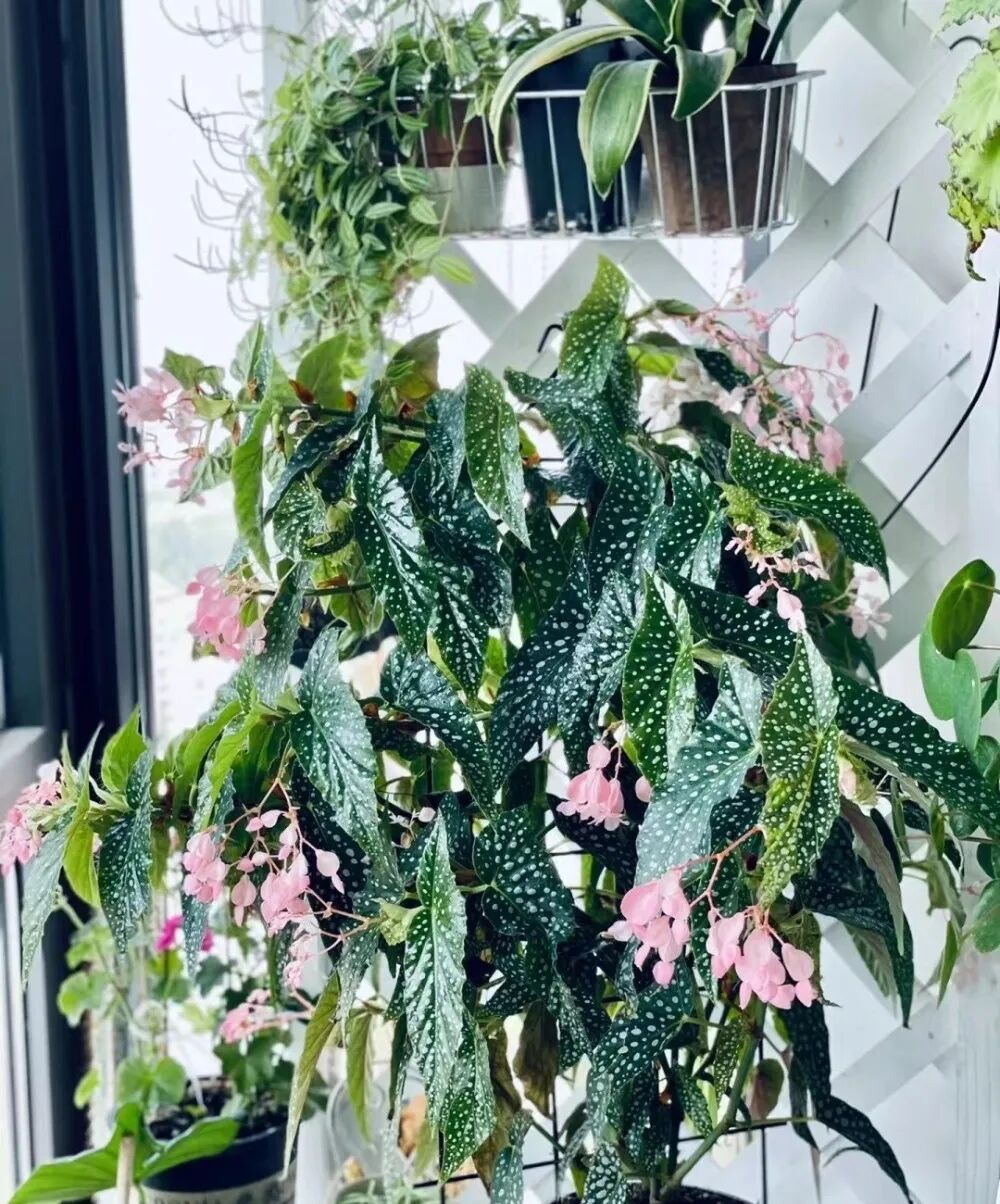
Begonia bamboo It is said that it is the most flowering one in the begonia family. The plants are upright and the branches are like bamboo, hence its name. It can be divided into several varieties: The leaves can be divided into green leaves, variegated leaves and red leaves; Flowers can be divided into red flowers and pink flowers. Flowers bloom wave after wave. If they are properly maintained, it is not a problem to bloom in all seasons.
Silver Star Begonia
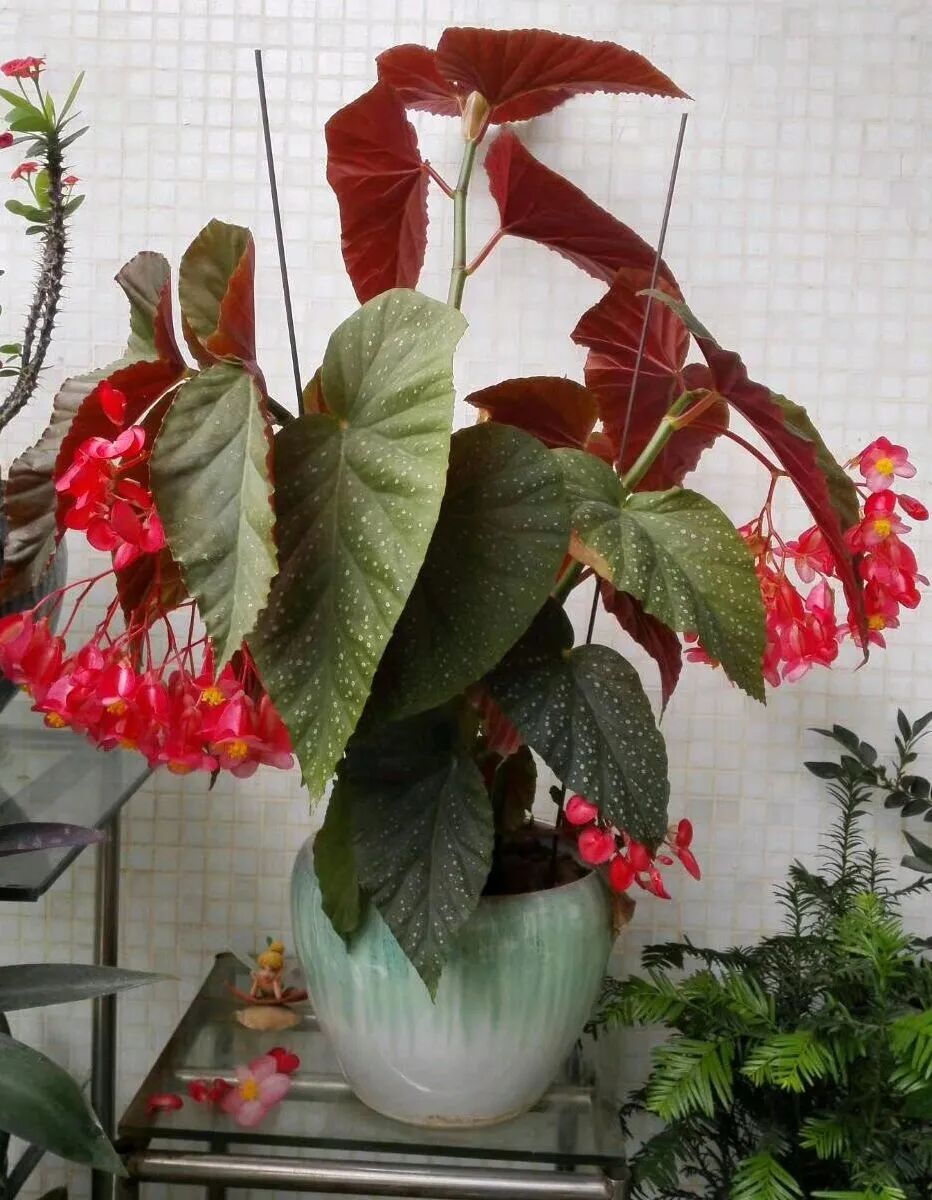
Begonia silver star is similar to Begonia bamboo , the biggest difference between them is the leaf color, The whole plant of Silver Star Begonia is turquoise green, while the Bamboo Begonia is filled with a brownish red. The leaves of the Silver Star Begonia were covered with silvery white spots, as numerous as stars.
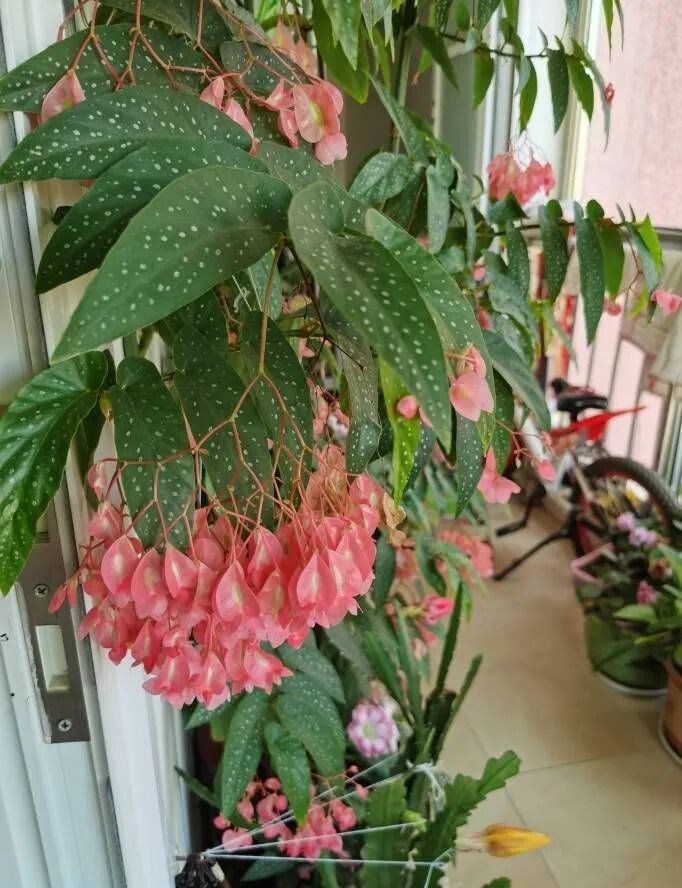
Dragon-winged Begonia
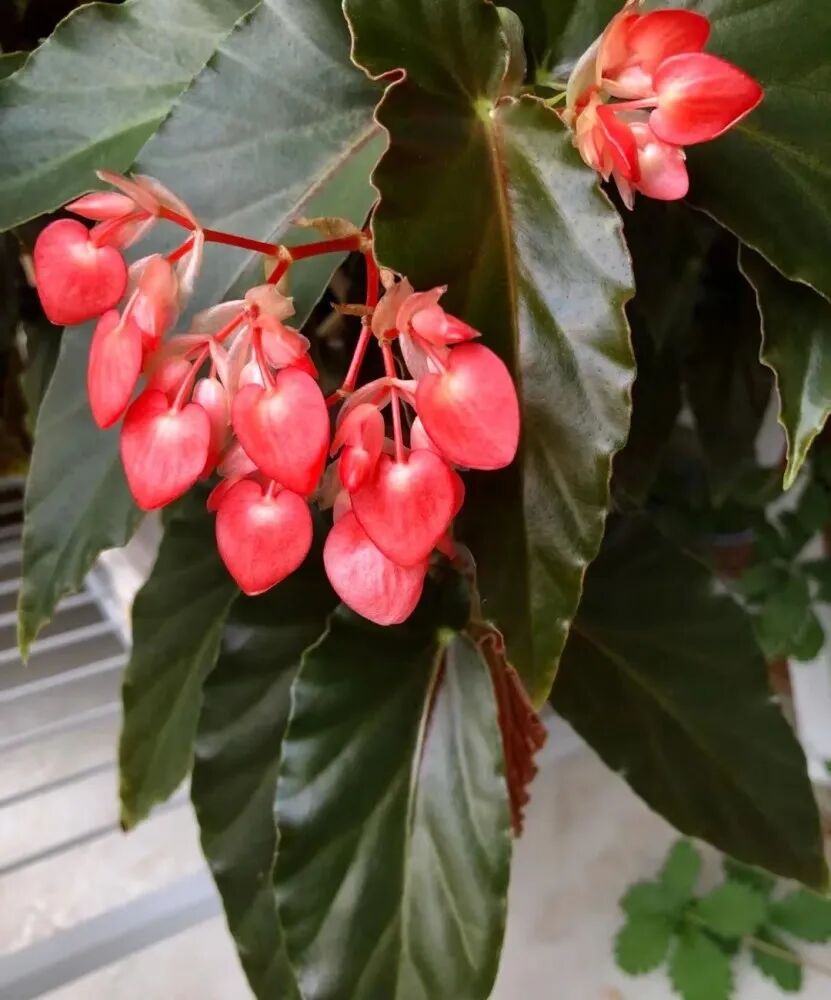
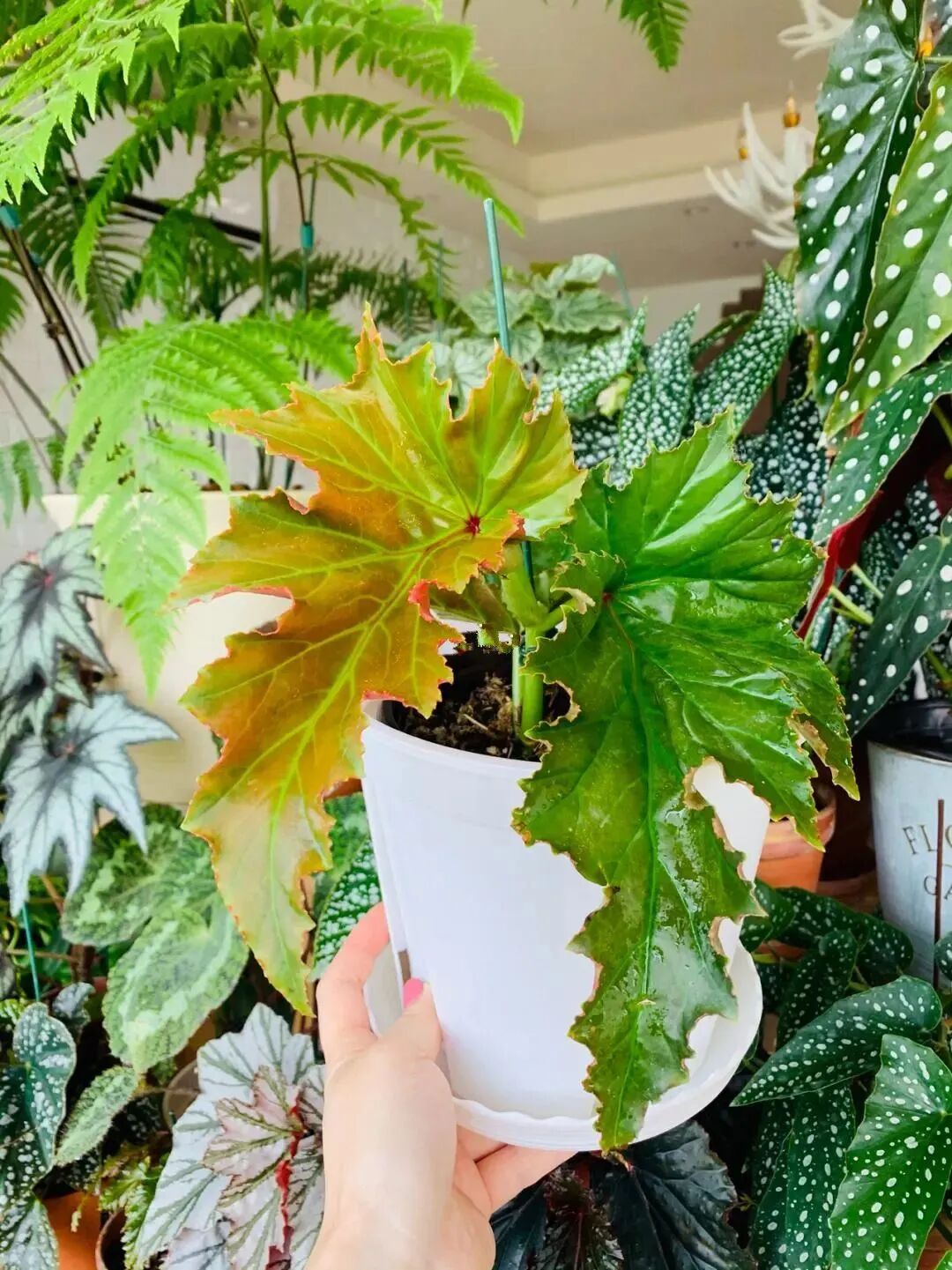
Maple autumn Begonia
The uniqueness of maple begonia lies in its maple-like leaves. There are two common kinds of red leaves and green leaves, and the leaves have unique lines, which are very unique.
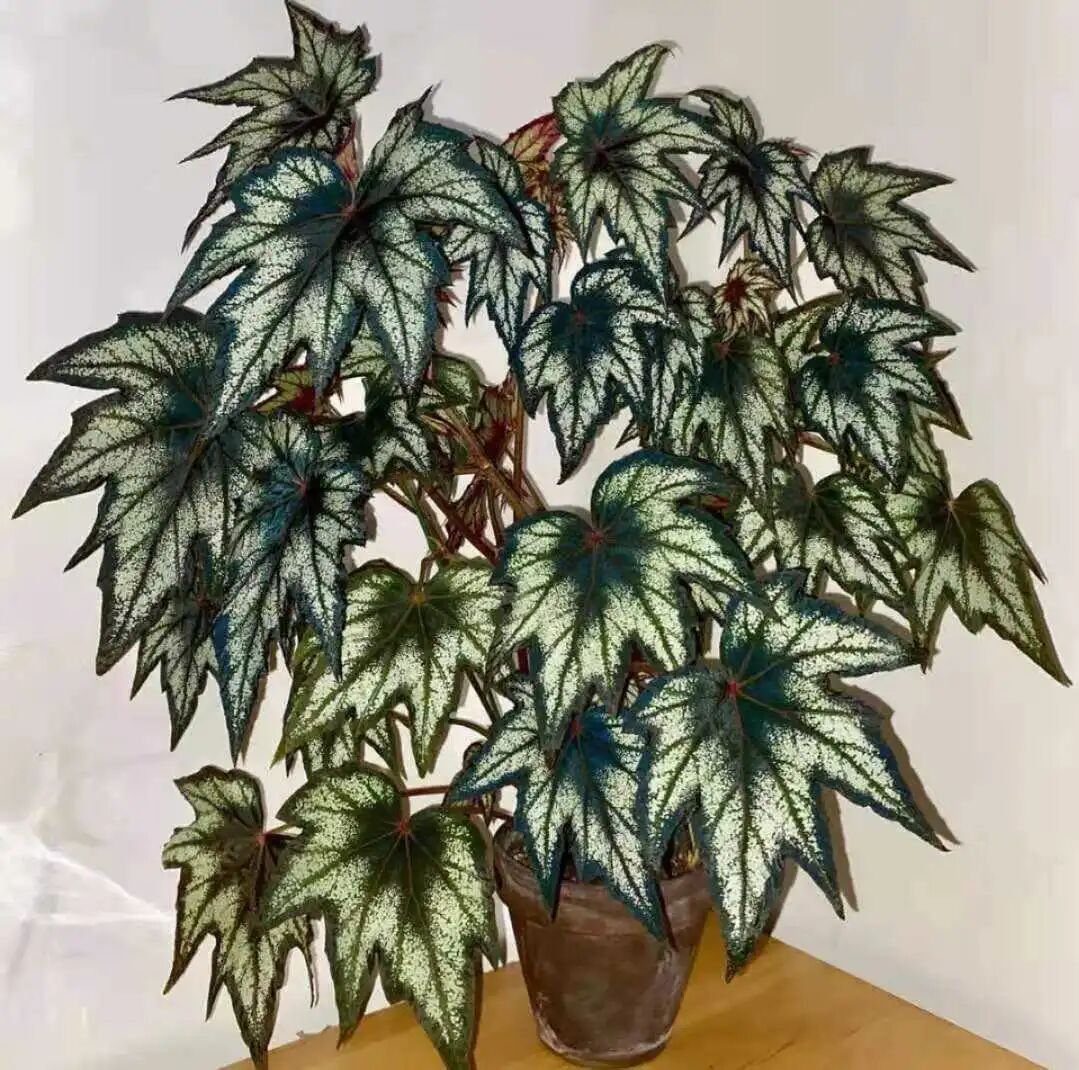
Green bubble begonia
Green bubble begonia is trout autumn A close relative of Begonia, so lovely, it was not artificially cultivated in the later period, but a native Begonia variety. It has dark green leaves with velvet texture, and there are light green round patches of different sizes on the leaves. It looks like small bubbles one by one, so cute that you want to pinch them.
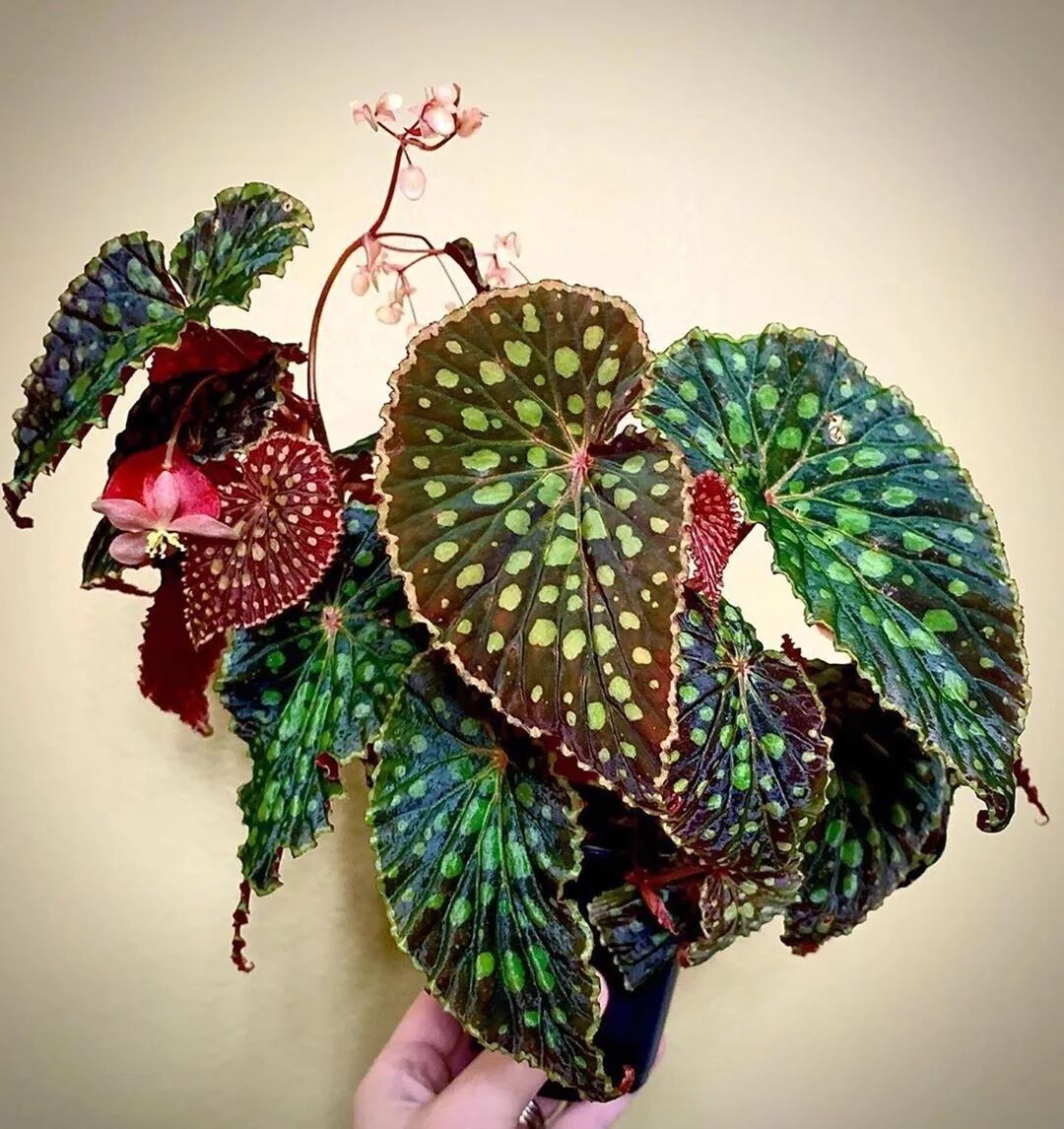
Rong Ruo Begonia
Rong Ruo Begonia has large bronze-green leaves with serrated edges, and pink flowers, which grow rapidly.
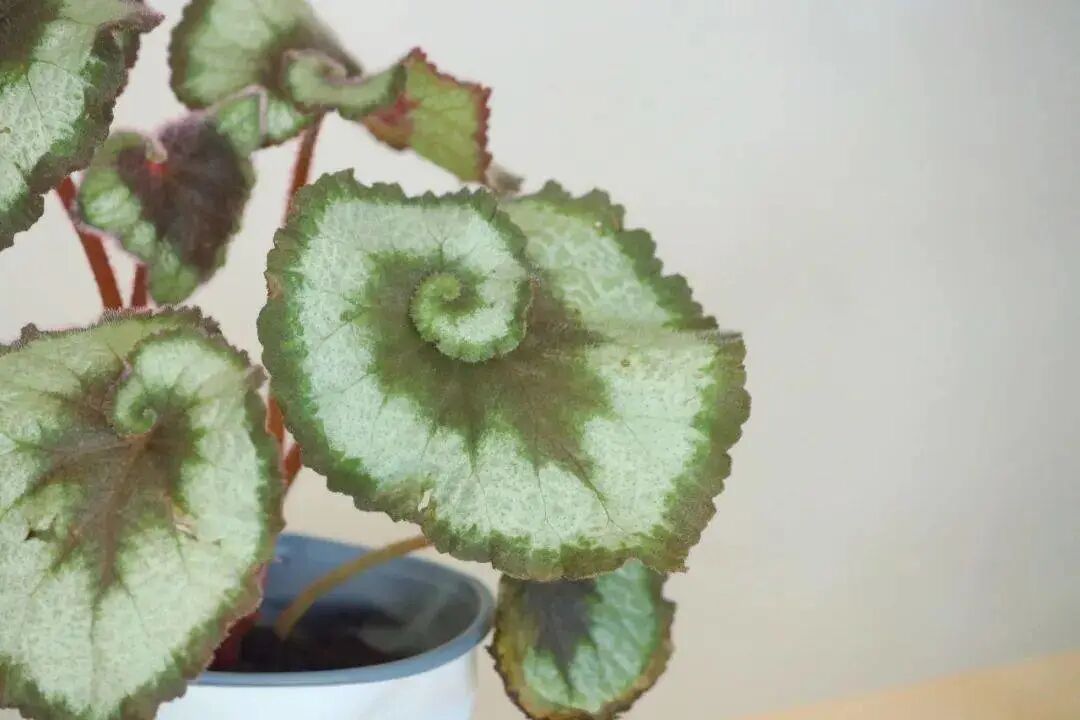
Snail Begonia
Snail Begonia is also called Hanover Princess Begonia in China. Its leaves are unique, covered with fine fluff, and the leaves have spiral markings composed of olive green and silver gray. It looks like snails and is very cute.
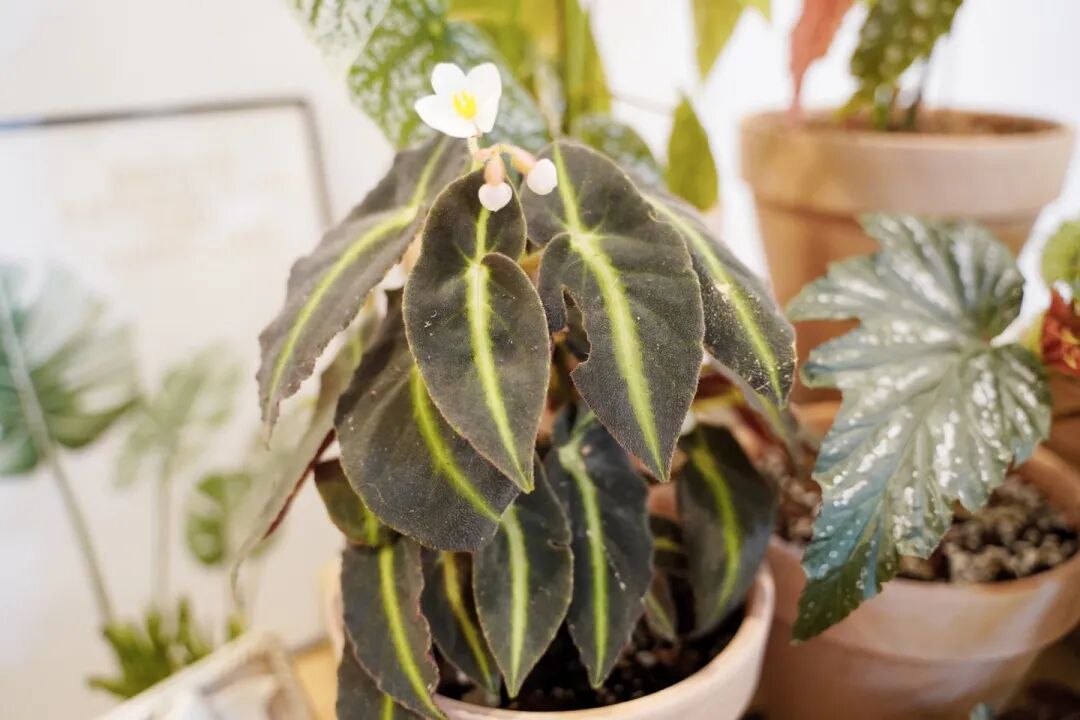
Cat's Eye Begonia
Cat's Eye Begonia has dark green leaves (red on the back) with a striking bright green stripe in the middle of the leaves surrounded by a faint halo effect that looks like a cat's eyes, hence the name. Cat's eye begonia is delicate and picky, growing slowly, so novices should choose it carefully.
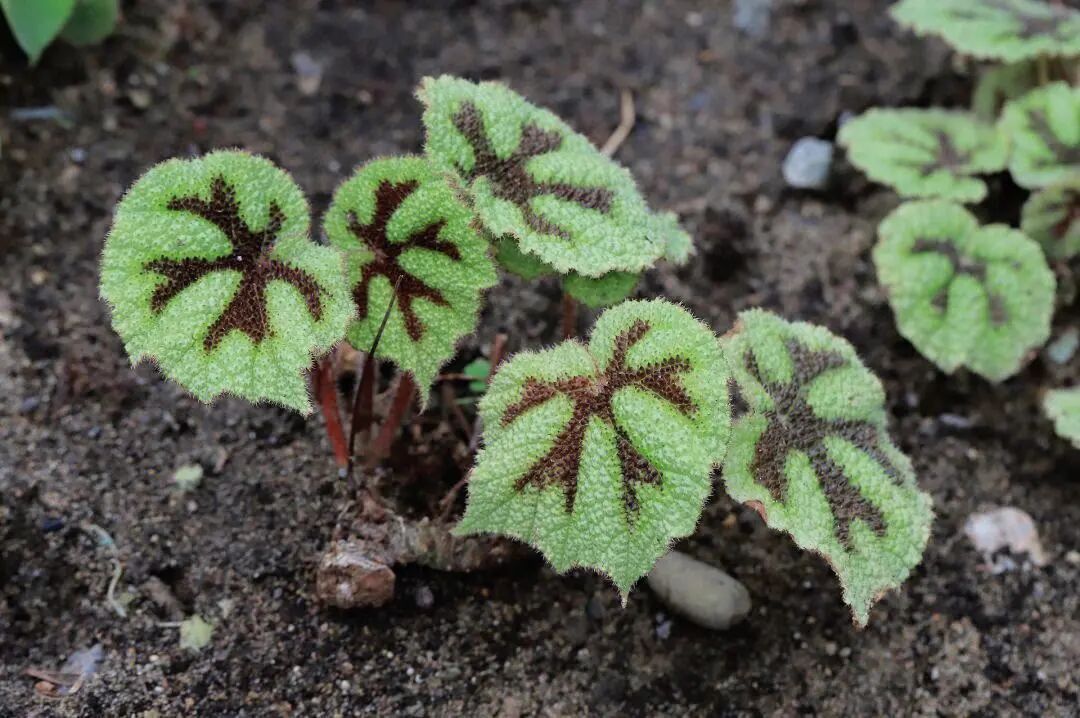
Ironclad Begonia
Iron Begonia, also called Iron Cross Begonia, is a more valuable variety in the begonia family. Its leaves are also furry, with reddish brown on the leaves Cross-shaped pattern, very unique.
Don Miller Begonia
The Tang Miller Begonia is also known as the Flying Snow Begonia. The white spots on its leaves are densely gathered together, as if they were covered with a thin layer of snow. Only the green veins are particularly clear.
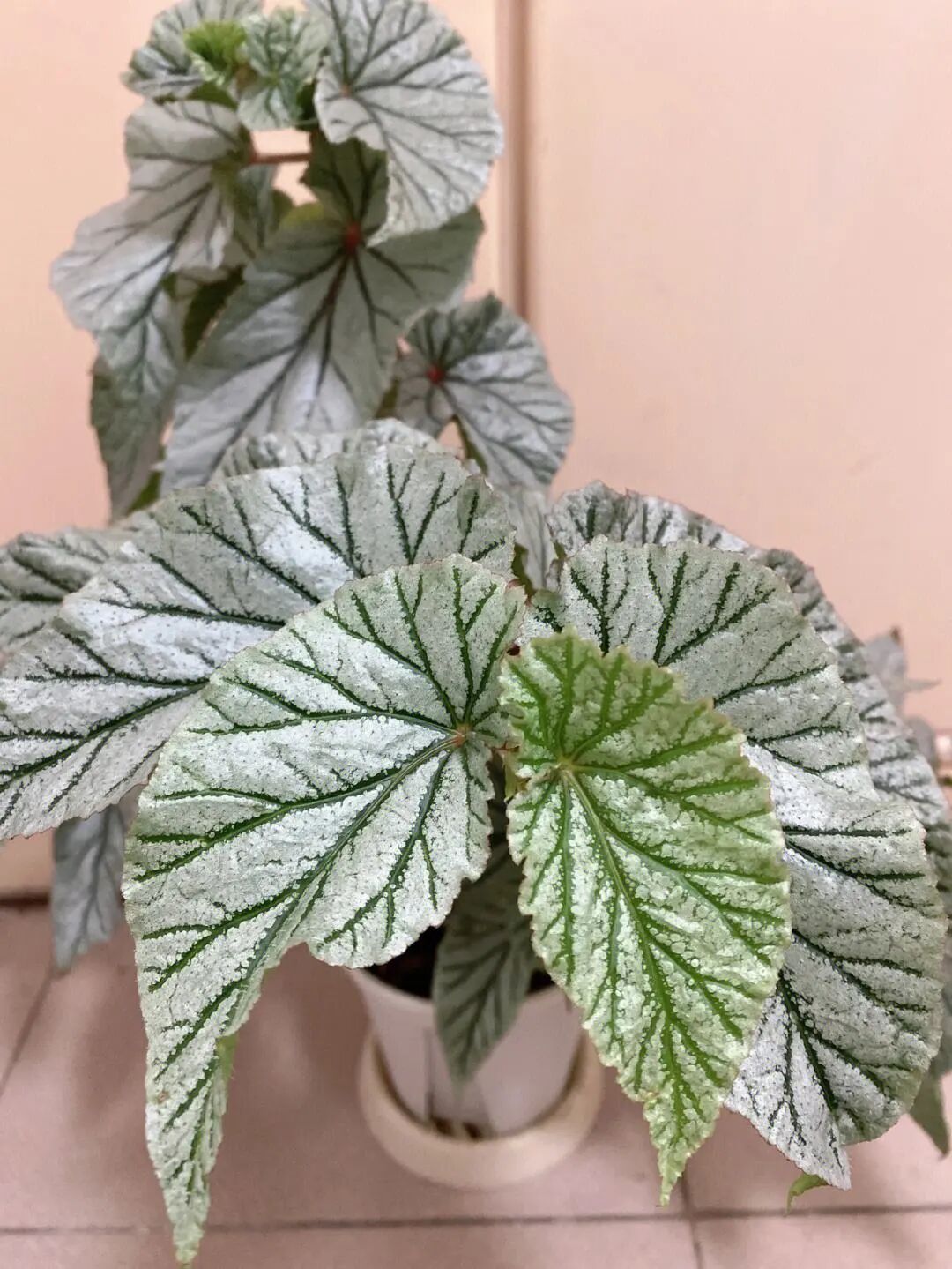
Haiwei Begonia
At first glance, Haiwei Begonia is very similar to Don Miller Begonia, and its leaves also have large white spots. If the leaves of Don Miller Begonia are covered with a thin layer of snow, then the leaves of Haiwei Begonia are like a condensed ice cube, which is harder and has a metallic texture.
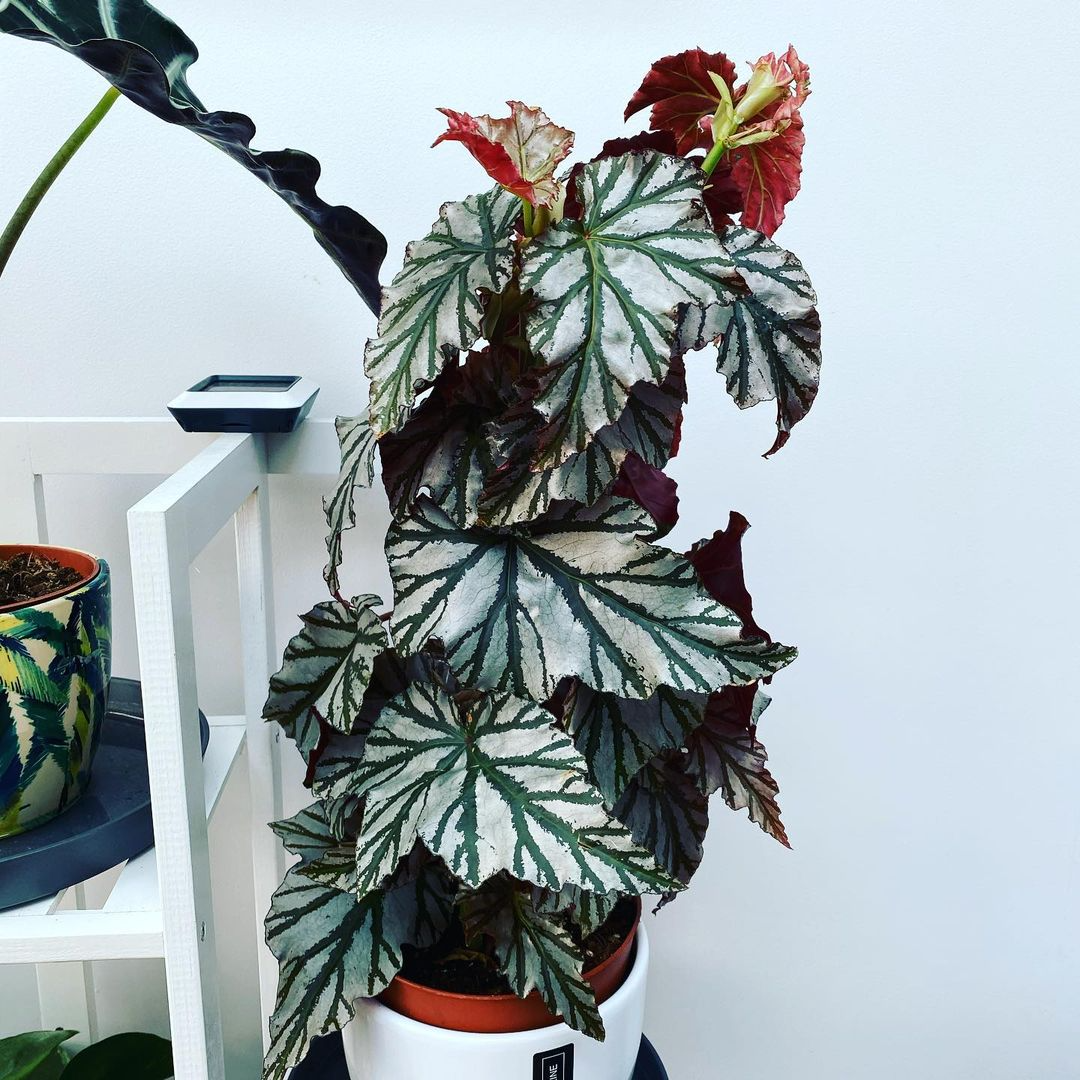
Givenchy Begonia
Givenan Begonia chinensis has dark green leaves (brownish red on the back) with silver markings on the leaves (sometimes pure green leaves).
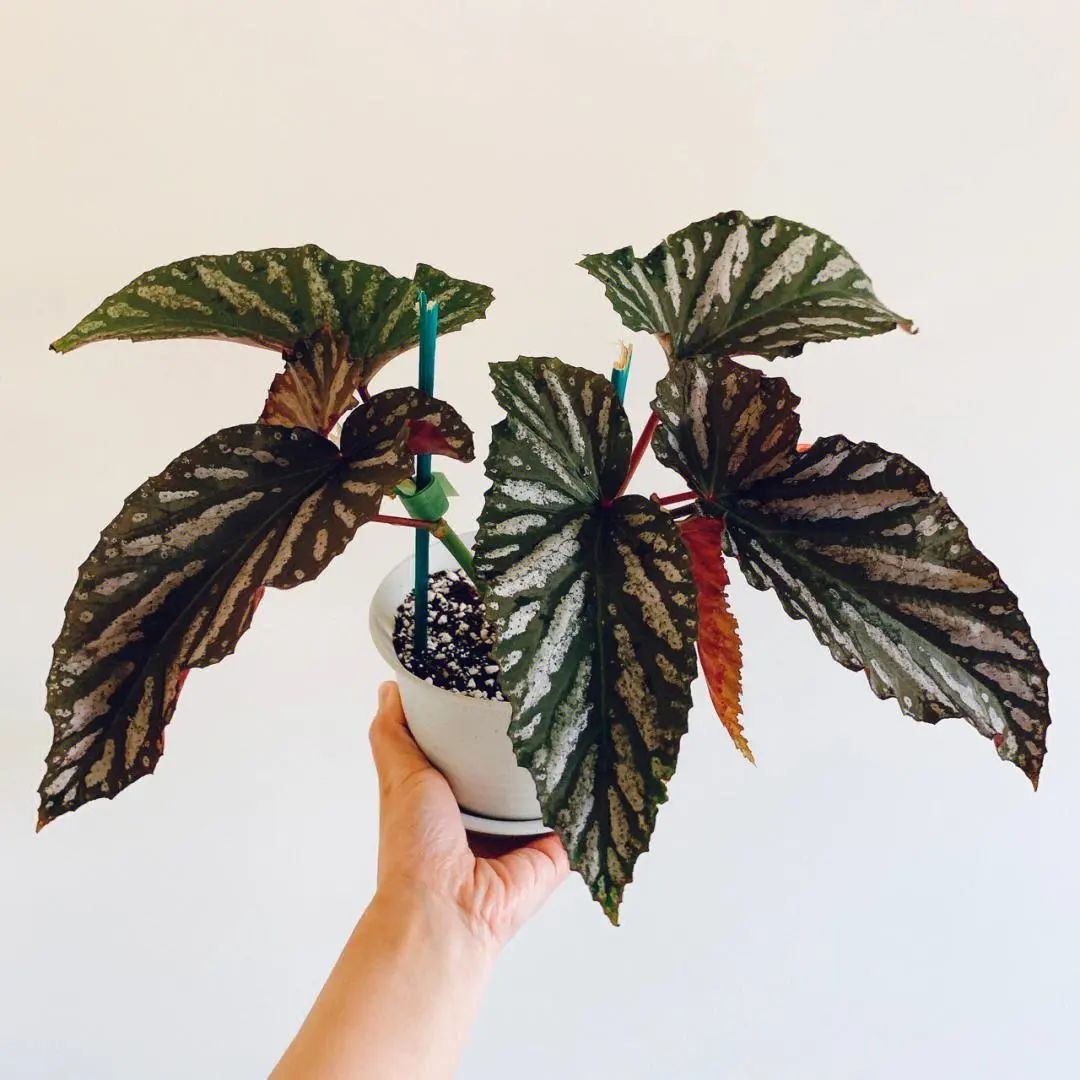
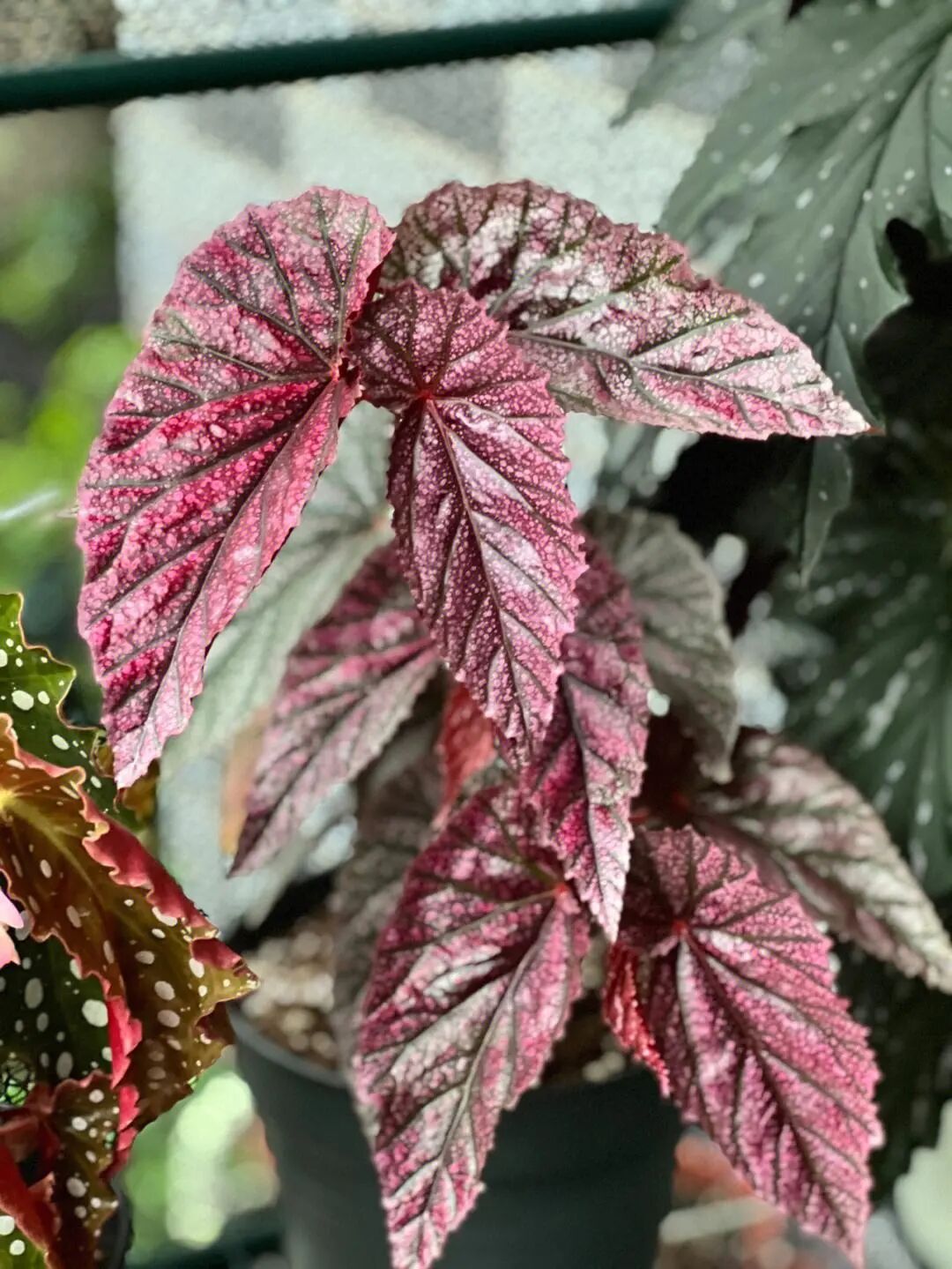
Morris Begonia
Morris begonia has pink leaves with metallic texture, and the leaf color will change with the degree of light. The more light is, the pinker the leaf color will be, but when the light is too strong, it will appear purple.
Thick-walled Begonia
The rhizome of Begonia thick-walled is thick, the leaves are The pieces are huge, spiral-shaped, and the leaves are soft and charming. Its buds are petite, but the floral fragrance is rich and pale pink or pale white.
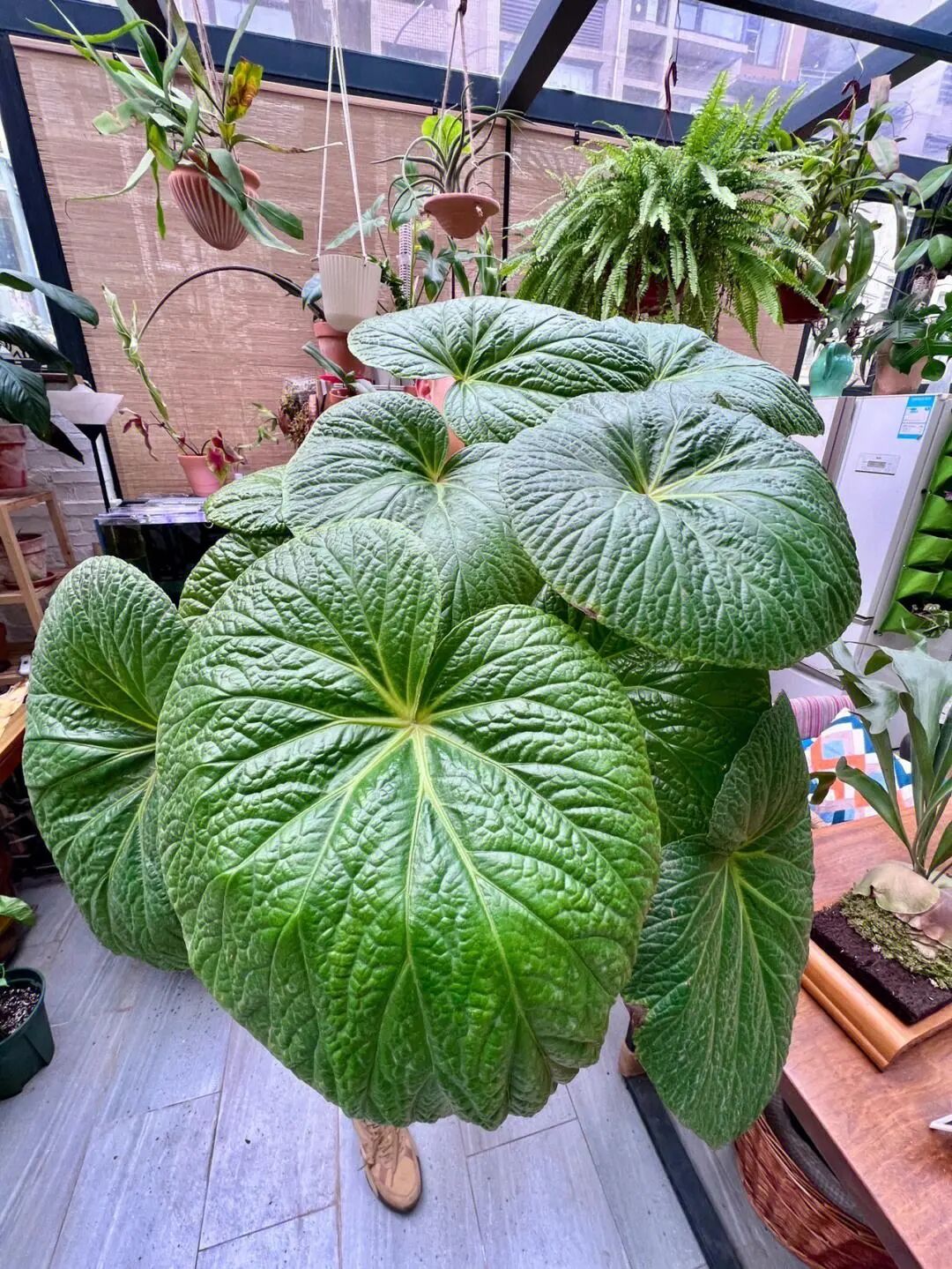
Saury and begonia
Saury begonia is a cluster begonia with narrow and small leaves, which resemble saury in shape. There are conspicuous red wave dots on the leaves and a circle of red wavy edges on the edges of the leaves. Flower lovers who like small begonia should not miss it.
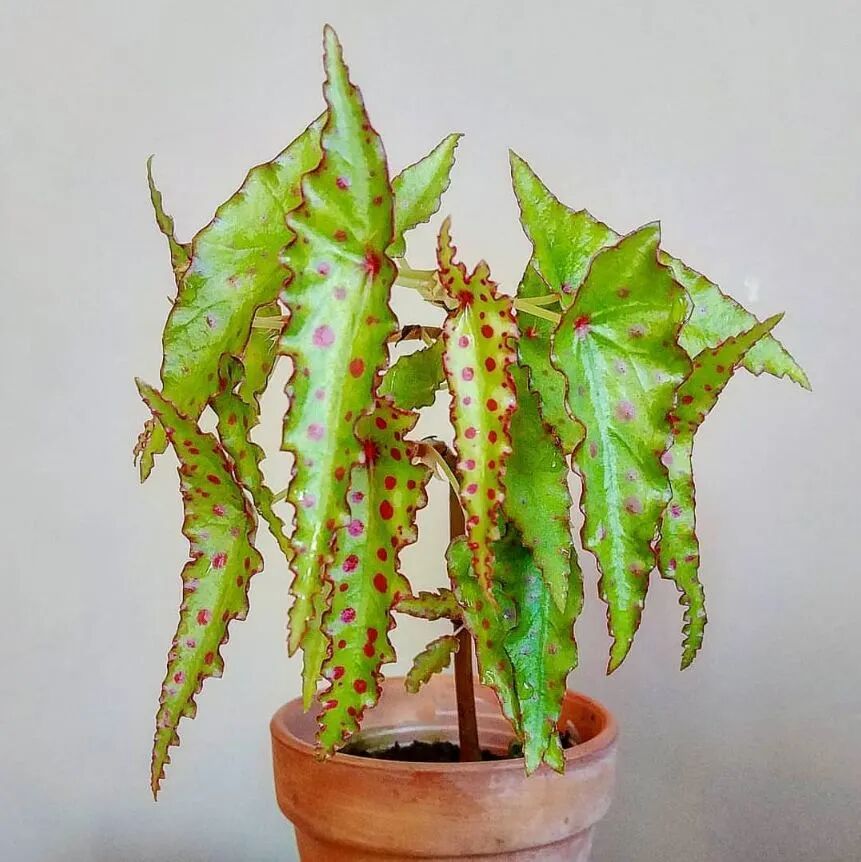
Begonia bicyclopedia
The unique feature of Begonia with two feathers is that Its feathery leaves are both like ferns and corals on land.
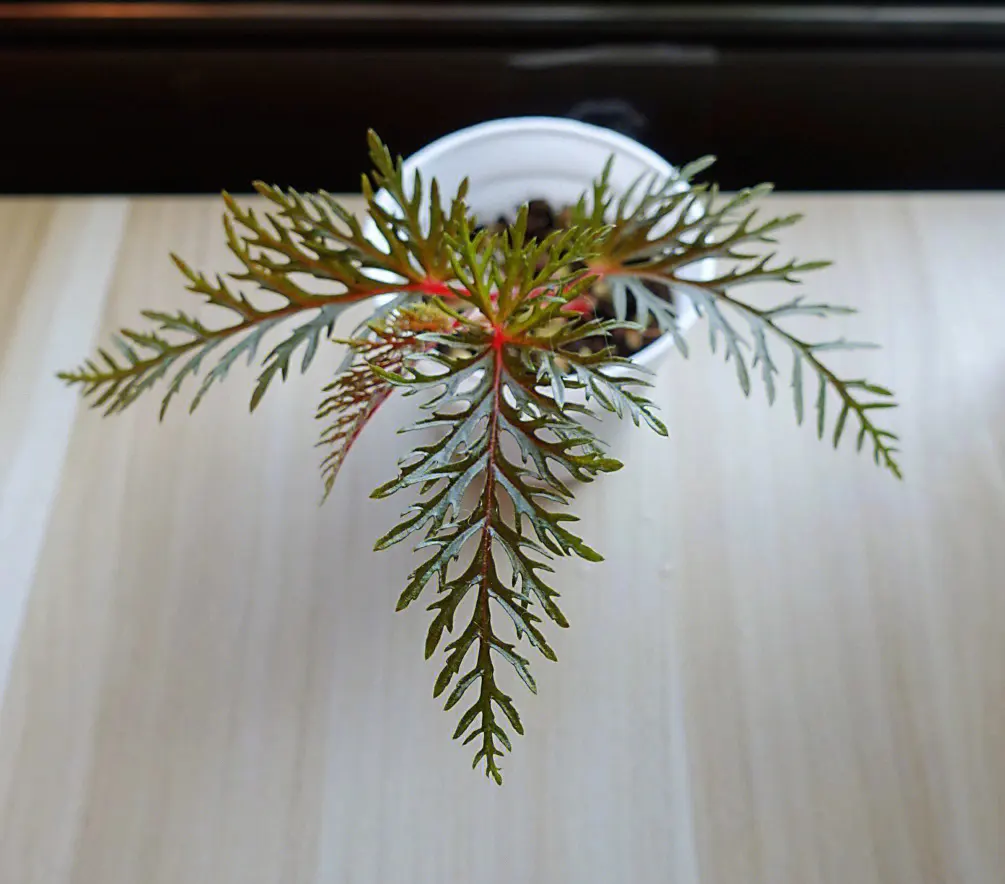
Lanna Begonia
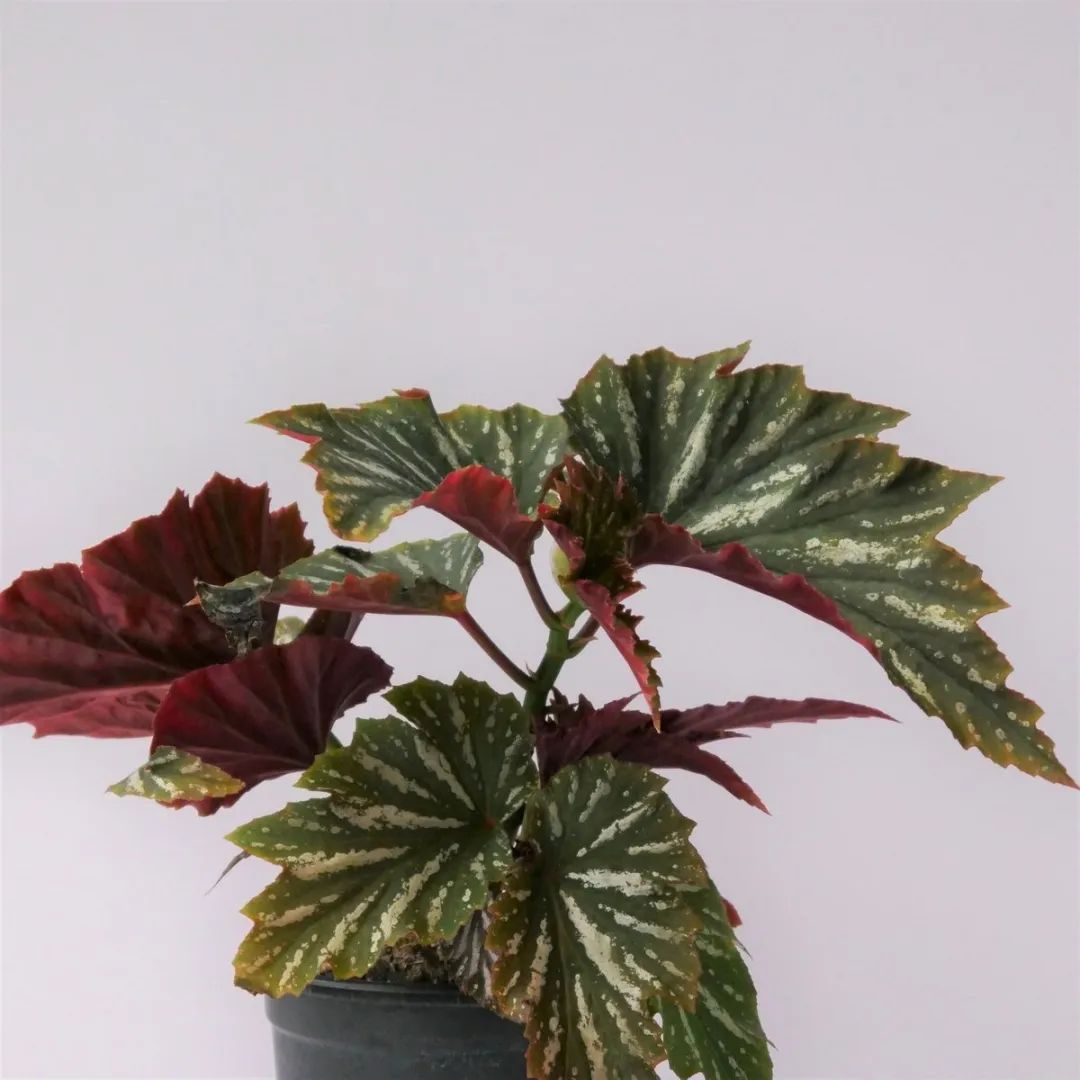
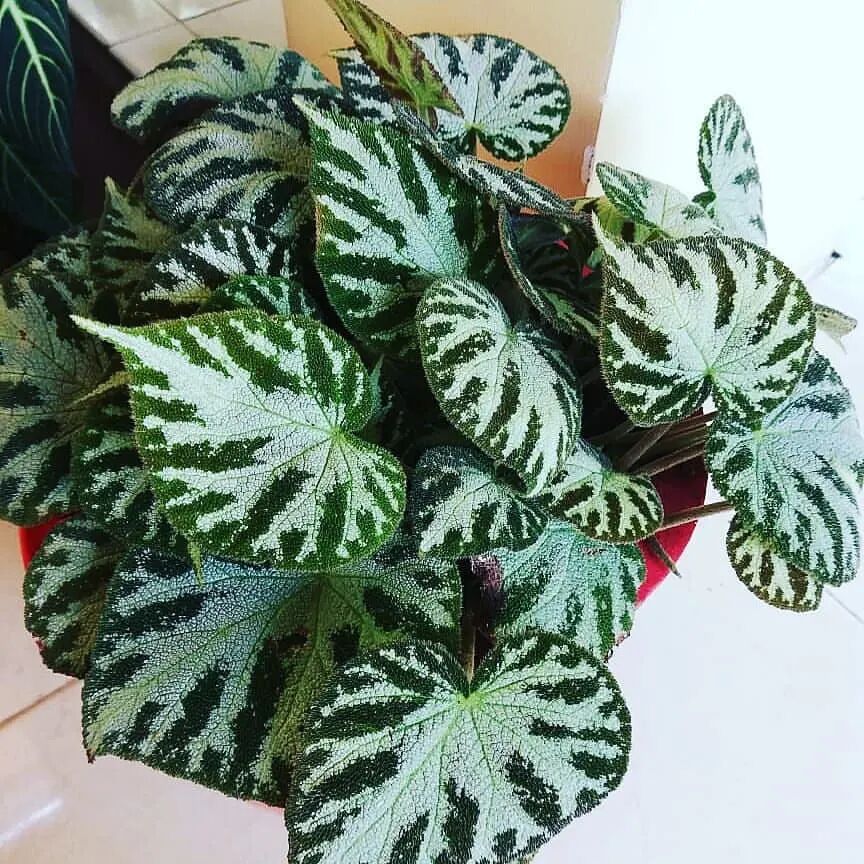
Imperial Autumn Sea Tang
Imperial Autumn Sea Tang's leaves are compact, dark green, with silver lines of different widths. The color contrast is strong, and the leaves also have coarse hairs. Looking around, they look like a beautiful carpet.
Black Peak Begonia
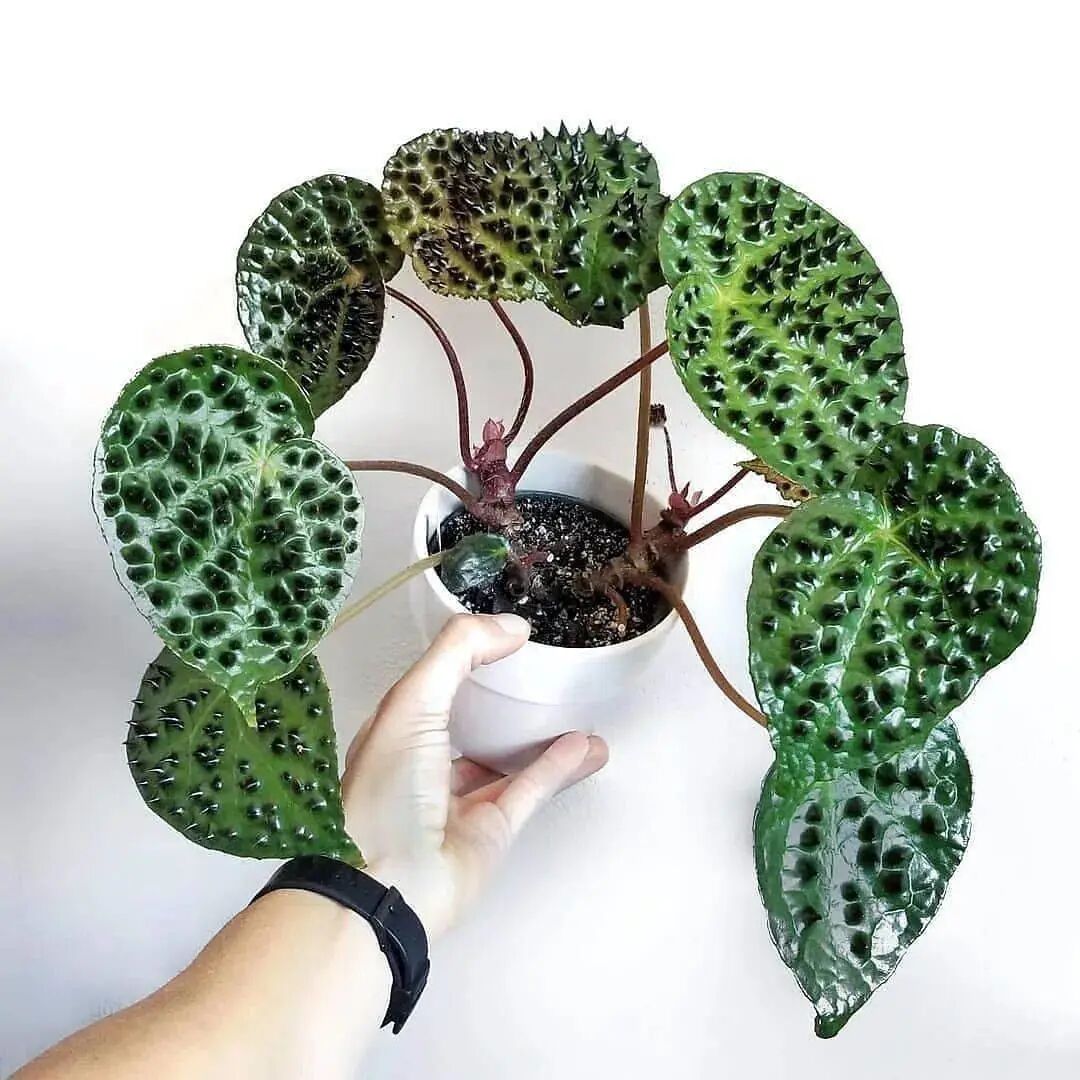
Rohao Begonia
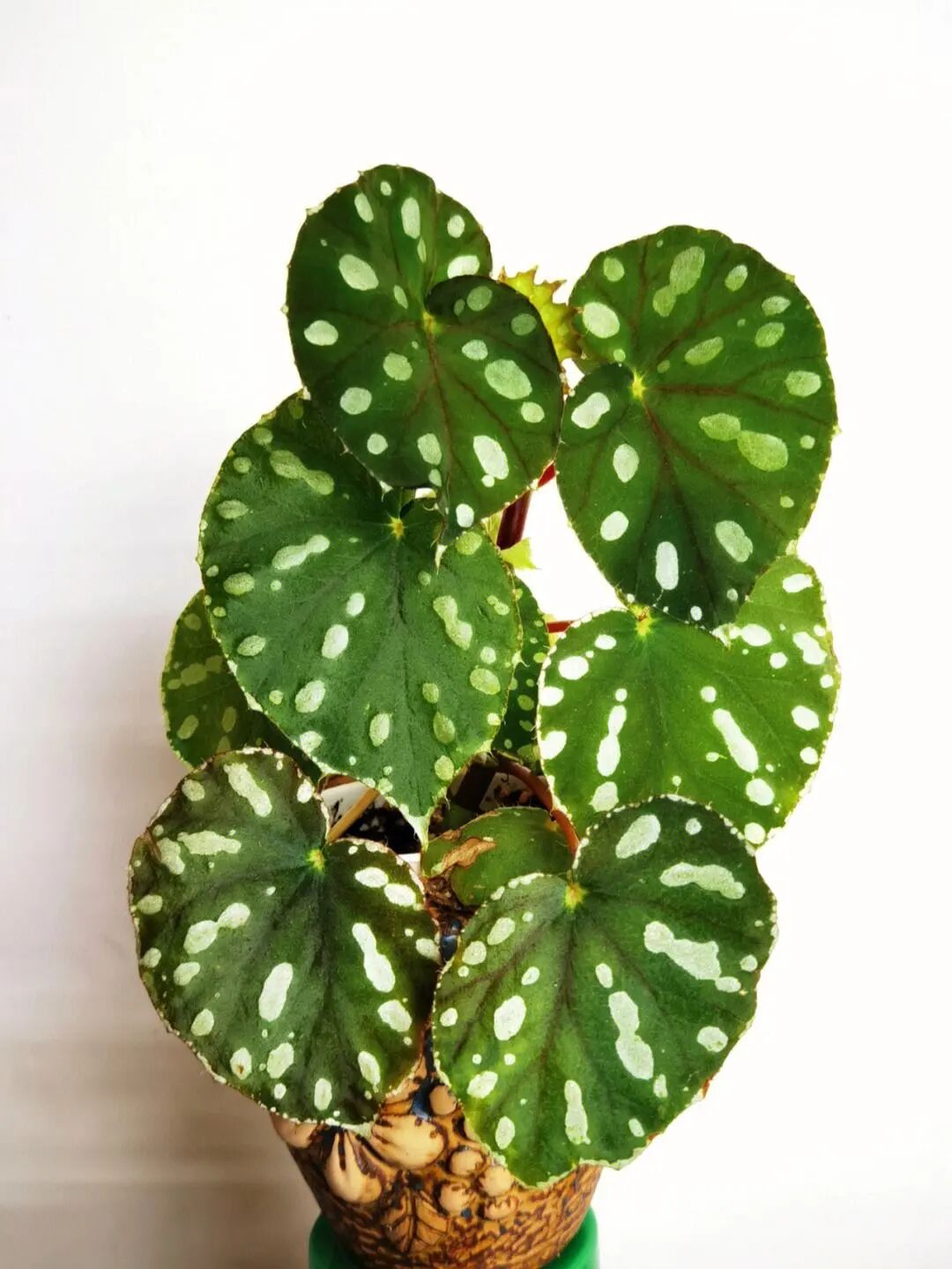
Sun Begonia
The leaves of Begonia solar are heart-shaped, with two masks of hairs, occasionally serrated edges of the leaves, dark green leaves, yellow-white or yellow-green veins, and reddish-brown petioles.
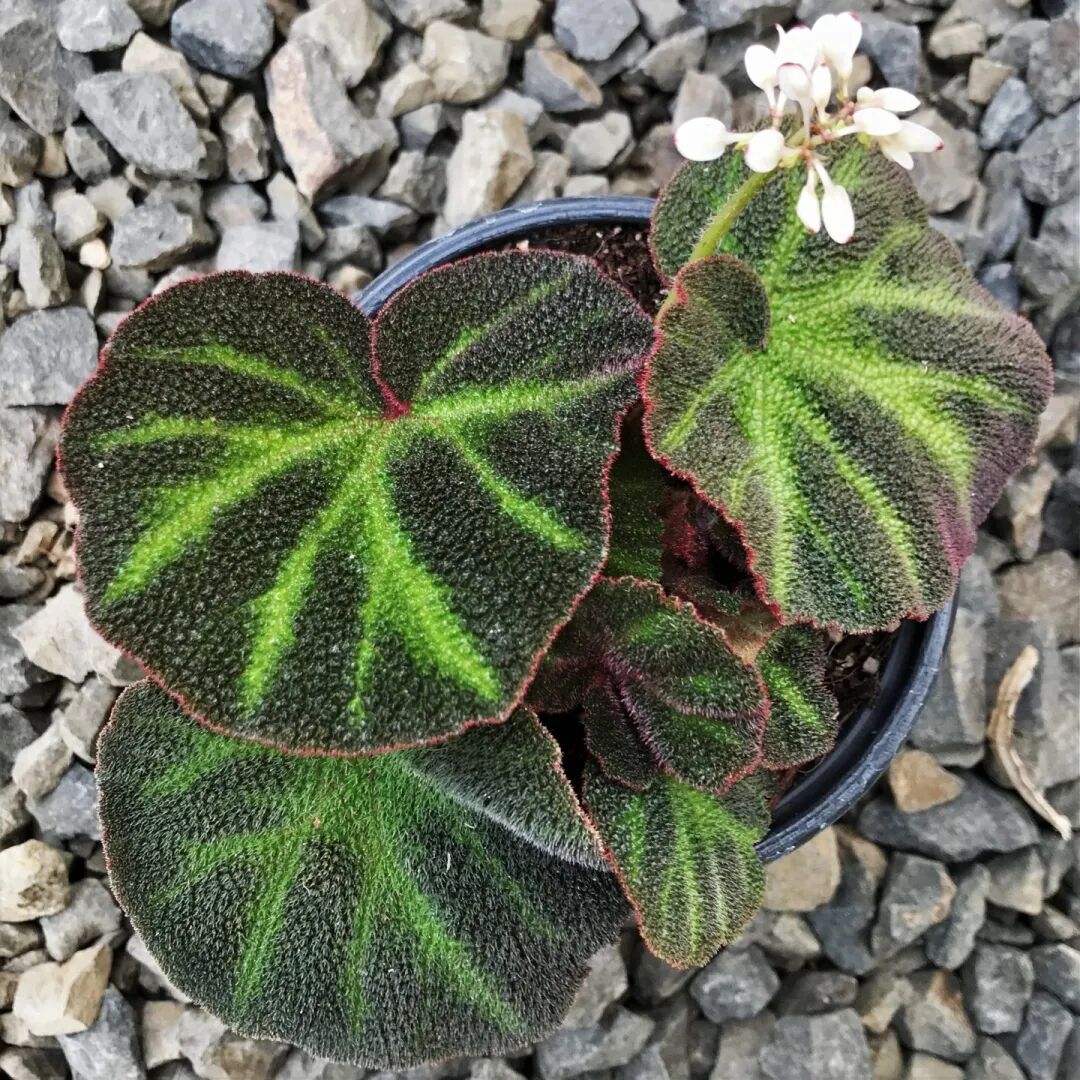
Palm Begonia
Palm begonia is a begonia variety from the Brazilian rainforest, say it is begonia, it is more like a palm tree with very large hand-shaped leaves (over 40 cm long) and very good decorative effects.
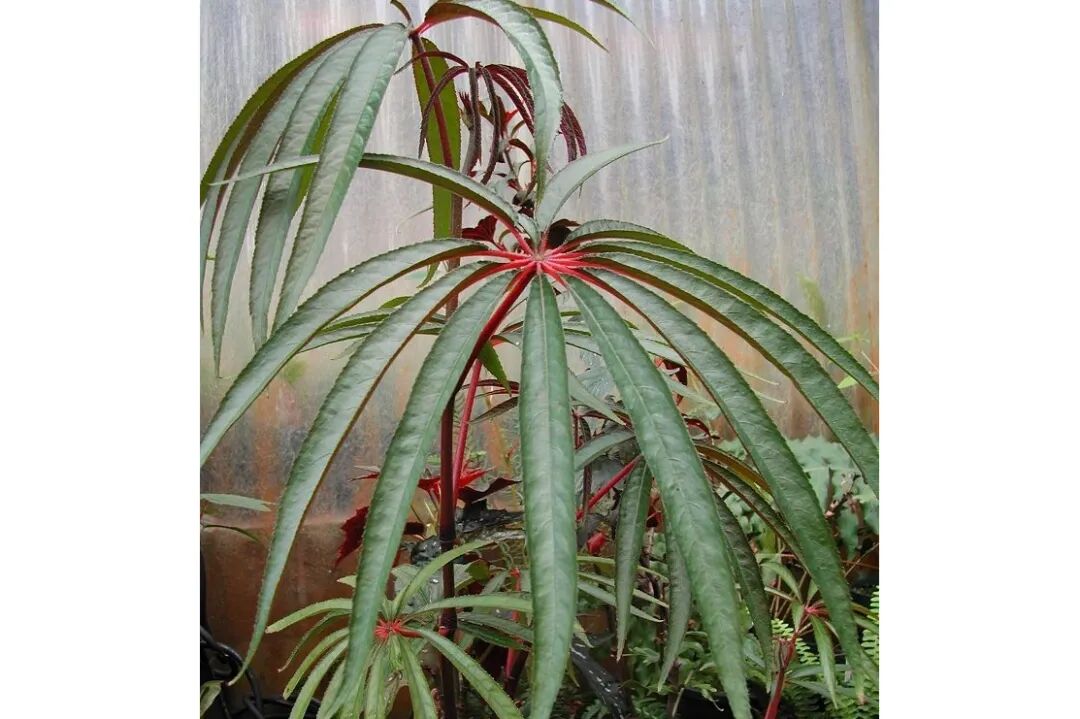
Gripen Begonia
The Gripen Begonia is as its name suggests Domineering, very tall, mature branches can grow to 3 cm in diameter, large leaves (more than 20 cm), shaped like maple leaves, with Silver markings, leaf color is affected by light, showing different colors (under strong light, leaf color is reddish or tan, and under weak light, it is greenish).
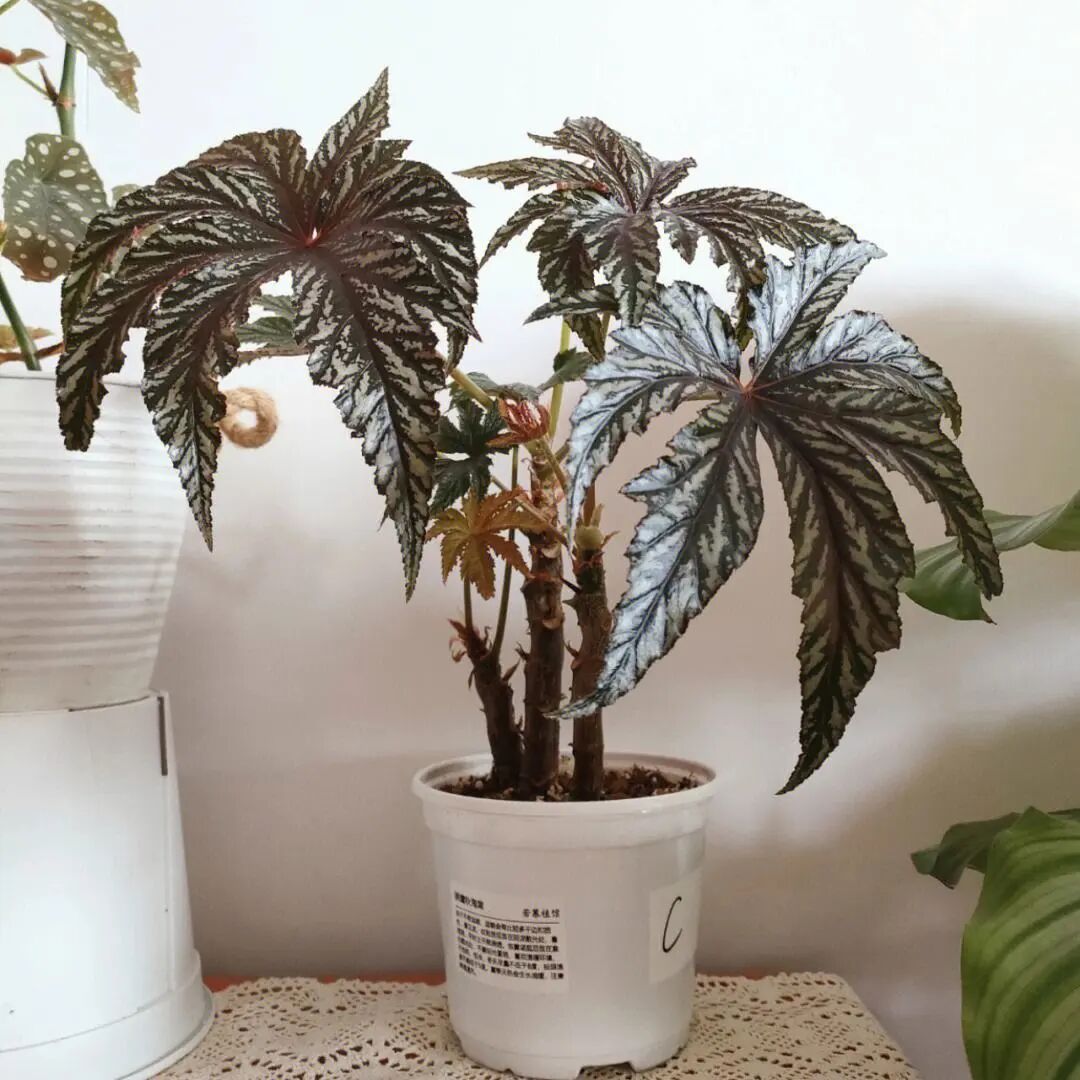
Toad-leaf begonia
Begonia toad leaves are very large (up to 40 cm), shaped like elephant ears, and rich in leaf color: The leaves are dark green, with purple-red veins, often metallic luster, with irregular silvery-white rings.
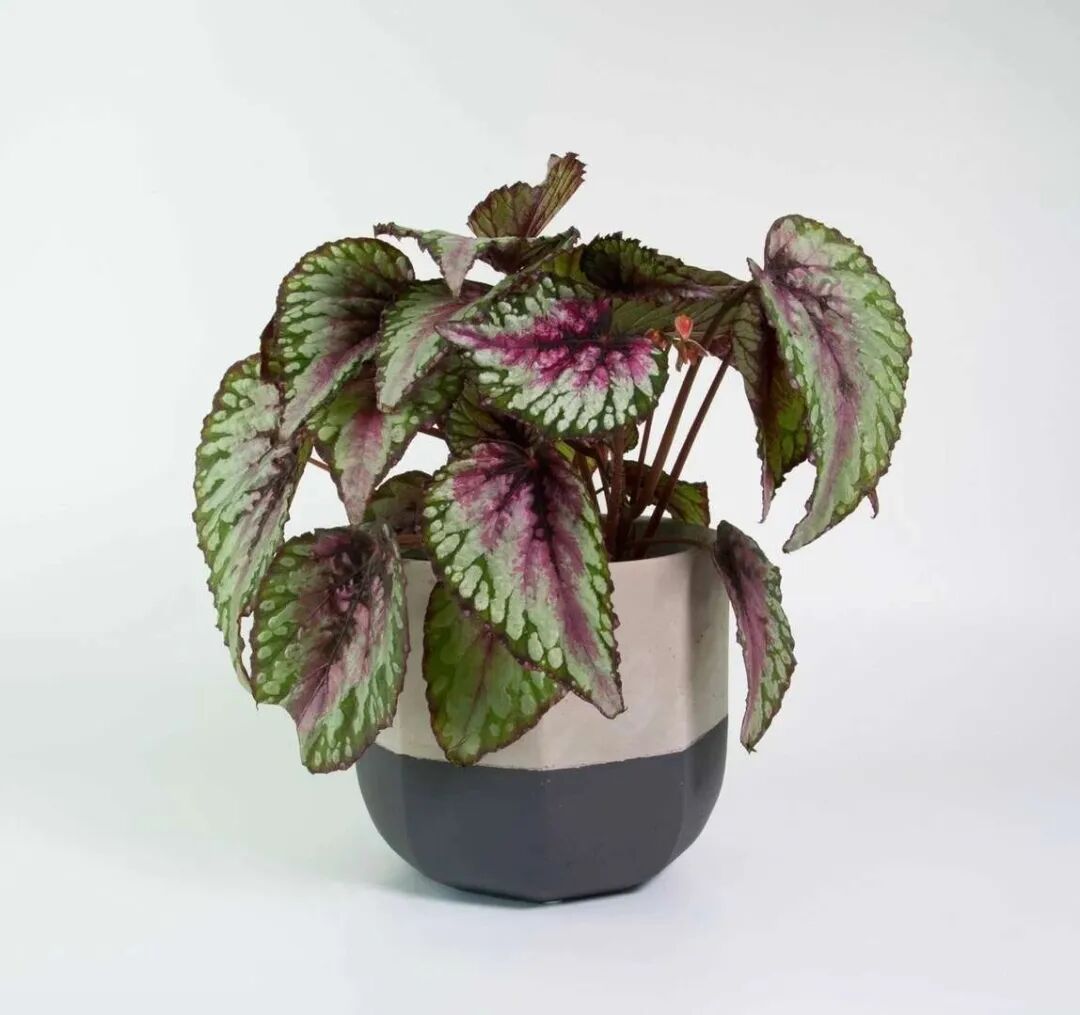
African jungle begonia
The leaves of African bush begonia are variable in shape (asymmetrical oval, heart-shaped and palm-shaped), with white spots and swirling stripes of metallic luster on the leaf surface.
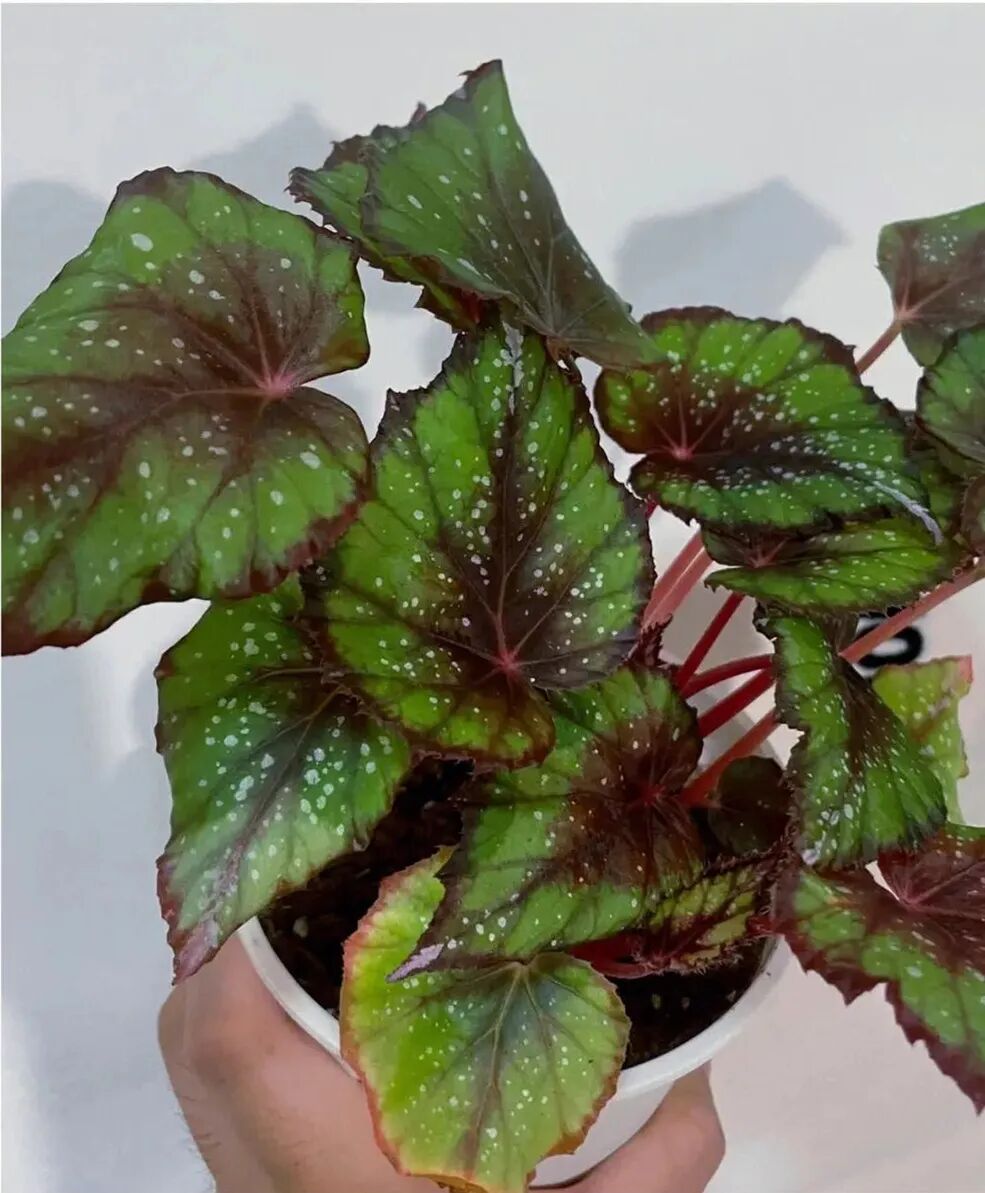
Arabian sunset begonia
The Arabian sunset begonia is as beautiful as its name, Ye The front of the piece is dark black and the back is dark red. Under the sunlight, the leaves give off burgundy luster, and the leaves are a little thorny.
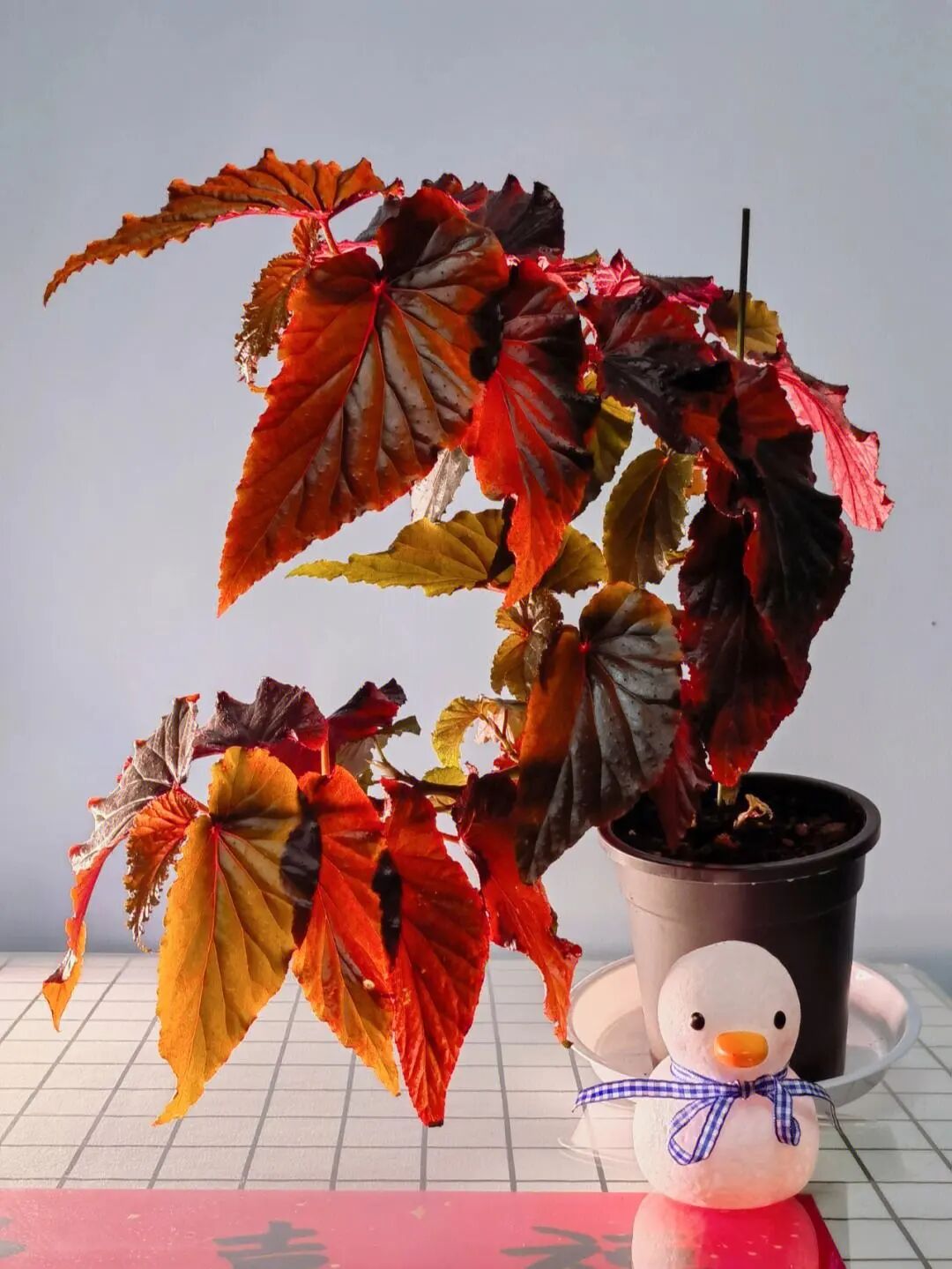
Orange Angel Begonia
Angel Begonia is a very warm begonia variety, with large and plump leaves, dark green leaves with white spots, warm orange-red on the back of the leaves, and orange-yellow flowers.
Discover more articles that might interest you.
Variety Encyclopedia | The introduction of 40 large-flowered rose varieties is here, all of which are big, colorful and full of fragrance, so beautiful
经过长时间的收集,整理出了40个大花月季品种简介,希望是你们想要的。 克劳德莫奈 花径8cm,重瓣(花瓣17-25枚),复色(粉红+黄),中等香,多季节重复开花。植株高约100cm。 特点:非常勤花、耐热,花色丰富多变(花色呈粉红色和黄色条纹相间,温度高时,花色会变淡甚
Variety Encyclopedia | Introduction to 30 clematis varieties (illustrated book), there is always one that will amaze you...
有着“藤本花卉皇后”的美誉的铁线莲,因花大、花量大、花色鲜艳、易种植等特性,成为三大入坑花卉之一…… 这期,将为大家作铁线莲品种介绍, 总有一款惊艳你的时光! 约瑟芬 单瓣, 白色花瓣上带有粉红色的条纹
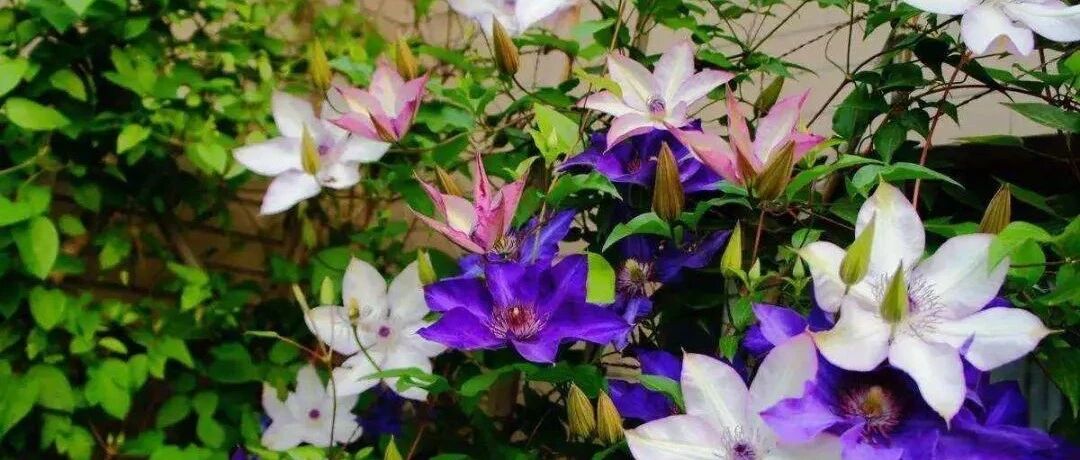
Variety Encyclopedia Introduction to 30 Clematis Varieties II (with pictures and texts), all of which are uncommon varieties. How many have you seen?
本期继续为大家介绍铁线莲品种,这期品种不常见但却很美哦……你见过几种呢? 春姬 重瓣,花色粉嫩,十分治愈。新老枝都能开花(4-5月老枝条集中开花、8-10月新枝条开花)。 花径:10-12cm 花期:4-5、8-10月 修剪方式
Important Note
The information provided in this article is for educational purposes only and should not replace professional gardening advice. Always consider your local climate and soil conditions, and consult with a horticulturist for personalized recommendations.