What is most important today? Health, of course.
In this issue, we recommend 30 vegetables suitable for balcony planting (all of them are relatively easy to grow). I hope everyone can eat their own green organic vegetables to help their health!
Lettuce, making money, do you think it is particularly meaningful? When growing vegetables on the balcony, lettuce is the first choice, because lettuce is delicious and easy to grow (sow seeds, germinate in 3-5 days, and you can pick them in about a month), and there are basically no pests and diseases.
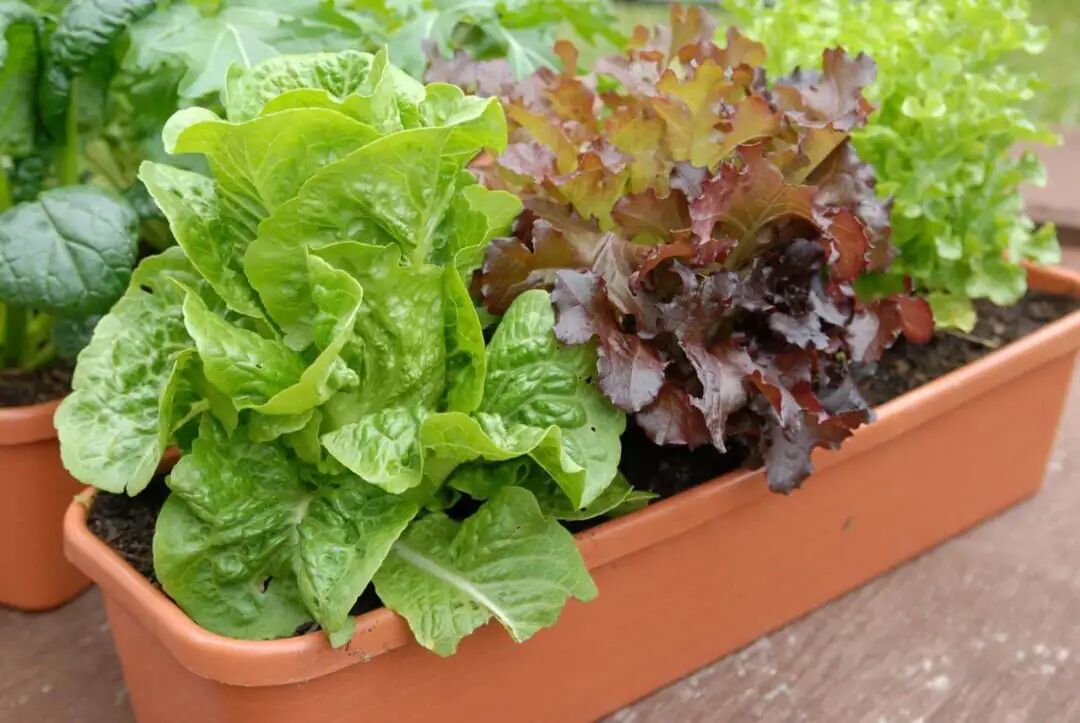
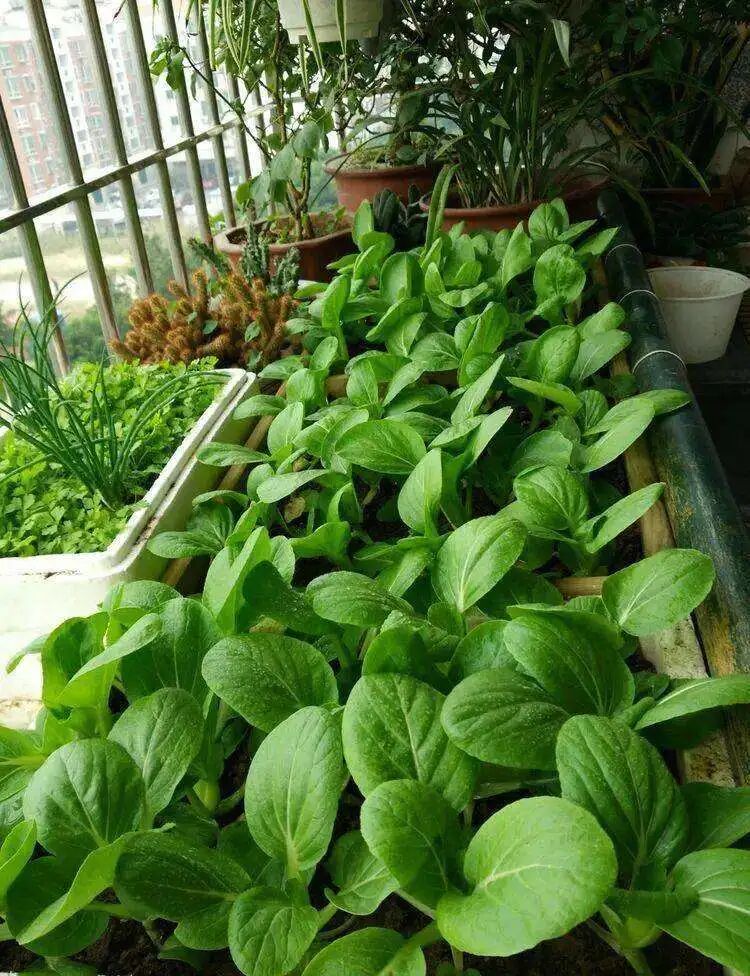
Besides planting lettuce on the balcony, pakchoi is also a very good choice. It takes almost a month from sowing to harvesting (all vegetables that can be planted while harvesting). Planting is also very simple, and it can also be planted on the north balcony where the light is not particularly sufficient.
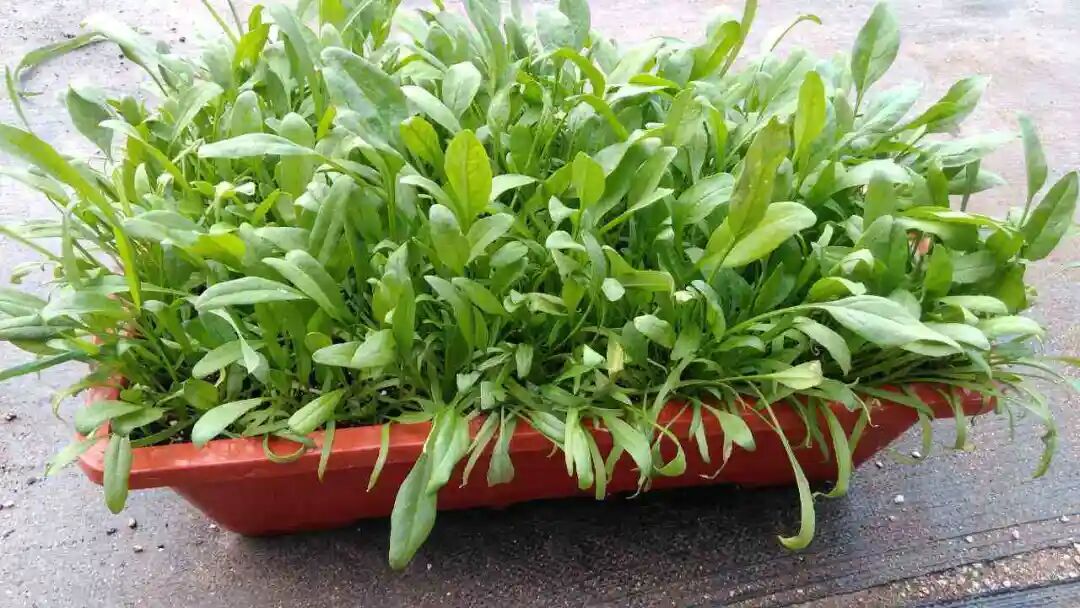
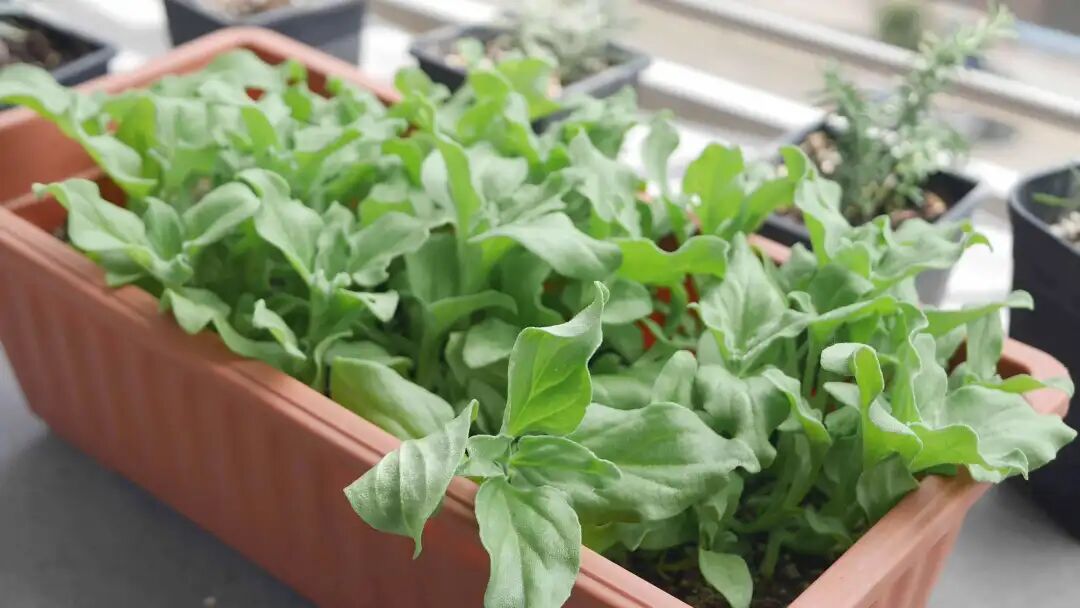
Spinach is rich in nutrition, rich in calcium and iron, and has a smooth taste. It is a vegetable that the elderly and children at home like. Generally, when the temperature is 15-30 degrees, it is suitable for sowing spinach. Generally, seedlings will emerge in about a week, and they can be picked in no more than a month.
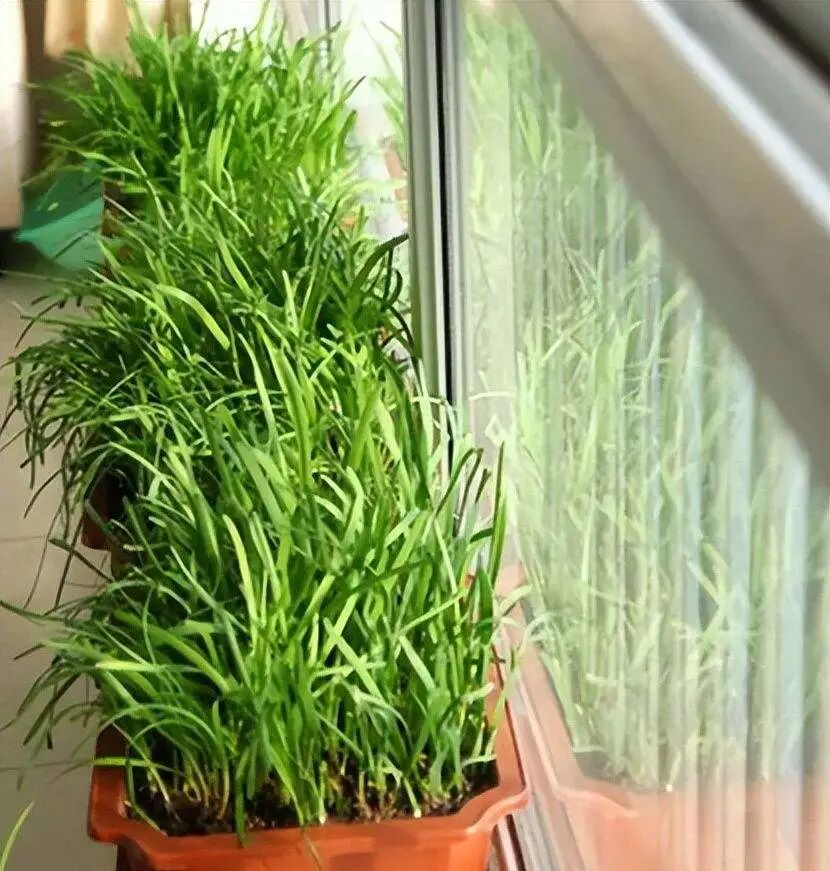
I have to say that leek is a vegetable worth growing, because it is a perennial plant. You only need to plant it once, and you can cut leeks all the year round. Moreover, the planting of leeks is also very simple. If you bury the roots of the old temple in the pot soil, you can grow green leek buds in about a week, and you can harvest them in about half a month. After that, you can harvest them every half month. It feels inexhaustible, and the leek flowers are beautiful and delicious.
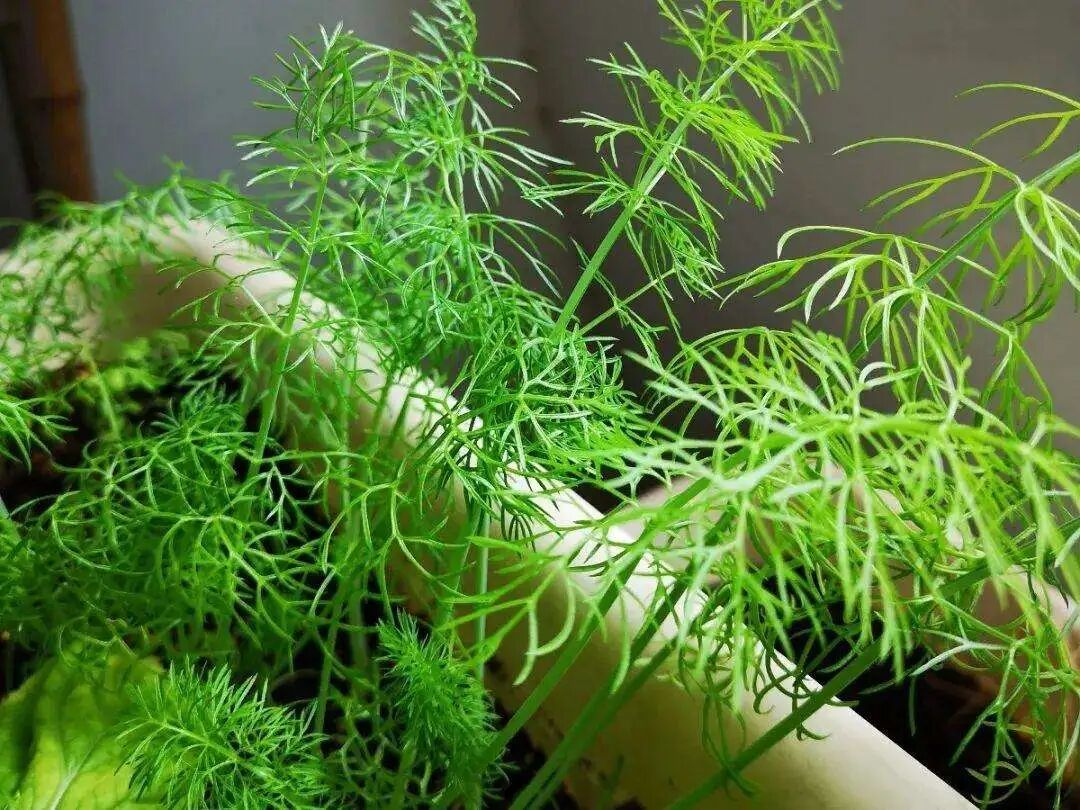
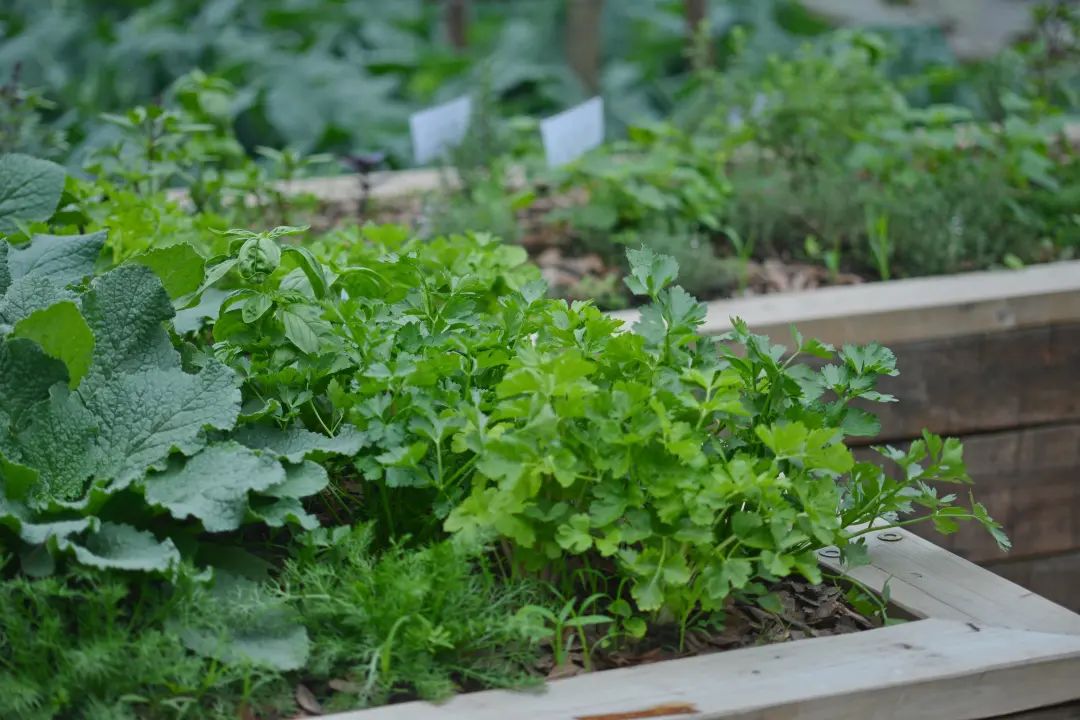
Fennel, also known as cumin, is a perfect match with oily vegetables and broad beans. Let's also classify it as a seasoning vegetable for the time being, but personally, I think it is a very valuable vegetable. Don't say much, just look at the picture.
After sowing, fennel can usually be picked in two months. As long as it is not cut too hard, it can also be cut indefinitely like leeks.
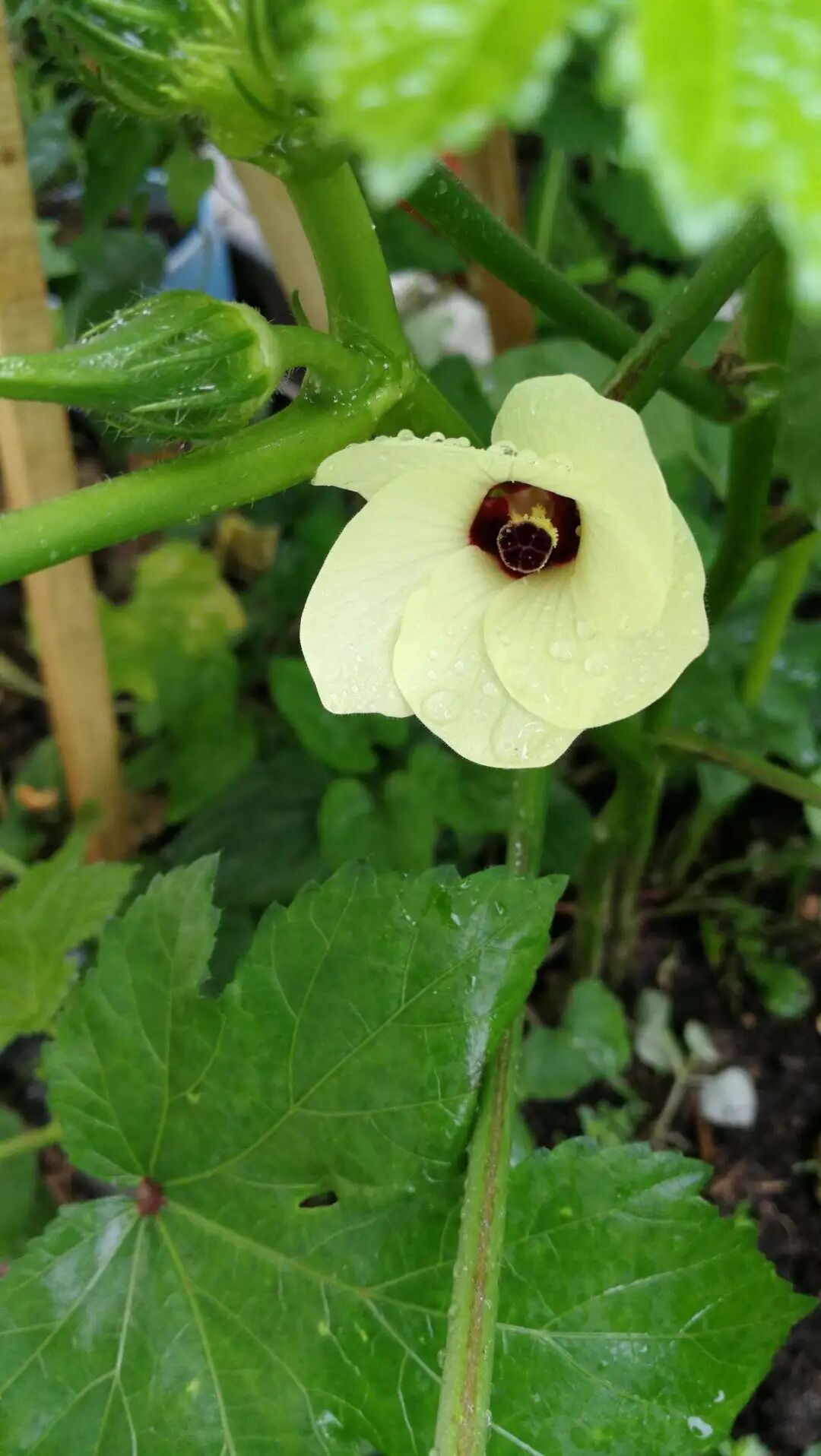
If you are a vegetable lover with face value control, it is also recommended that you plant okra. Okra has been hot for a period of time, because it is really delicious, has high nutritional value (limited space, interested friends can come down to consult the information), has beautiful flowers and has a high fruit rate. At present, there are mainly red okra and yellow okra (actually green) on the market. Which one do you like?
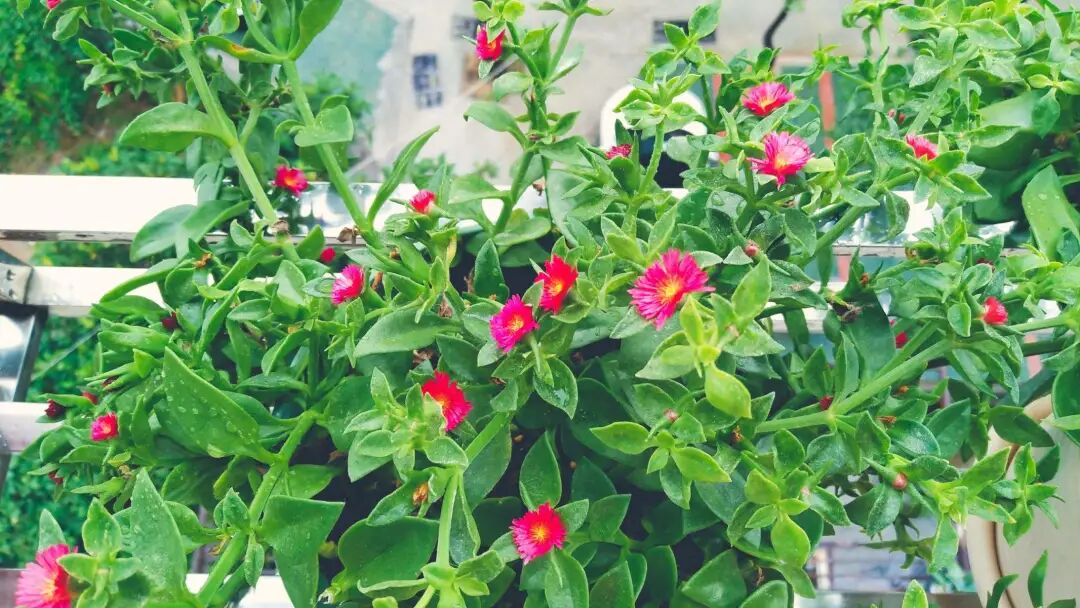
If you still feel that okra is not valuable enough, then have another pot of peony spider plant. The plant is fleshy, green all seasons, and it is simply not too eye-catching with rose-red flowers. Scattered light can meet its growth needs! Most friends grow Chlorophytum peony as a flower. In fact, it also has good edible value (the tender leaves can be stir-fried or cold salad). Generally, it can be inserted by pinching a branch, and the growth rate is fast, especially in summer.
There is no doubt about the beauty of Epiphyllum, and you can taste the sweetness of Epiphyllum Have you tried it? Stir-fried Tan Flowers are also delicious!  The tender dishes that have to be mentioned are tofu vegetables (also called auricularia auricula). The leaves are green and thick, and the taste is so smooth that you almost think you have eaten a bite of collagen (both leaves and tender shoots can be edible), and it has high ornamental value.
Another important point is that tofu dishes prefer shade, and scattered light can grow normally.
The tender dishes that have to be mentioned are tofu vegetables (also called auricularia auricula). The leaves are green and thick, and the taste is so smooth that you almost think you have eaten a bite of collagen (both leaves and tender shoots can be edible), and it has high ornamental value.
Another important point is that tofu dishes prefer shade, and scattered light can grow normally.
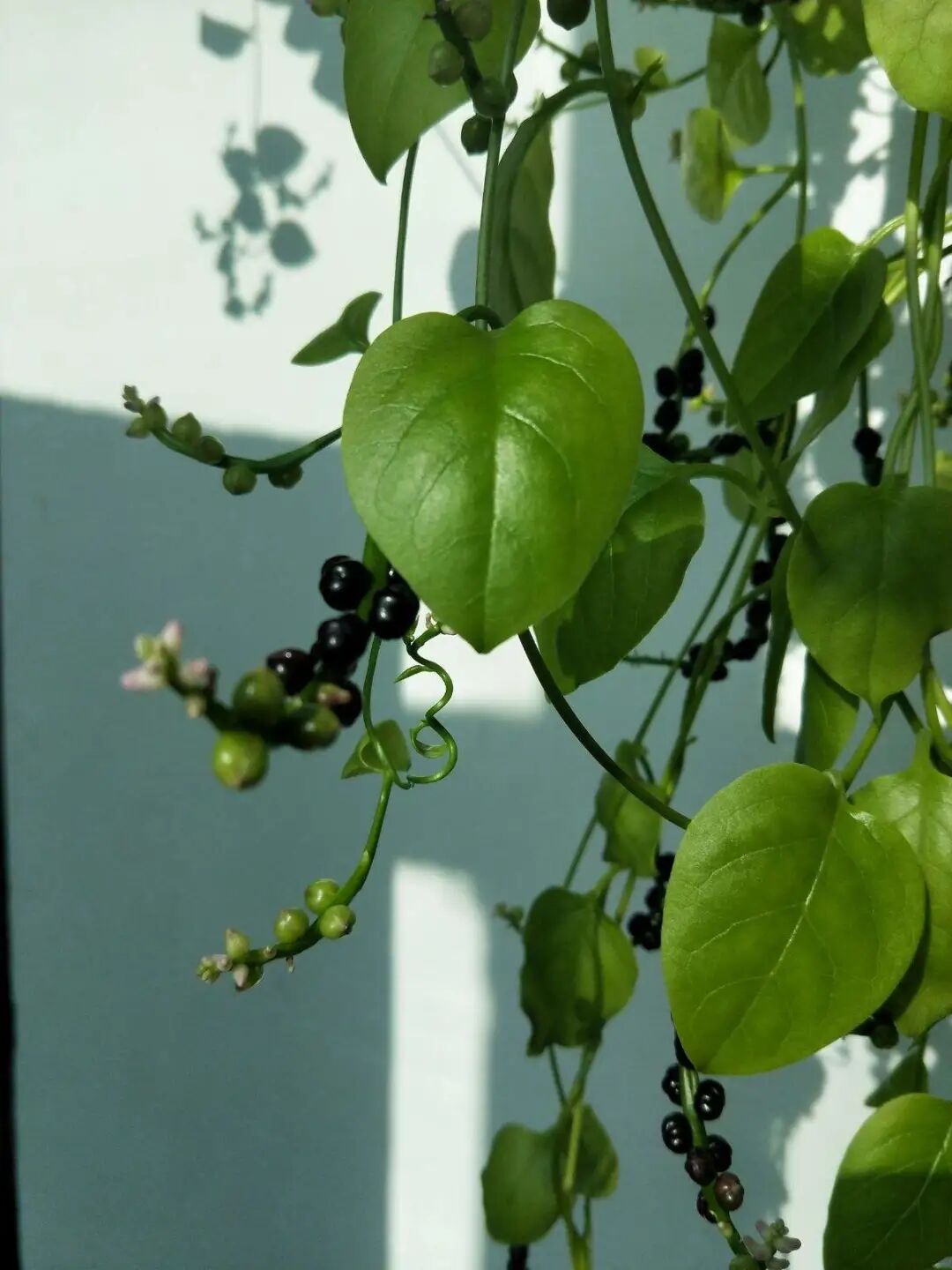
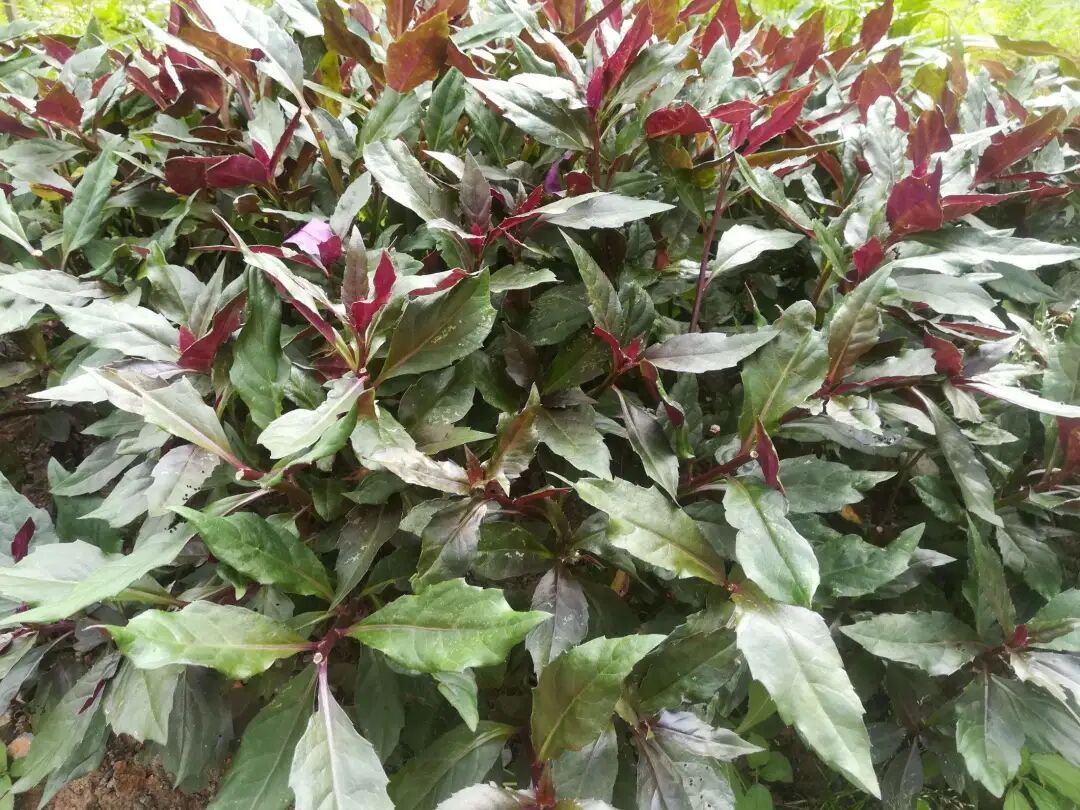
If you are still color control, then I recommend blood-skin vegetables for you, the whole plant is purple, the growth rate is also fast, and the buds are tender It is a good product for stir-fried and cold salad.
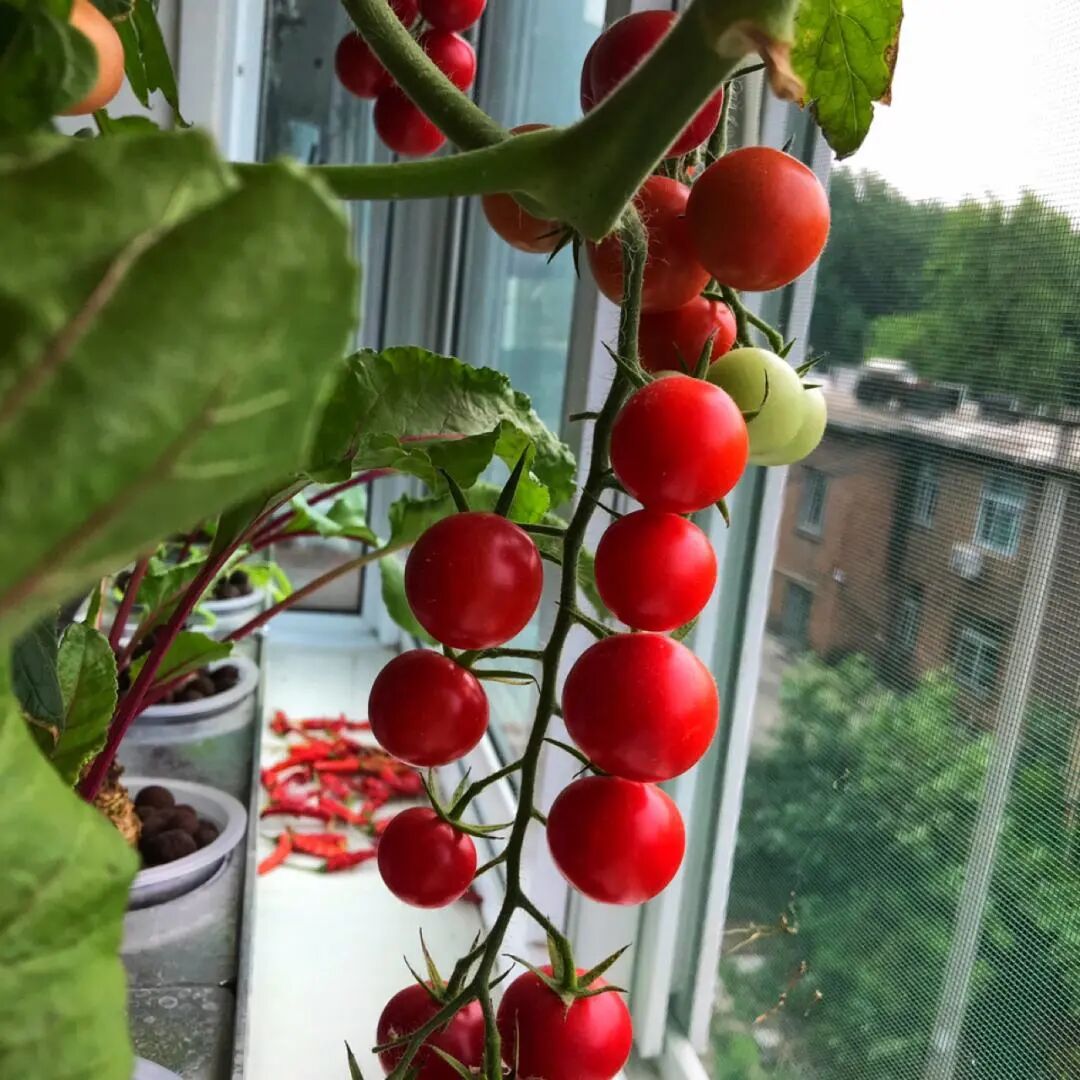
It is strongly recommended that beautiful sisters plant one or more trees, which is magical for whitening. It can be eaten not only as vegetables, but also as fruits. A red bunch has a decorative effect, and it can generally be harvested in winter (planting in spring).
It is recommended to plant only one tomato seedling in a flower pot (generally use a flower pot with a diameter of 20-30 cm). If you want to plant multiple tomatoes, it is recommended that each tomato be 30-40 cm apart. Remember to set up a shelf for them.
Special reminder: Immature tomatoes have toxins, so don't be greedy.
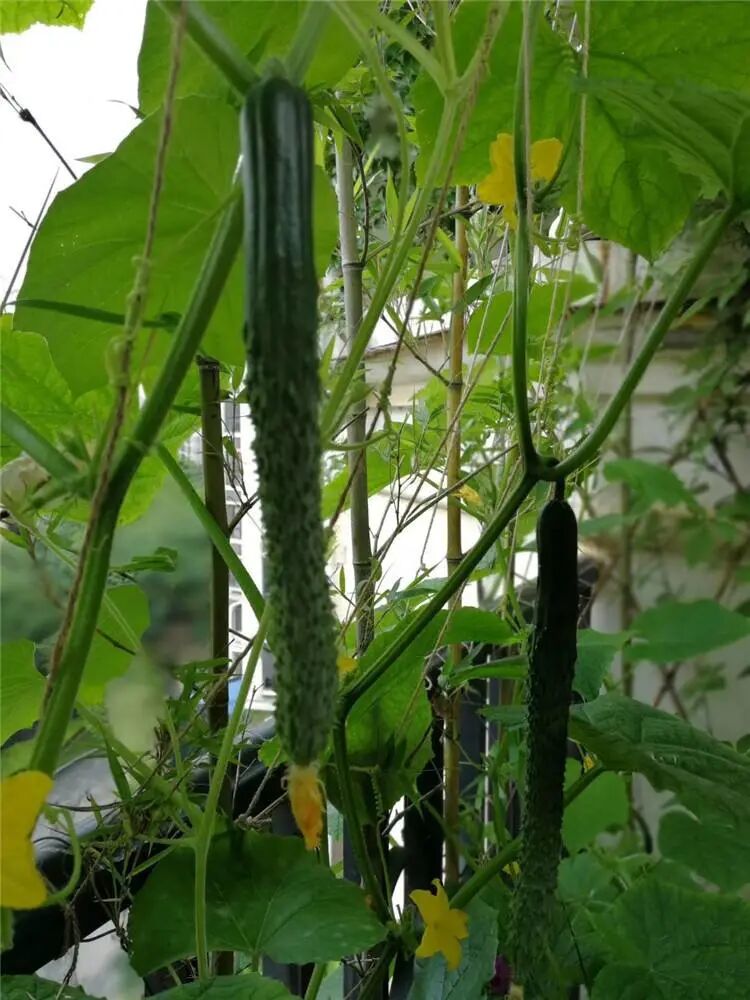
Cucumber is also a sacred beauty product. It can be eaten raw or cooked, and it can also be used for skin care (* ▽ ╹*)。 The planting method of cucumbers is almost the same as that of small tomatoes. Remember to set up shelves for them in time. Generally, they can last to bear melons until autumn.
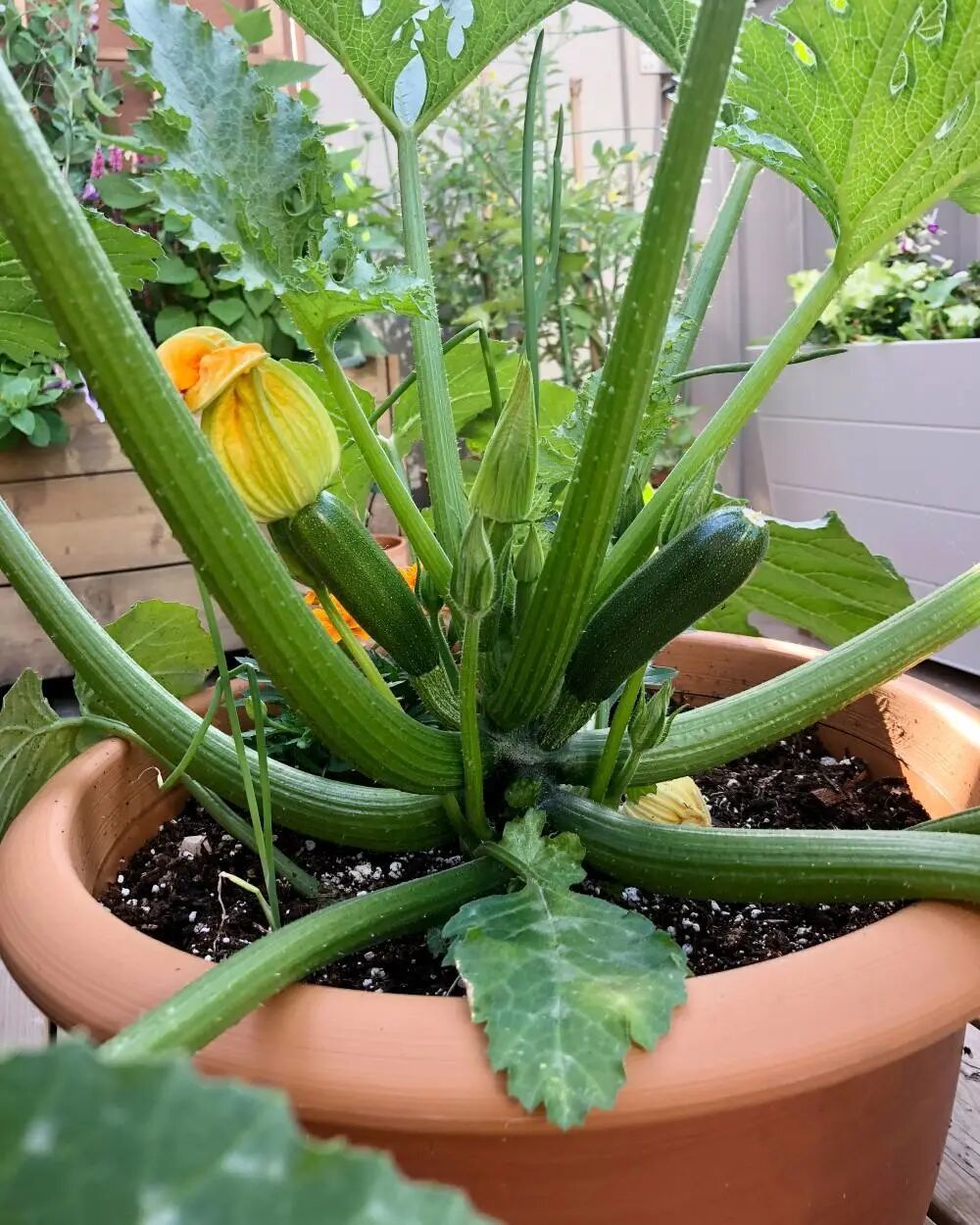
If you like to eat melons, but you dislike their vines everywhere, then plant a zucchini, which is also a melon, but there are not so many pulling around, and the melon bearing rate is also very optimistic.
It's almost time to pick green beans, and now there are dwarfed green bean varieties, so don't worry about it being pulled around.
In addition to the green beans and the jar beans, the jar beans can be harvested again after almost eating the green beans, leaving no chance for the dishes to rest  。
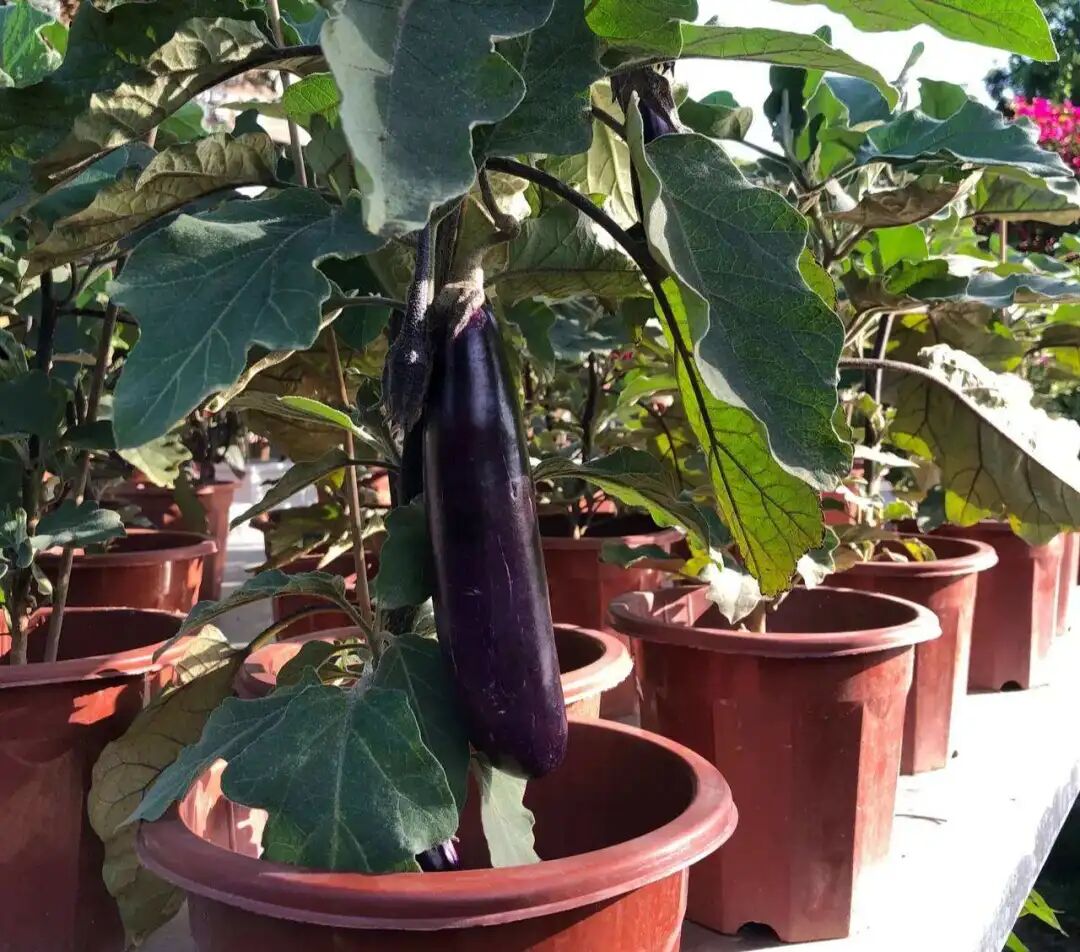
Eggplant is a vegetable variety with relatively developed root system. If you want to plant it on the balcony, try to choose a larger and deeper flower pot to plant it. Remember to give enough light and water during growth, and it can grow and bear fruit quickly (generally, each eggplant can grow 10-20 eggplants).
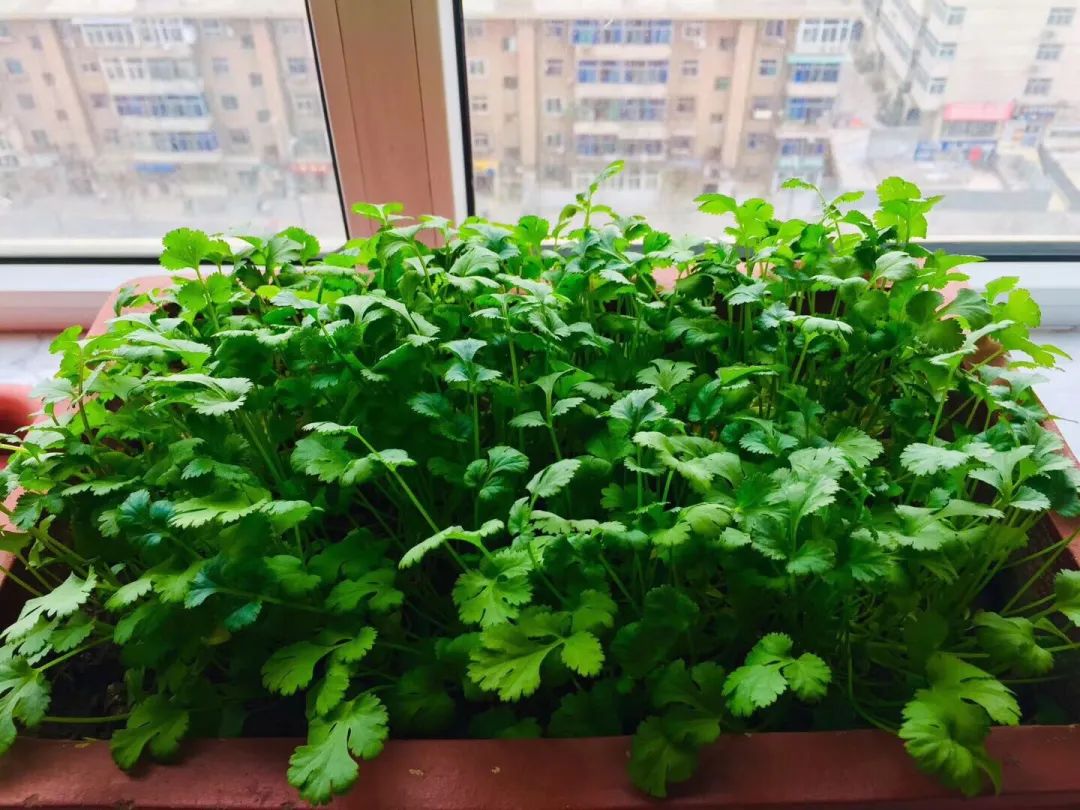
Compared with other vegetables, coriander may be used less frequently, but for coriander fans, it is an indispensable seasoning. Coriander is generally planted by sowing, or you can leave the roots of bought coriander seedlings for planting. Therefore, those who like to eat seedlings will sow and plant them; those who are too troublesome will pinch the leaves and eat them, and the roots will sprout one after another.
The bought celery can be planted by leaving the roots, and it can also be picked indefinitely. Of course, it can also be sown and picked seedlings.
Shallot is also one of the indispensable condiments for families. It is simple to plant. Just bury the roots in the soil to germinate quickly. You can pick some shallot leaves every time you need it, and you can have inexhaustible shallot seedlings from then on.
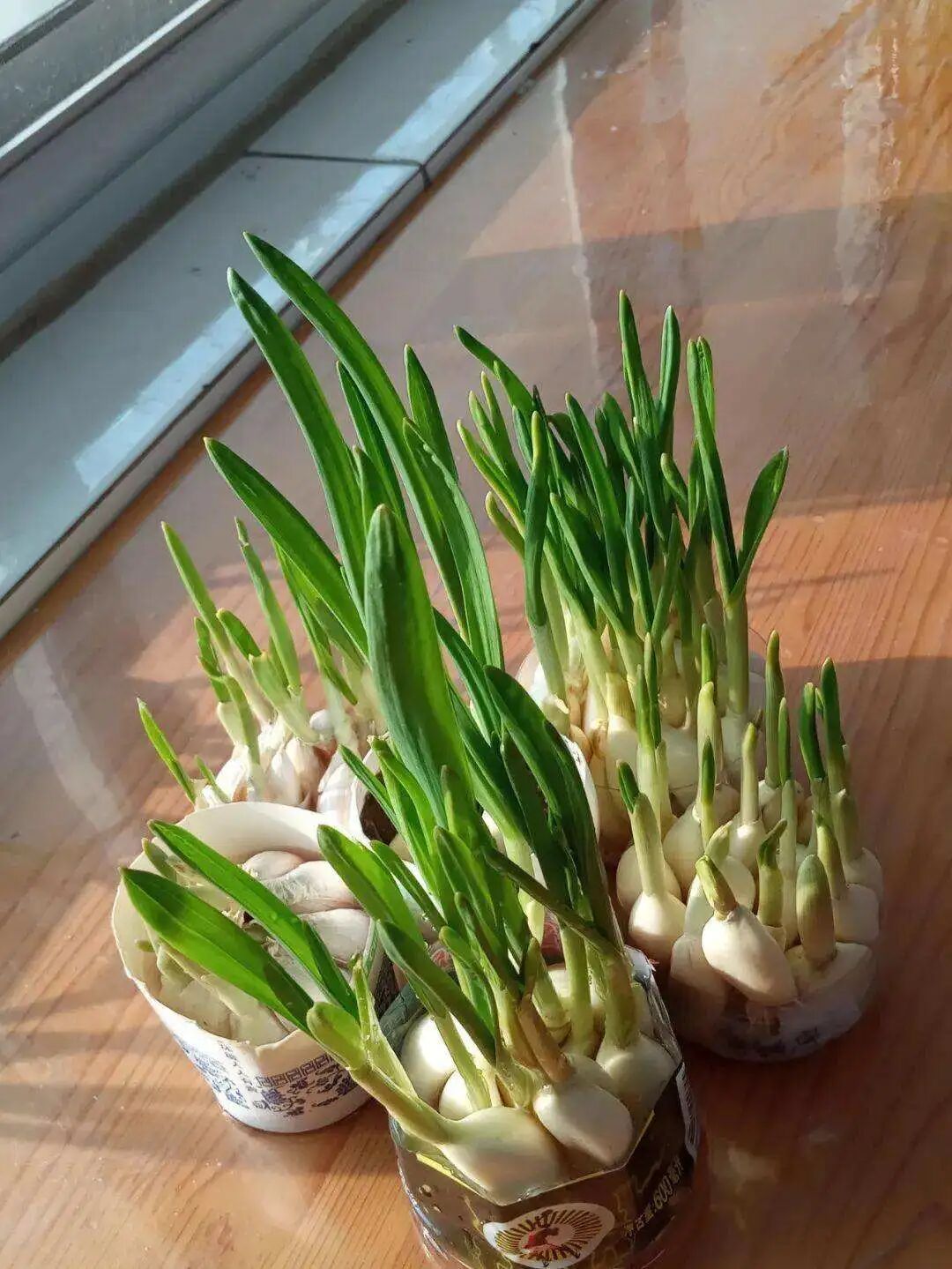
Garlic bought at home is always particularly easy to germinate. It's better to plant germinated garlic. You can not only harvest more garlic, but also harvest garlic sprouts and garlic moss... It has the charm of narcissus, but also has the wonderful use that narcissus doesn't have.
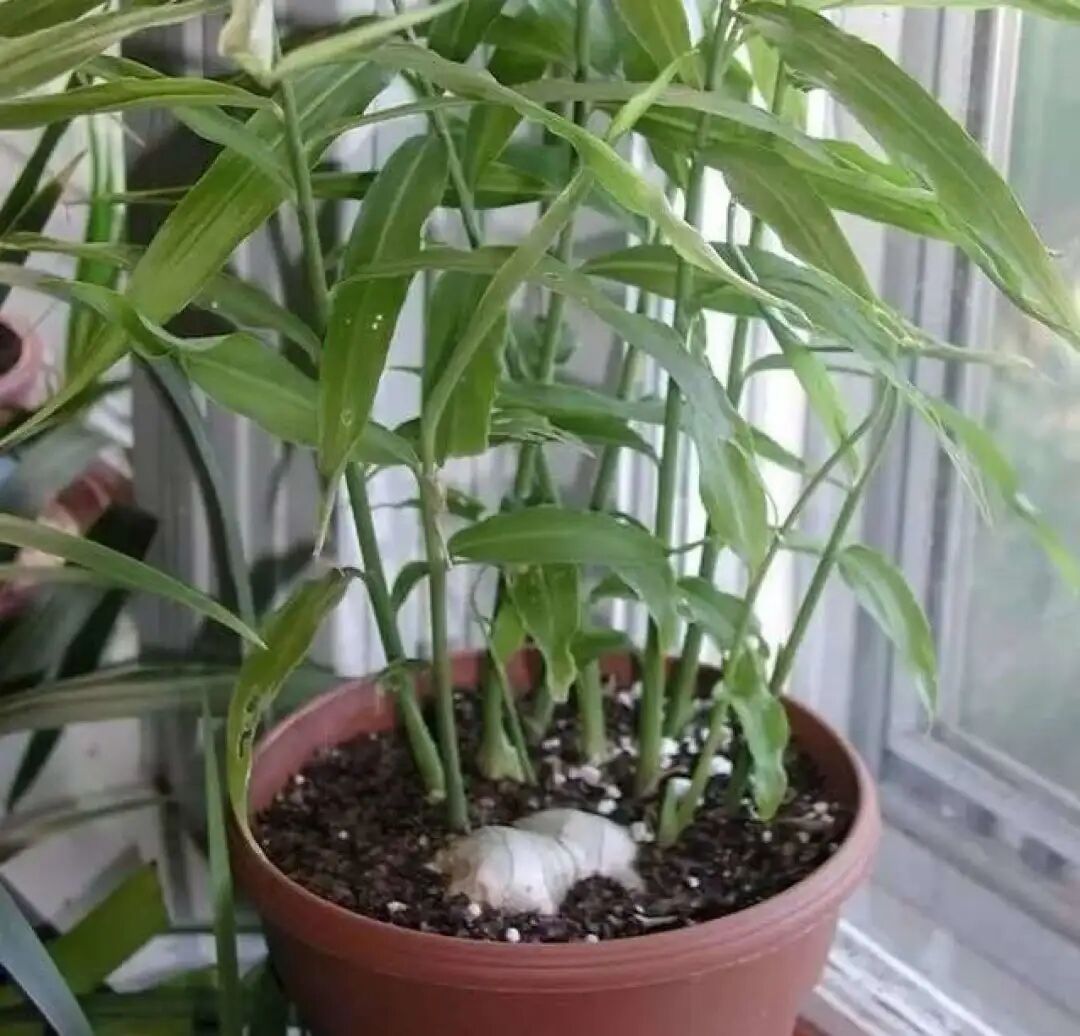
Besides garlic loves to germinate, ginger is also the master of germination. If the ginger at home germinates, don't throw it away. Find a flower pot and plant it. After a year, you can harvest a pot of Jiangshan, both old ginger and tender ginger! Moreover, in the year of its growth, it can also give back to you the face value of rich bamboo and the fragrance with ginger flavor.
For friends who don't like spicy food, they must plant pepper. Chaotian pepper and millet pepper are spicy varieties. If you don't especially like spicy food, just plant a vegetable pepper!
。
Eggplant is a vegetable variety with relatively developed root system. If you want to plant it on the balcony, try to choose a larger and deeper flower pot to plant it. Remember to give enough light and water during growth, and it can grow and bear fruit quickly (generally, each eggplant can grow 10-20 eggplants).
Compared with other vegetables, coriander may be used less frequently, but for coriander fans, it is an indispensable seasoning. Coriander is generally planted by sowing, or you can leave the roots of bought coriander seedlings for planting. Therefore, those who like to eat seedlings will sow and plant them; those who are too troublesome will pinch the leaves and eat them, and the roots will sprout one after another.
The bought celery can be planted by leaving the roots, and it can also be picked indefinitely. Of course, it can also be sown and picked seedlings.
Shallot is also one of the indispensable condiments for families. It is simple to plant. Just bury the roots in the soil to germinate quickly. You can pick some shallot leaves every time you need it, and you can have inexhaustible shallot seedlings from then on.
Garlic bought at home is always particularly easy to germinate. It's better to plant germinated garlic. You can not only harvest more garlic, but also harvest garlic sprouts and garlic moss... It has the charm of narcissus, but also has the wonderful use that narcissus doesn't have.
Besides garlic loves to germinate, ginger is also the master of germination. If the ginger at home germinates, don't throw it away. Find a flower pot and plant it. After a year, you can harvest a pot of Jiangshan, both old ginger and tender ginger! Moreover, in the year of its growth, it can also give back to you the face value of rich bamboo and the fragrance with ginger flavor.
For friends who don't like spicy food, they must plant pepper. Chaotian pepper and millet pepper are spicy varieties. If you don't especially like spicy food, just plant a vegetable pepper!
Pepper seeds are planted after urging seedlings, and they can be picked in about February-March!
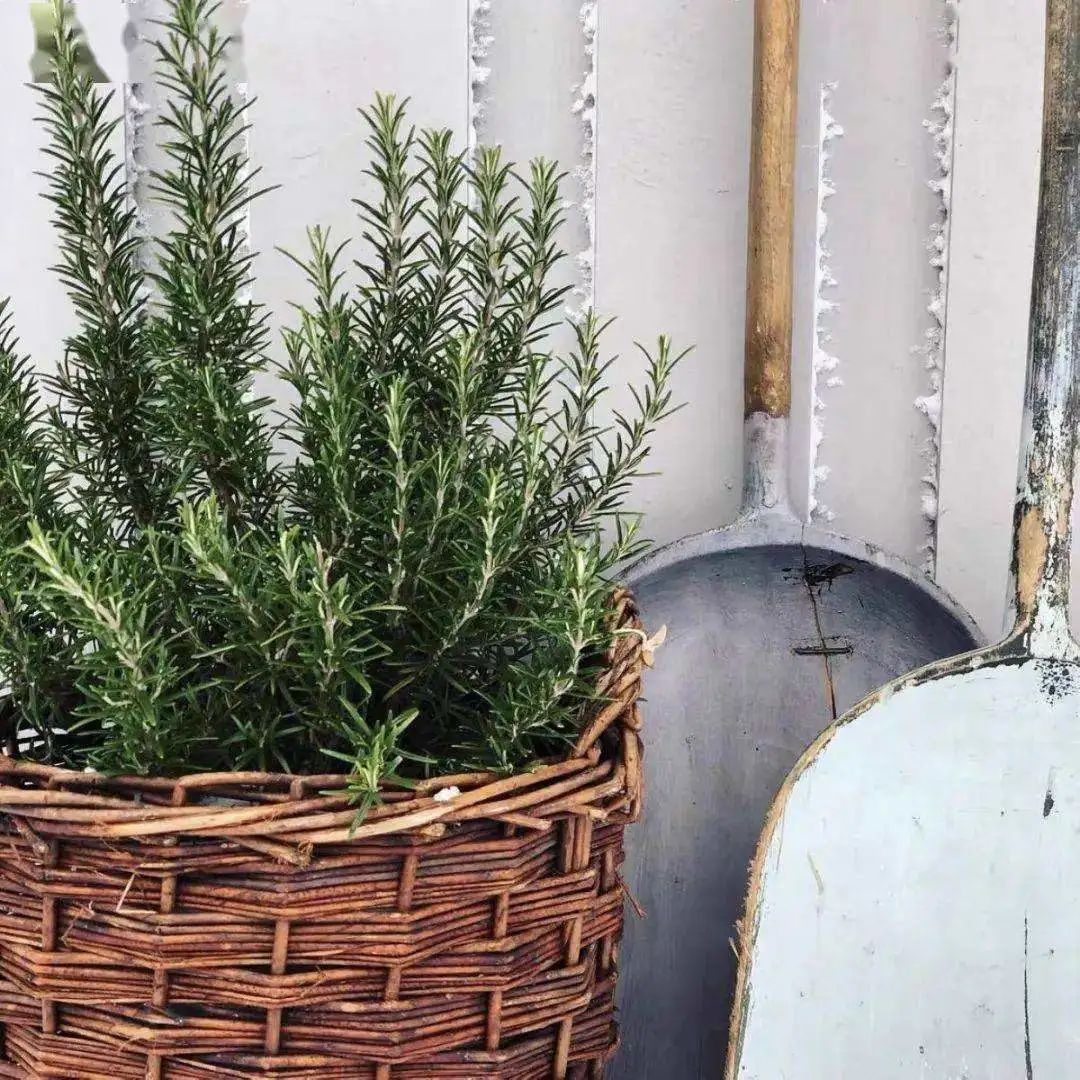
Rosemary can also give off a refreshing smell. The smell of rosemary has a refreshing effect. Its leaves are not only beautiful, but also perfect for frying steaks.
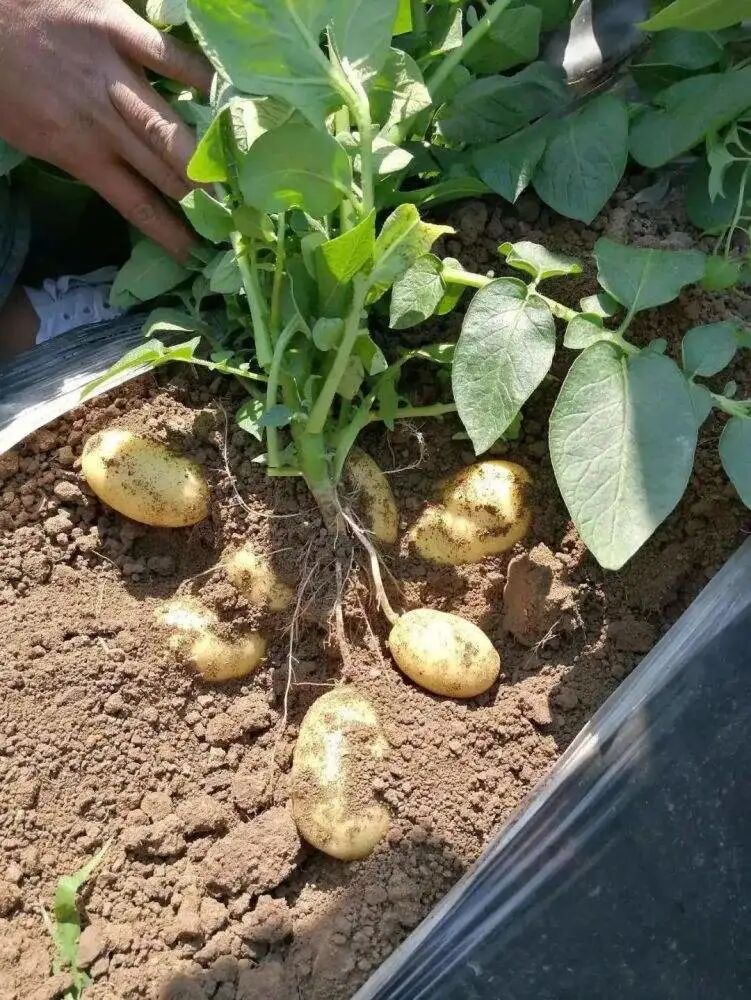
Potatoes are also the masters who love to germinate, and germinated potatoes are poisonous. If the potatoes you buy sprout, simply cut them into pieces and plant them. After half a year, you can harvest a pot of fresh small potatoes.
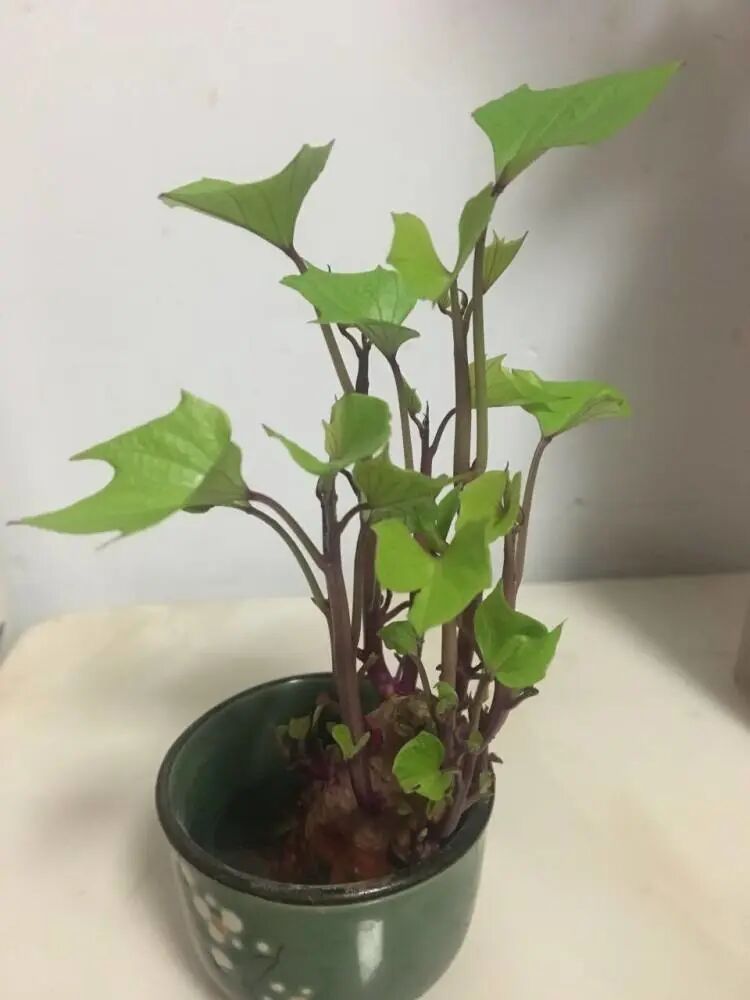
Sweet potatoes can't be eaten anymore when they germinate. At this time, you can find a bottle and plant sweet potatoes (soil culture and water culture can be used), and you can eat fresh sweet potato seedlings, which are beautiful and delicious.
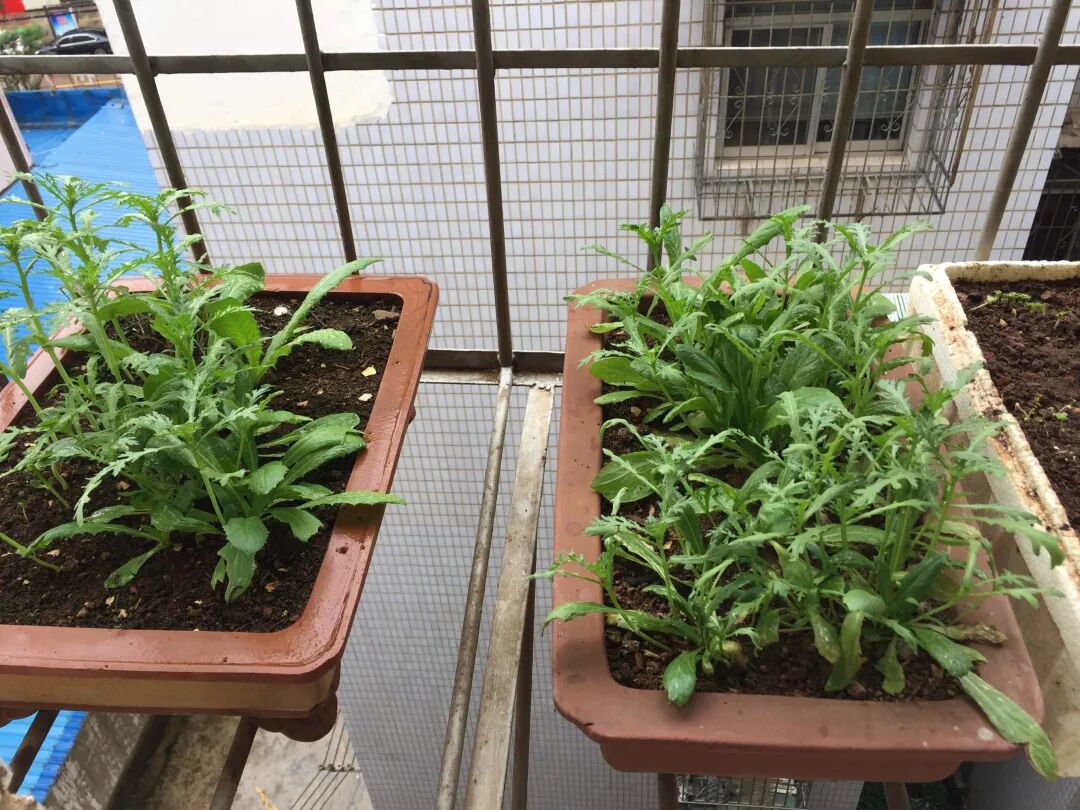
Artemisia chrysanthemum has a special taste, which can't be accepted by those who don't like it, and those who like it can't stop. Artemisia chrysanthemum is generally sown and propagated, and can be planted in spring, autumn and summer. Generally, it can be picked one month after sowing. If there are too many vegetables in your family to "be lucky" with them, then stay and wait for them to bloom. You can not only have an amazing time but also harvest a batch of seeds.
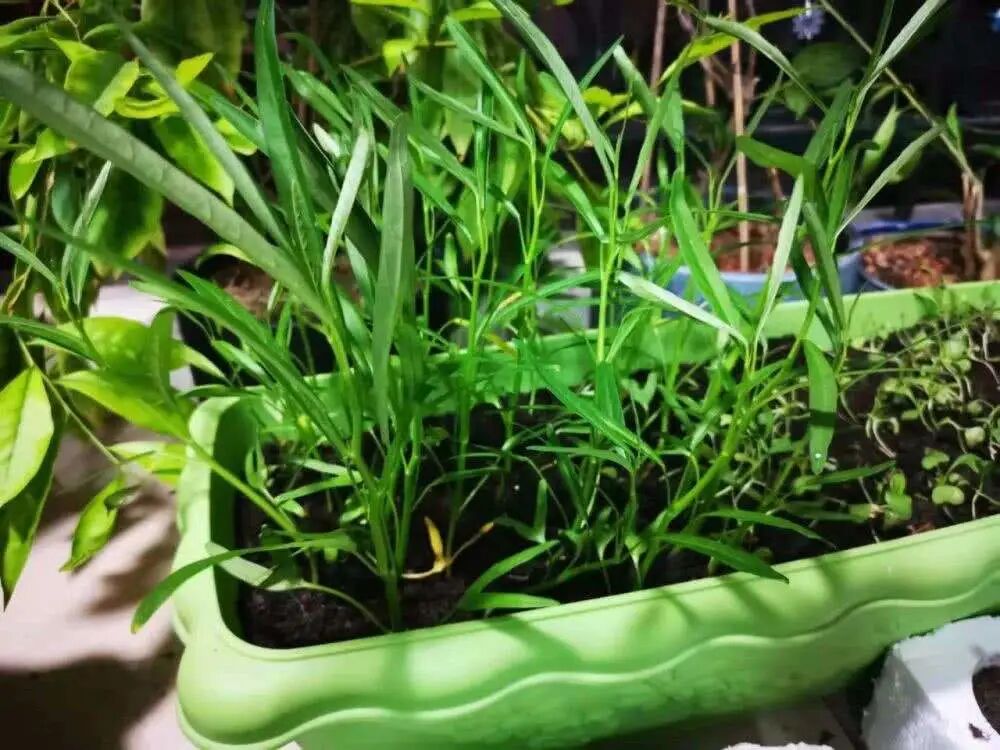
What you can't miss in summer is water spinach. The leaves are also very tender, delicious and easy to grow (both soil and hydroponic can be cultivated). Buy a handful of water spinach in the market, remove the tender branches and leaves, plant the remaining branches and wait for the next batch of tender seedlings to be harvested.
As its name implies, the radish that grows is also very cute, and its taste is just like fruit radish. Moreover, the growth cycle of cherry radish is quite short, and it can be harvested after sowing for 1-2 months.
Finally, I recommend a relatively small vegetable-ice vegetable, which has transparent ice crystals on the surface, a cold taste and a salty taste, especially suitable for summer.
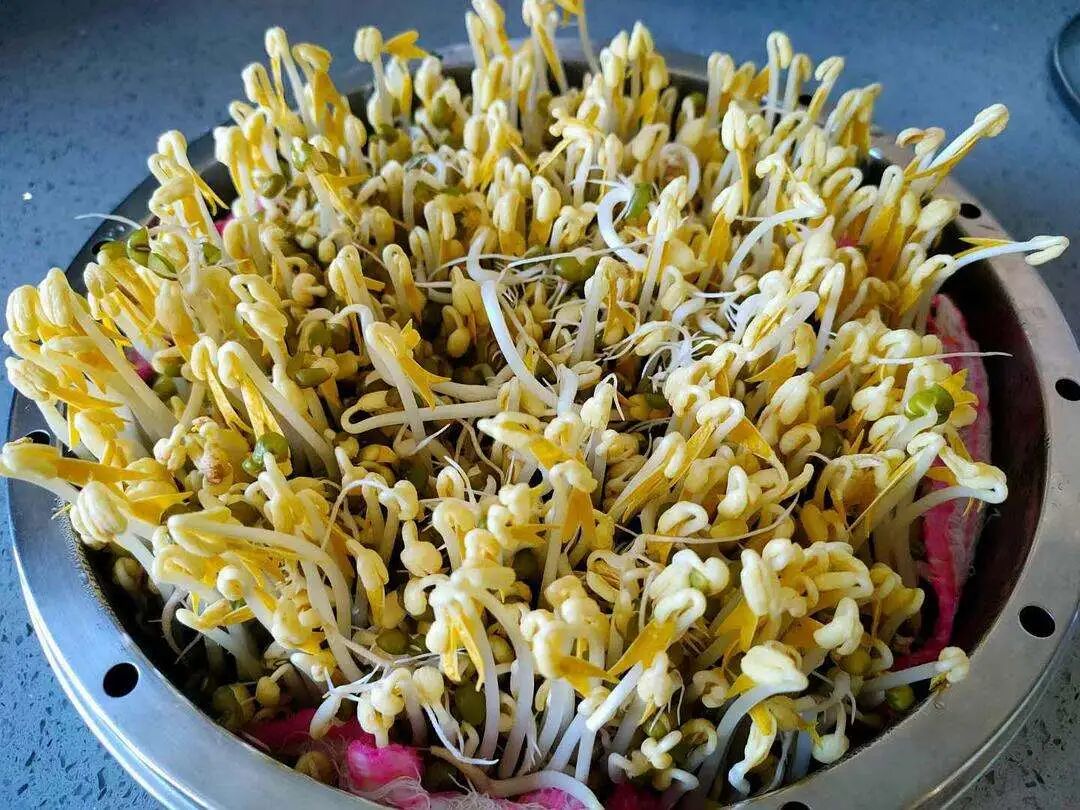
If you think the growth cycle is too long, take out your soybeans, mung beans, peanuts... and you can have a pot of bean sprouts in just a few days.