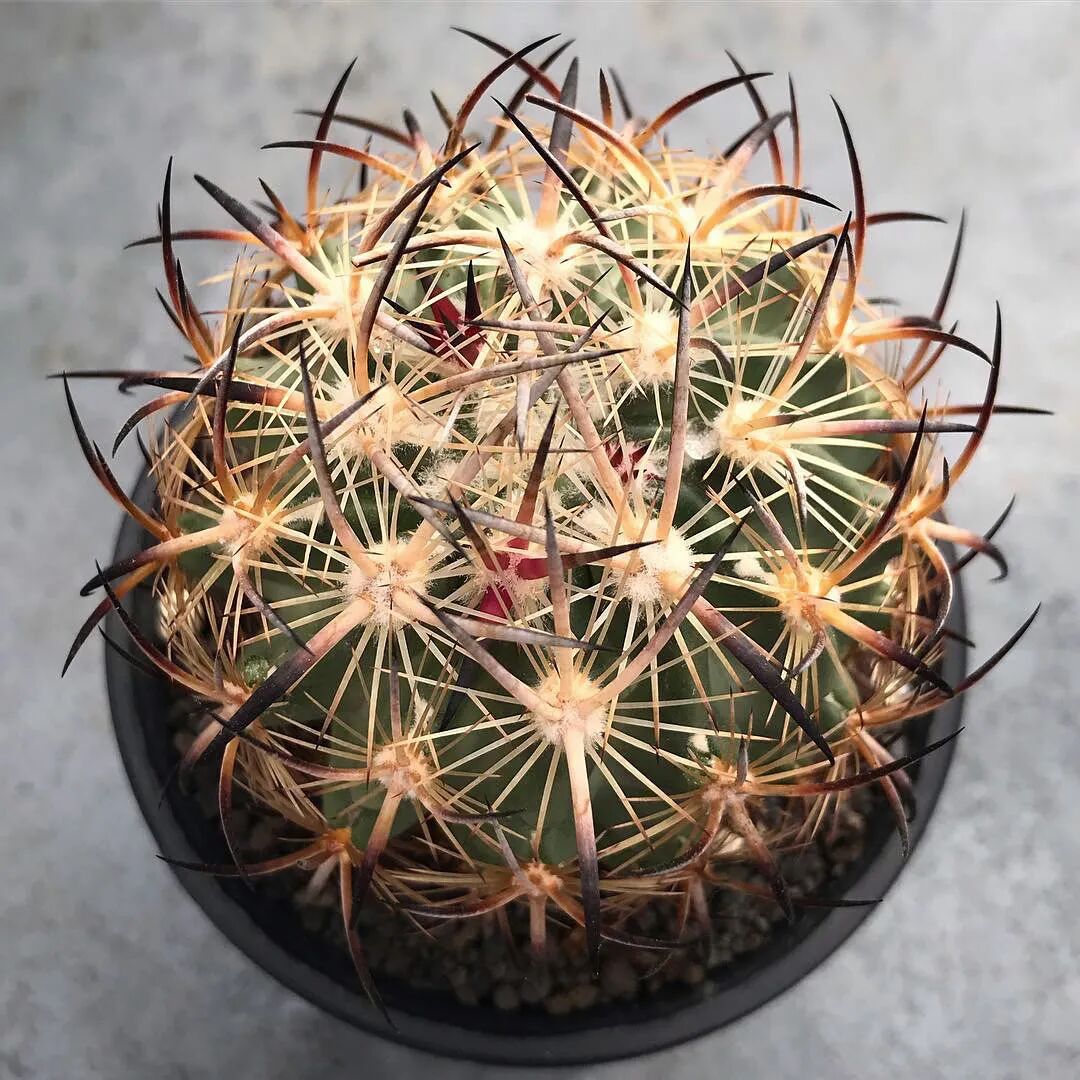
Today, our protagonist is a lazy plant-prickly cactus. It not only has many kinds, but also is drought-tolerant, with few diseases and pests. It is very worry-free to maintain. It is suitable for friends who are usually busy, have no time to take care of flowers and plants, and want to plant something...
1. Introduction to cactus
Cactus is a perennial herbaceous pulpy plant belonging to Cactaceae and Cactus. The plant is solitary or clustered. It is native to the arid grasslands of Argentina and southern Brazil, and is now widely cultivated everywhere. It can improve indoor air quality, purify the air, and absorb sulfur dioxide, hydrogen chloride, carbon monoxide, carbon dioxide and nitrogen oxides.
According to the feedback from flower friends, the longest-lived cactus is a variety such as tortoise shell peony, which should live for 500 years; The shortest life span is the cactus "pocket".
2. Growth habits of prickly cactus
Cactus is a subtropical herb, which likes warm and humid climate in summer and dry climate in winter. It requires a sunny environment, is resistant to drought, slightly tolerant to shade, avoids strong direct sunlight, is afraid of water accumulation, and is not cold resistant.
3. How to make the cactus big and round
-
Adequate and uniform light : Insufficient light will grow too long; If it is a potted plant placed on the windowsill or indoors, it is necessary to turn the flowerpot from time to time to let it receive even light and grow evenly.
-
Proper water control: Too much water can also cause the cactus to grow too much, and even cause damage to the root system and death.
-
Diligent fertilizer and thin application: If you want to make the cactus chunky and beautiful, you must apply some fertilizer to it, but the amount must not be large.
4. How to make cactus cubs explode more
In addition to the above-mentioned sufficient and even illumination, proper water control, diligent fertilizer application, there is also the need to destroy the growth point at the top of the cactus, so that it is forced to grow small balls from the thorn seat of the ball (it feels cruel).
5. Introduction to 30 cactus varieties (illustrated book)
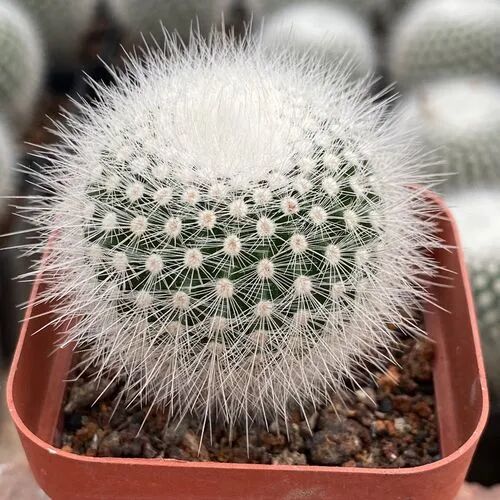
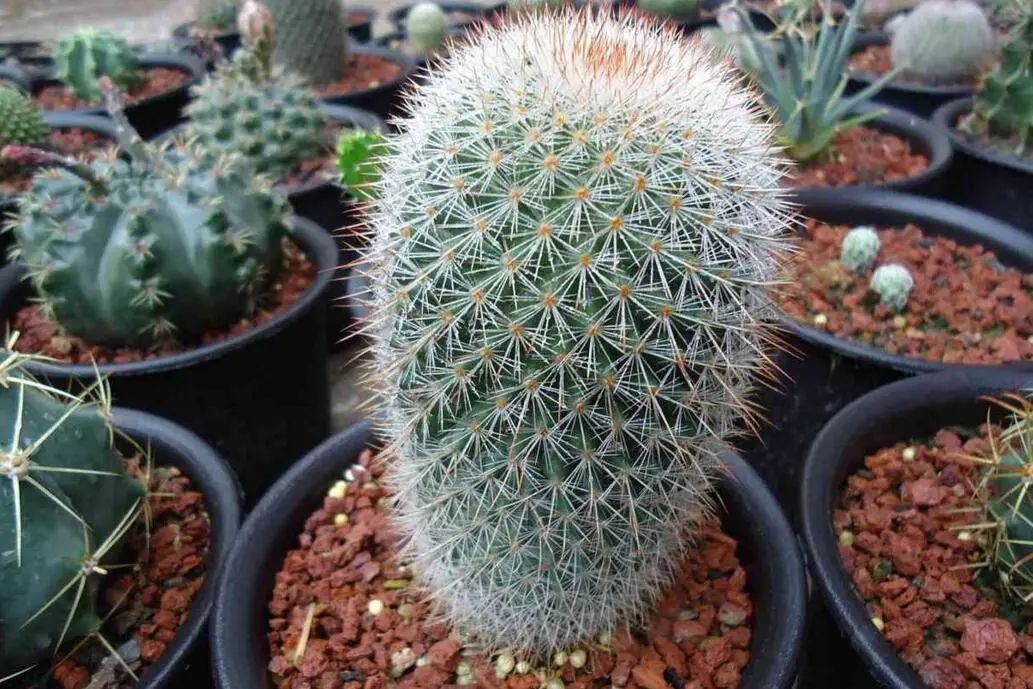
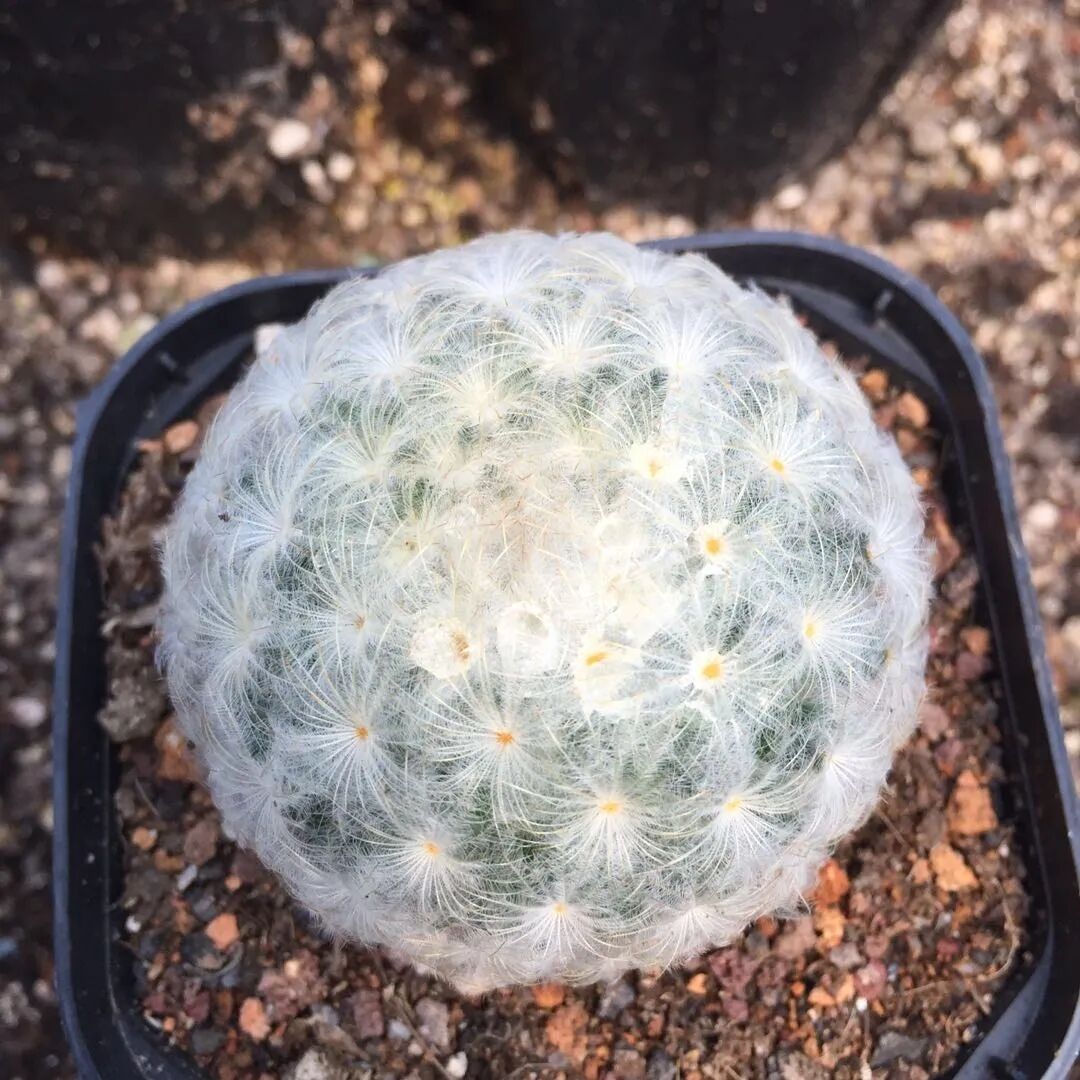
When the jade plant is young, it is oblate or spherical, and gradually grows into a cylindrical shape in the later stage. The sphere is light green, with a diameter of about 10 cm, and white long wool is attached to the outside (the wool is about 4 cm long), which covers the sphere, making the whole sphere a silver-white wool ball, which is very beautiful.
Jingqiaowan is a very small spherical species. The sphere is dark green and hard. There are tiny white thorns on the axe-shaped wart on it, which grows extremely slowly.
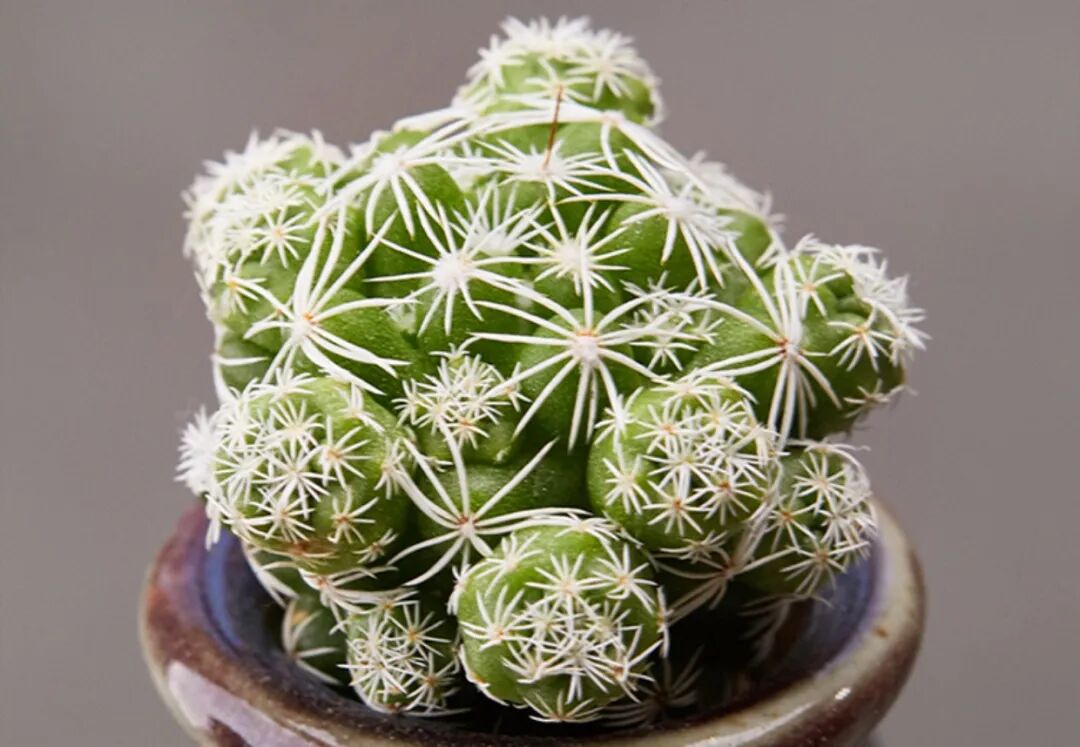
Small cactus, with reddish-brown criss-crossing stripes in gray-green sphere, dense top stripes, 8 uniform ribs, and small brown blunt teeth on the ribs.
The sphere of Shirakomachi is dark green, and the thorn seats are densely distributed. Each thorn seat has a middle thorn and silver-white or yellow-white brush-shaped secondary thorn.
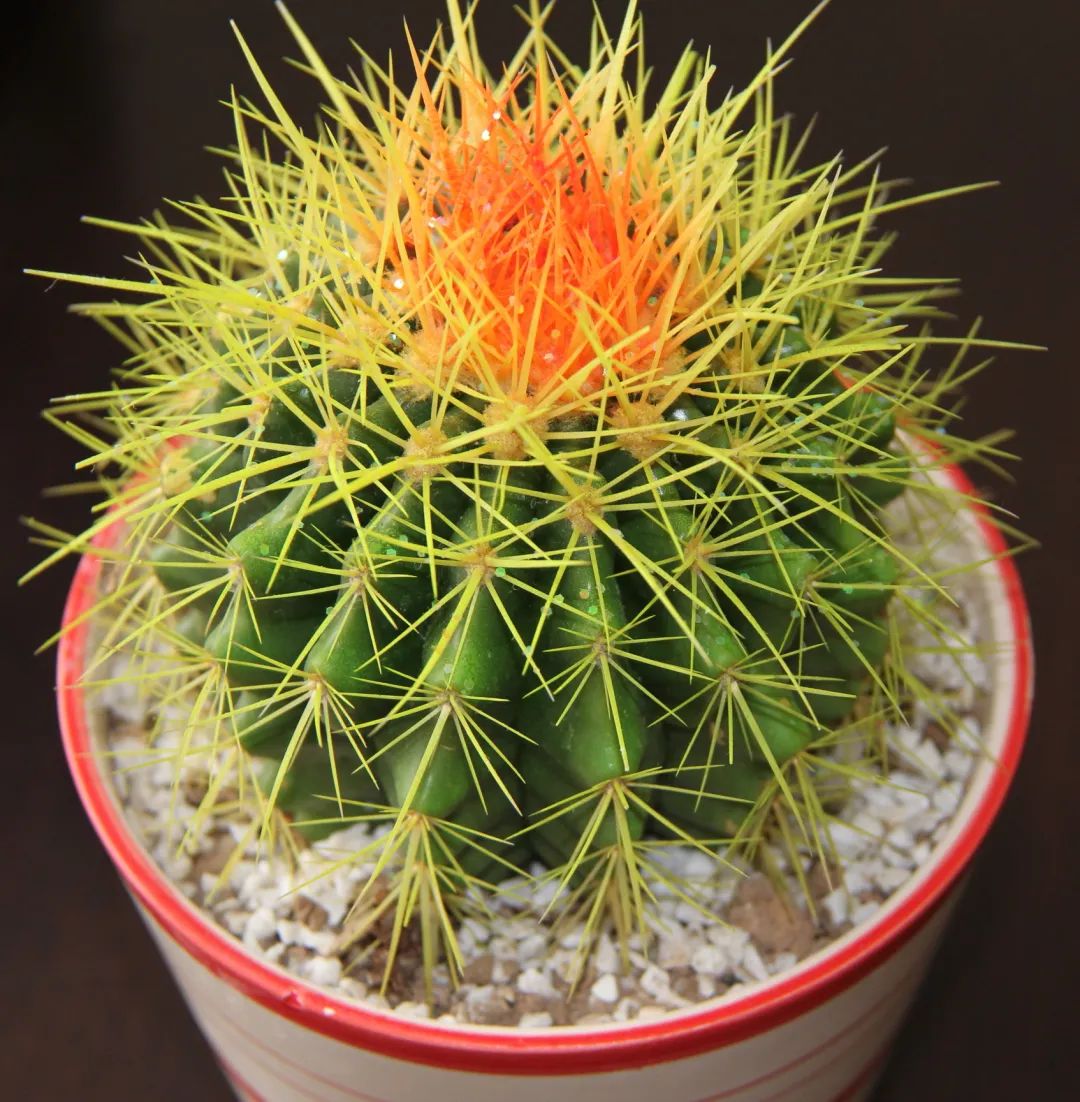
There is an orange circle in the middle of the golden crown cactus, which looks like it is wearing a crown, hence the name "Golden Crown". At present, it is more common in the market and the price is relatively cheap.
Jinhu cactus is a more attractive representative of cactus. The sphere is round and green, with hard golden thorns on it. Generally, Jinhu cactus can grow to about one meter, and the top of the sphere will have golden fluff, which is domineering and beautiful, and it is convenient to cultivate.

Naked hunk, also known as short-thorned golden hunk and thornless golden hunk, is similar in shape to golden hunk, but there are no thorns or short blunt thorns, and the top of the sphere has pale yellow fluff.

Uber's sphere is generally bright green, waxy gray, or even dark purple, with obvious ribs and spines on it, granular epidermis, and usually white, gold or black spine, forming a line along the ribs. It is one of the more difficult cacti to grow.
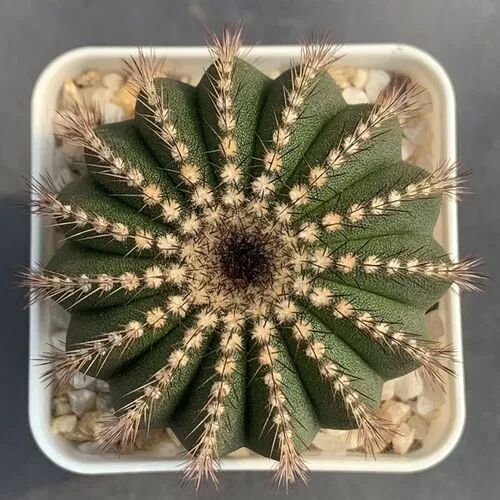
There are many ribs on the sphere with thousands of waves. The ridges are very thin, and the ribs are wavy and curved. There are thorn seats sparsely distributed on the ribs. Each thorn seat has several thorns, and the new thorn seat has white wool.
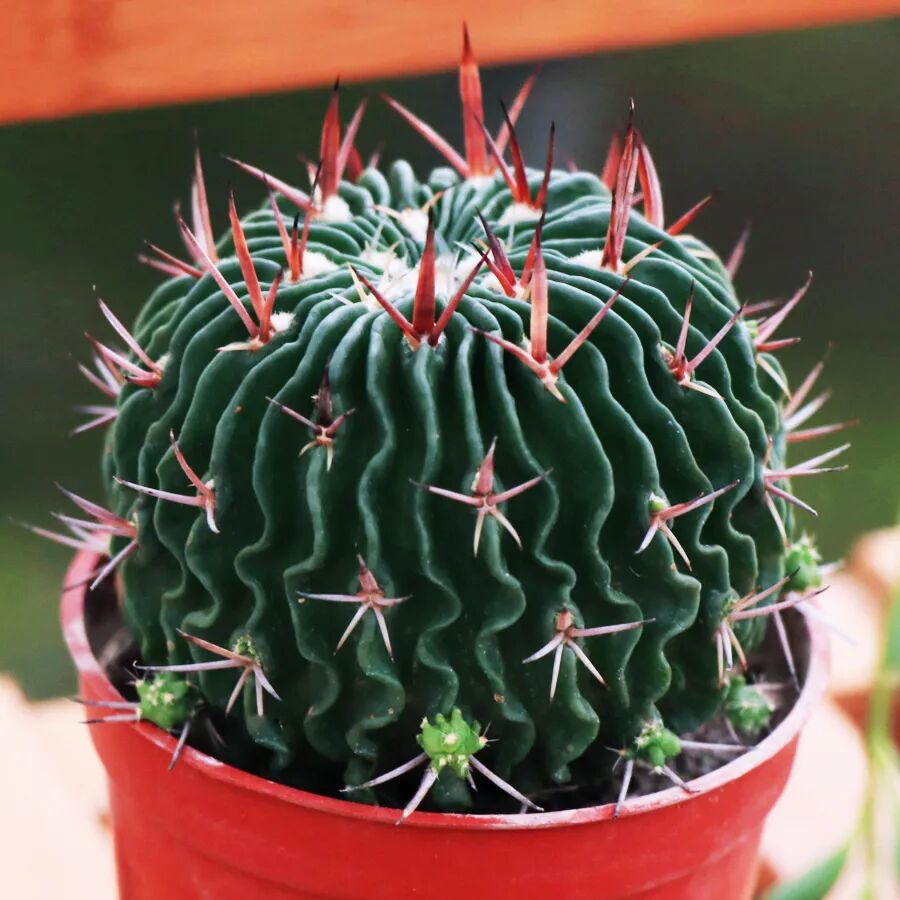
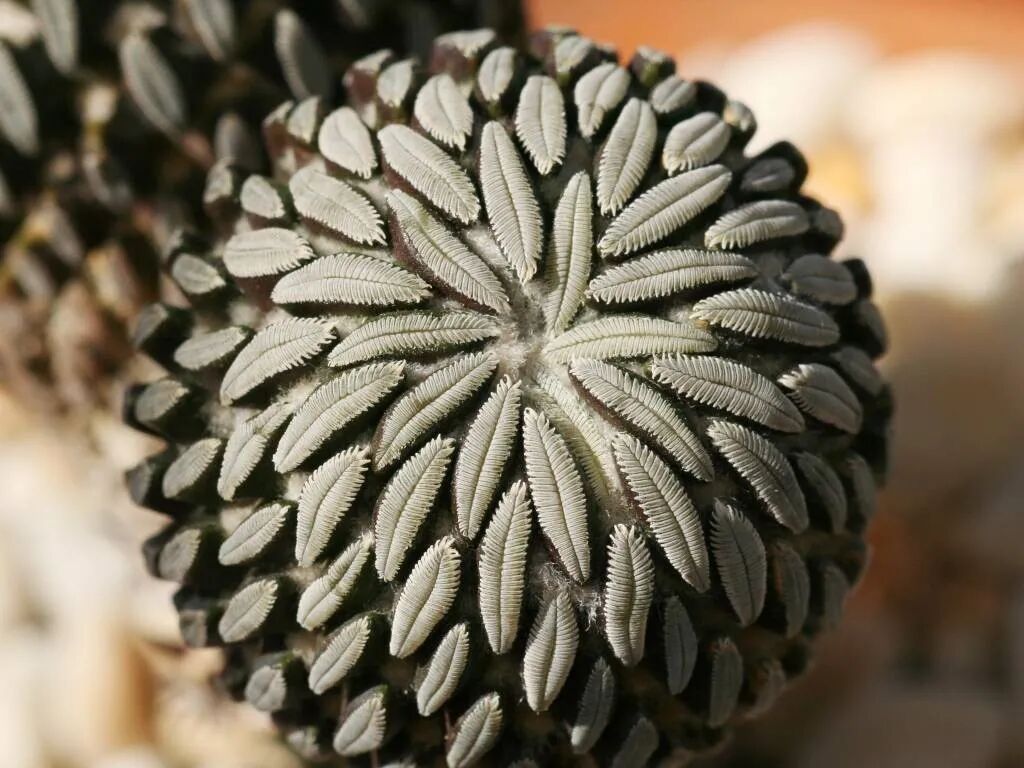
Pine needle peony is of great ornamental value, both in the plant itself and in the flowers it blooms. It has the reputation of "king of papilla" and its germination rate is extremely low.
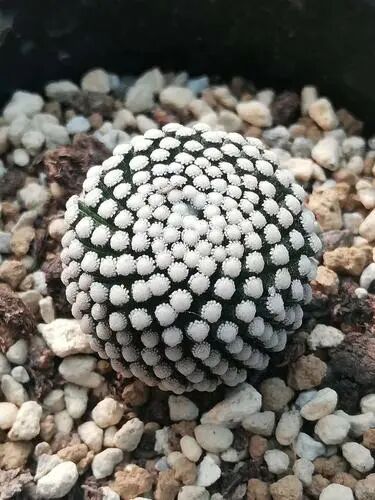
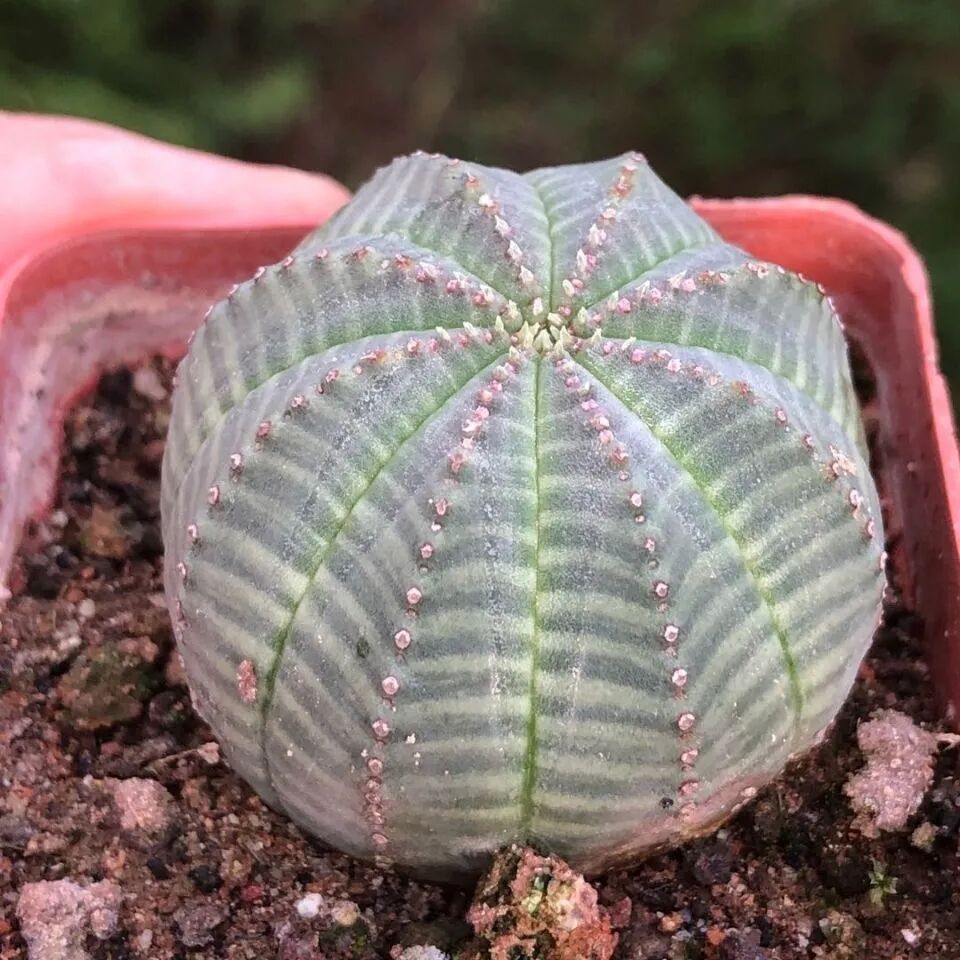
Most of the plants are solitary, mainly spherical, with green leaves, smooth surface, almost thornless, and obvious and uniform fleshy ribs on the sphere, which divides the sphere into triangle, four corners, five corners or lantern shapes. Varieties with different edges and corners have their own unique names: the four corners are called square jade, the five corners are called glazed luanfeng jade, and the triangle is the rarest.
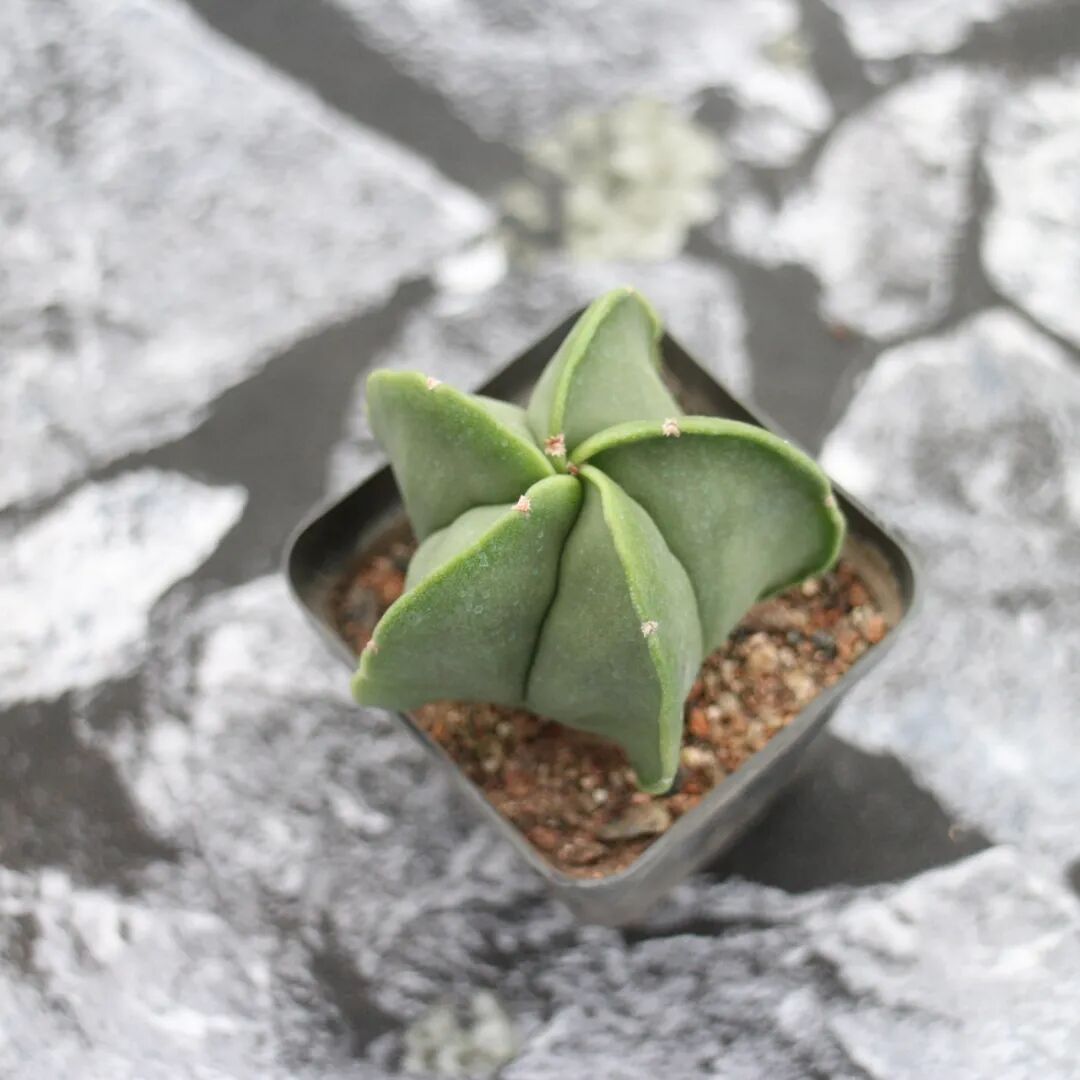
Dragon King Ball is also called left-handed right-handed, because its sphere will rotate and grow in one direction when it grows, some to the left and some to the right. The rotating shape is very obvious, and its thorns are soft and not very pricking. Moreover, it is not easy to cause problems when it is exposed to rain in the open air, and it can bloom in all seasons.
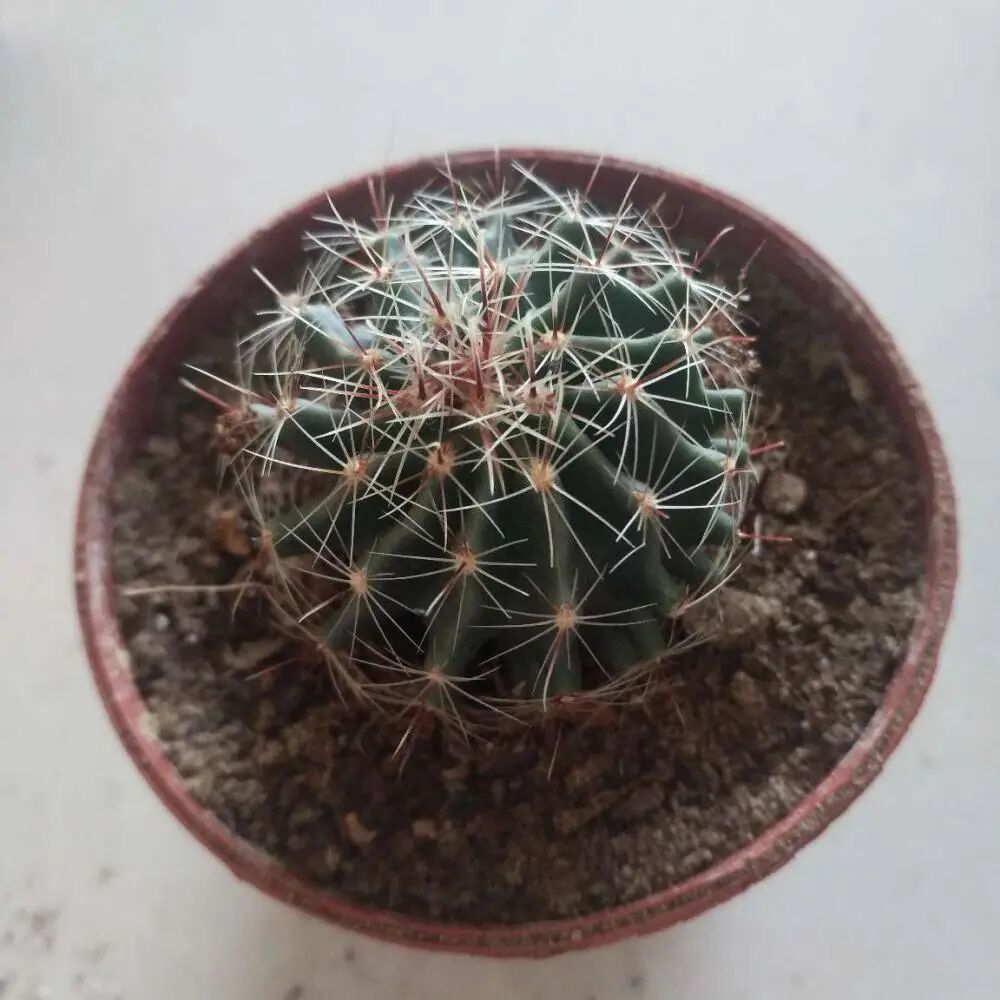
Feiju dark green sphere, with about 5 thorns in each thorn seat, is spherical and dignified, flowers beautifully, and has few diseases and pests, so it is very suitable for general family cultivation.
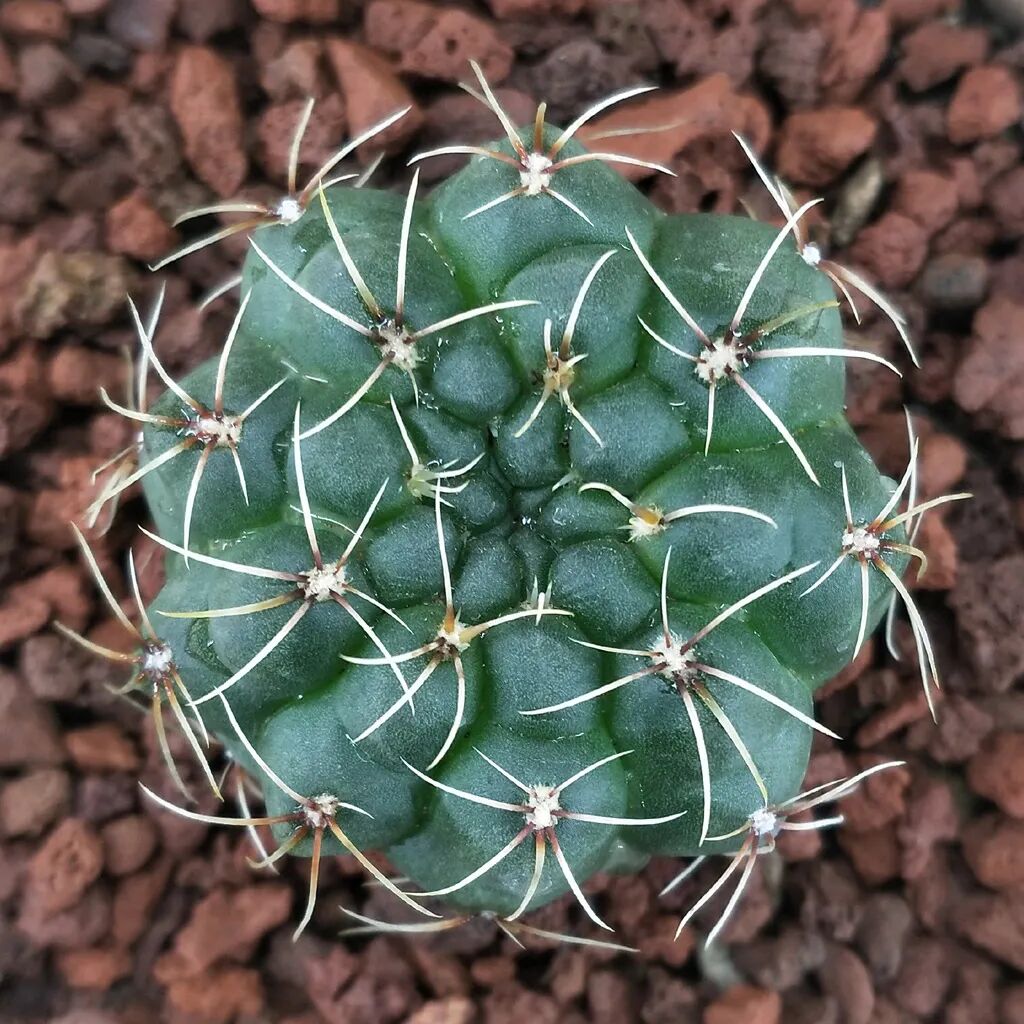
Black diamond is cylindrical, with dark green spheres. There are some obvious ribs on the edges of the plants, and there are many very small thorns on the ribs.
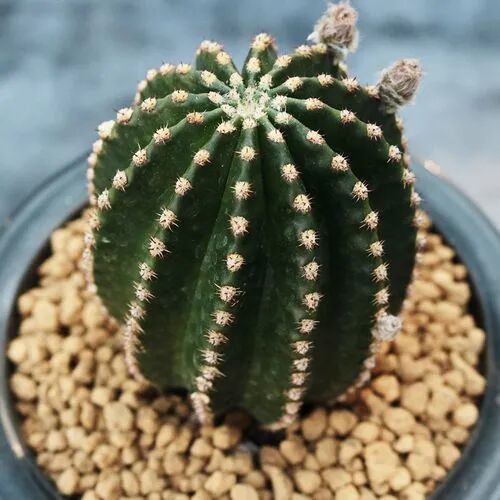
The white snow light sphere is slightly oblate, with small wart-like protrusions, arranged in a spiral shape, densely grown with radial white thorns of 3 to 5 mm, and the central thorn is pale yellow.
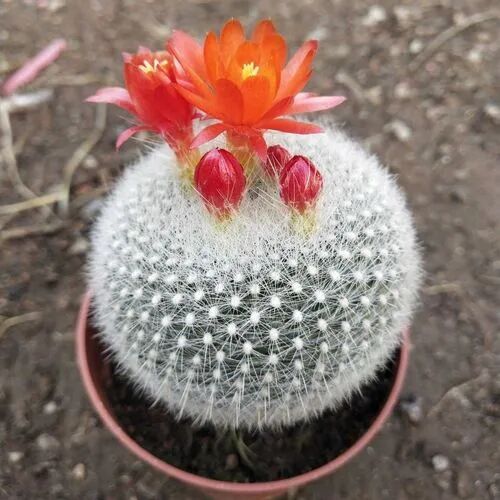
Prajna sphere is spherical to cylindrical, bluish-gray-green, and white fluffy small star dots are covered with plants. The sphere has 6 to 10 thin sharp edges, with spine seats on the edges. Each spine seat has 3 to 6 sparse radial needles. The flowers are terminal and bloom in summer.
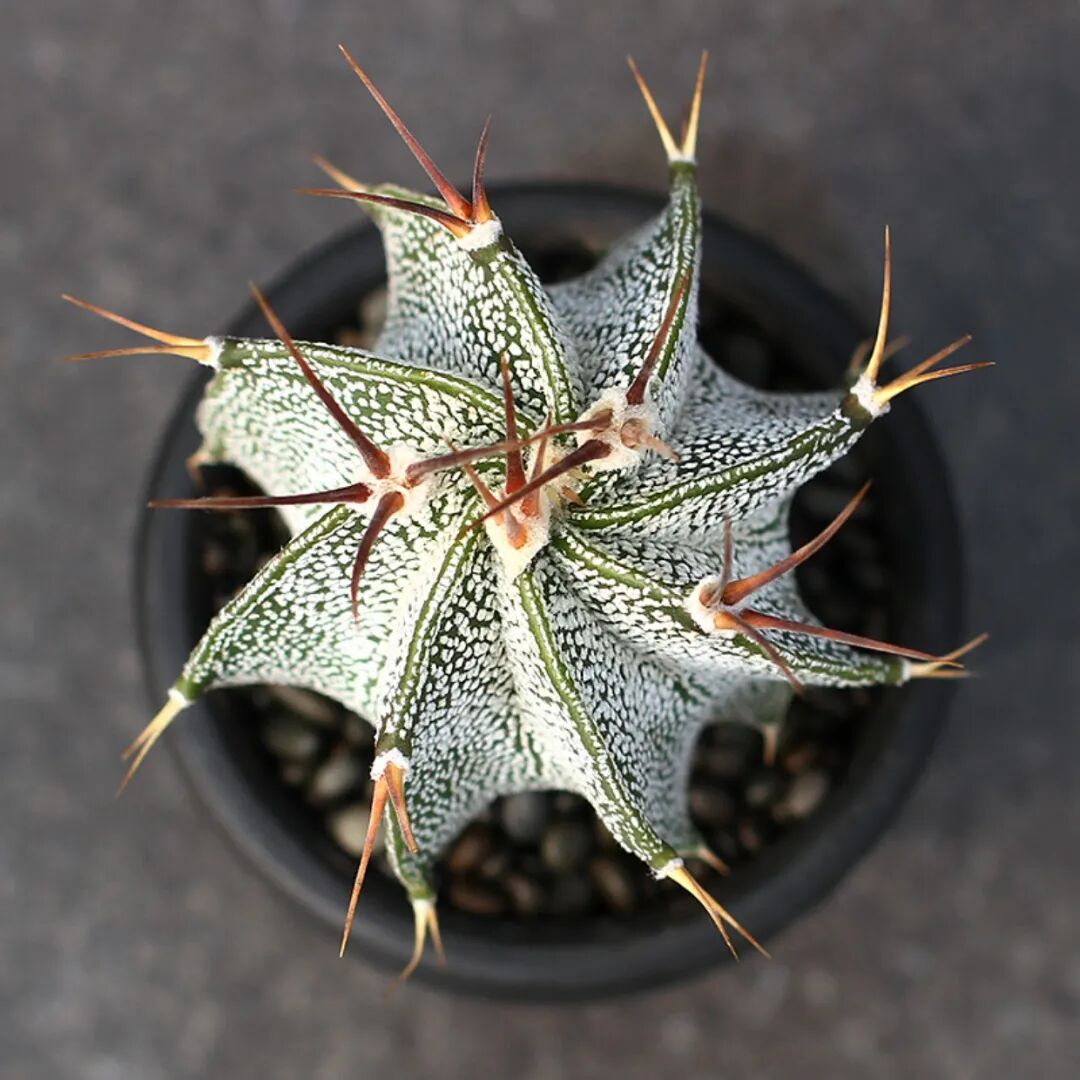
The plant sphere of Ruiyun peony is round or long tubular, the surface body is dark green or purple red, and there are 8 ~ 12 regular ribs. There are a small number of short thorns that have gradually degenerated on the ribs, which basically won't prick hands, so it is very suitable for family planting and ornamenting.
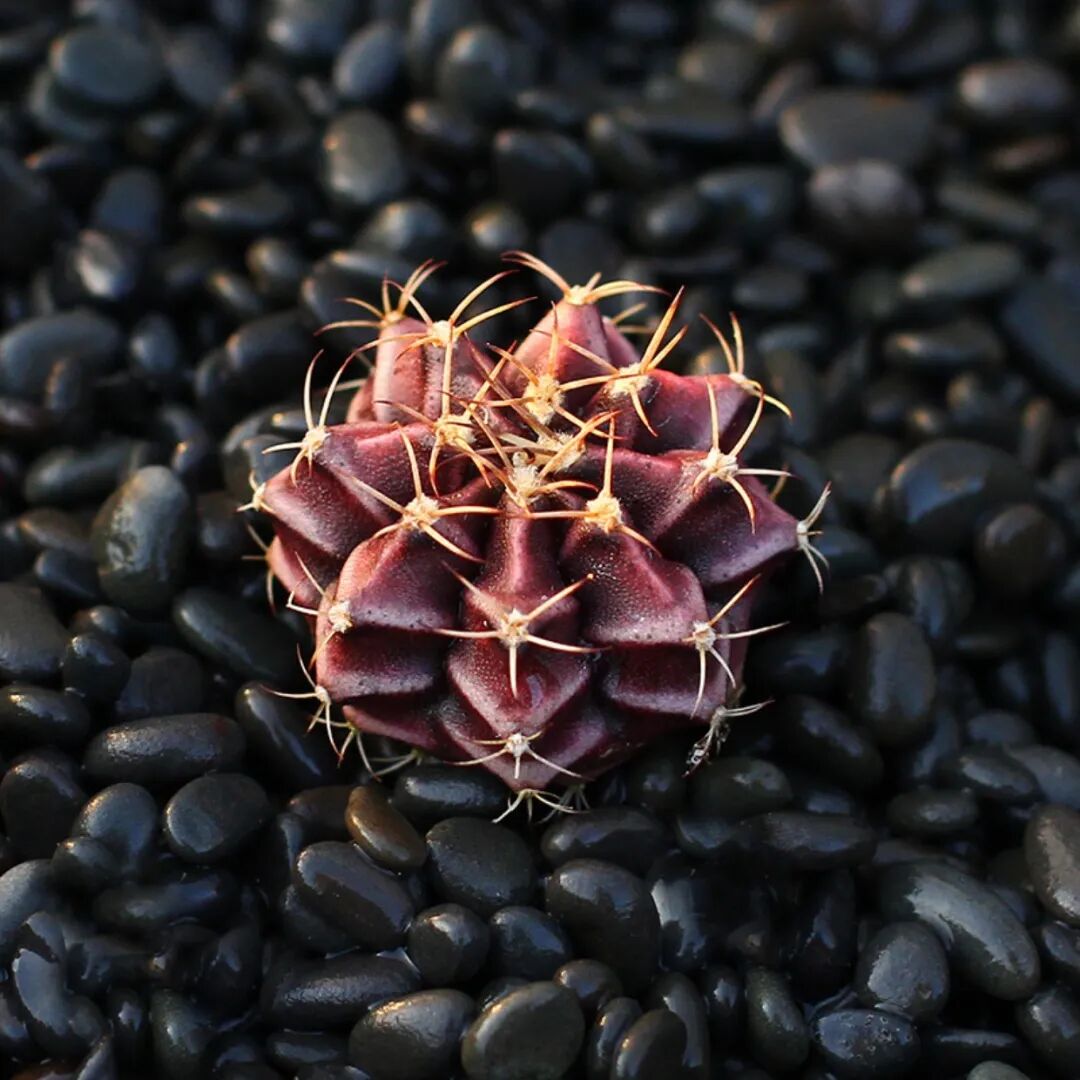
Ruichang jade is spherical, wart round, white thorn tip, brown near thorn seat end, red or white flowers. Very easy to breed and suitable for novices.

Fairy jade is generally globular, and old plants may grow into short columns, with dark green or gray-green skin, which is a little white powder. In low-altitude areas, Qi Xianyu will have thorns when it is a child, and it will fall off when it grows up. This will not happen in high-altitude areas.
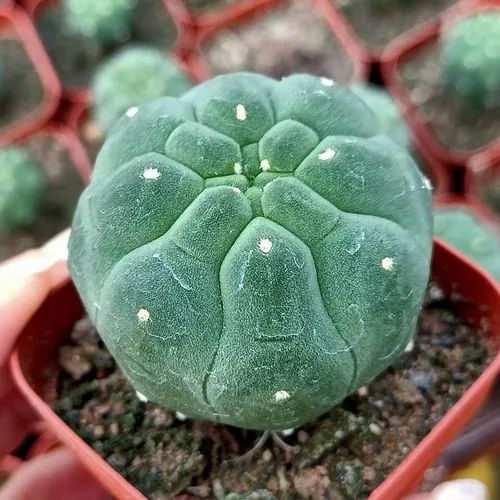
Dazzling jade is spherical to elliptical, the sphere is dark green with shallow ribs, each shallow rib has 13-15 round warts, and there are 8-10 radial peripheral thorns (new thorns are yellowish brown, old thorns are gray brown).

The star pocket sphere is oblate, with neat eight edges. There is a pompom-shaped thorn seat in the center of the back of the rib, and white curly hair is distributed.
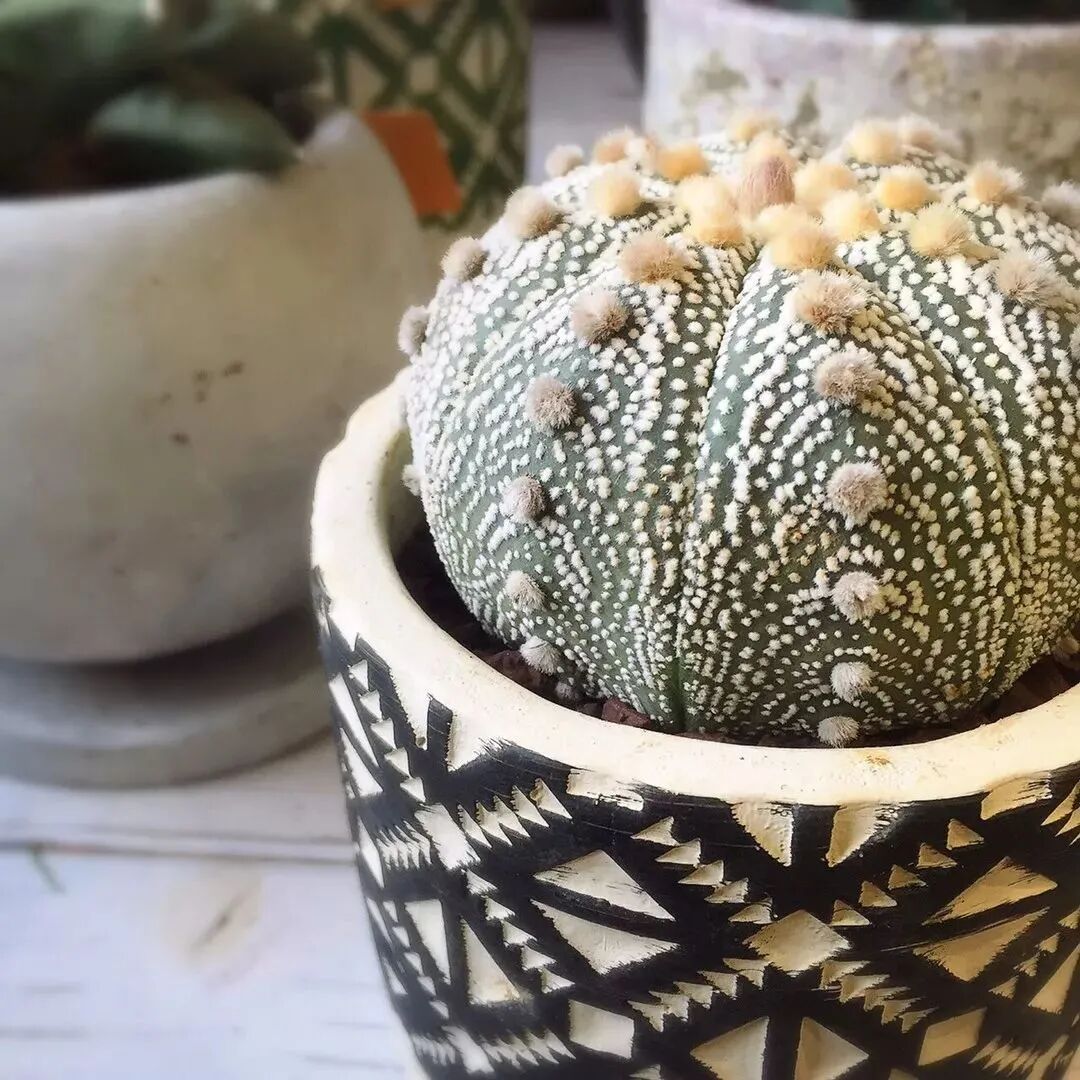
The red sun plant is columnar, and the closer the adult plant is to the growth point, the brighter the red thorns or purple thorns, which is quite beautiful.

Orangutan pellets are usually solitary, with barrel-shaped spheres, dark green, 13-21 ribs, 20-30 radial spines and 7-15 middle spines, which are reddish-brown.
A very recognizable cactus species, with big and long thorns, bared teeth and claws, and looked like a meat thorn ball.

Black gun pill is usually globular (it may gradually grow into a short column in the later period), blue-gray yellow-green, with white hairs covered at the growth point, hard and long thorns, white at the base and gradually black at the end.
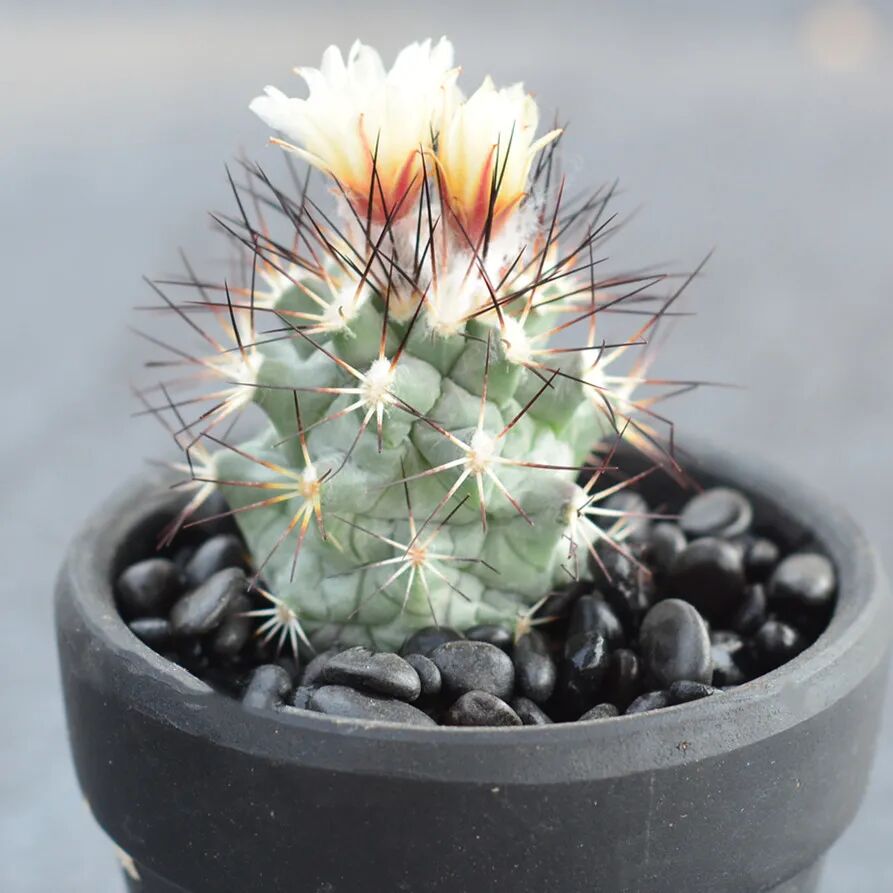
The broken piano is a plant of the genus Papillaria. The ball has angular ribs and hazel brown spines distributed on it.
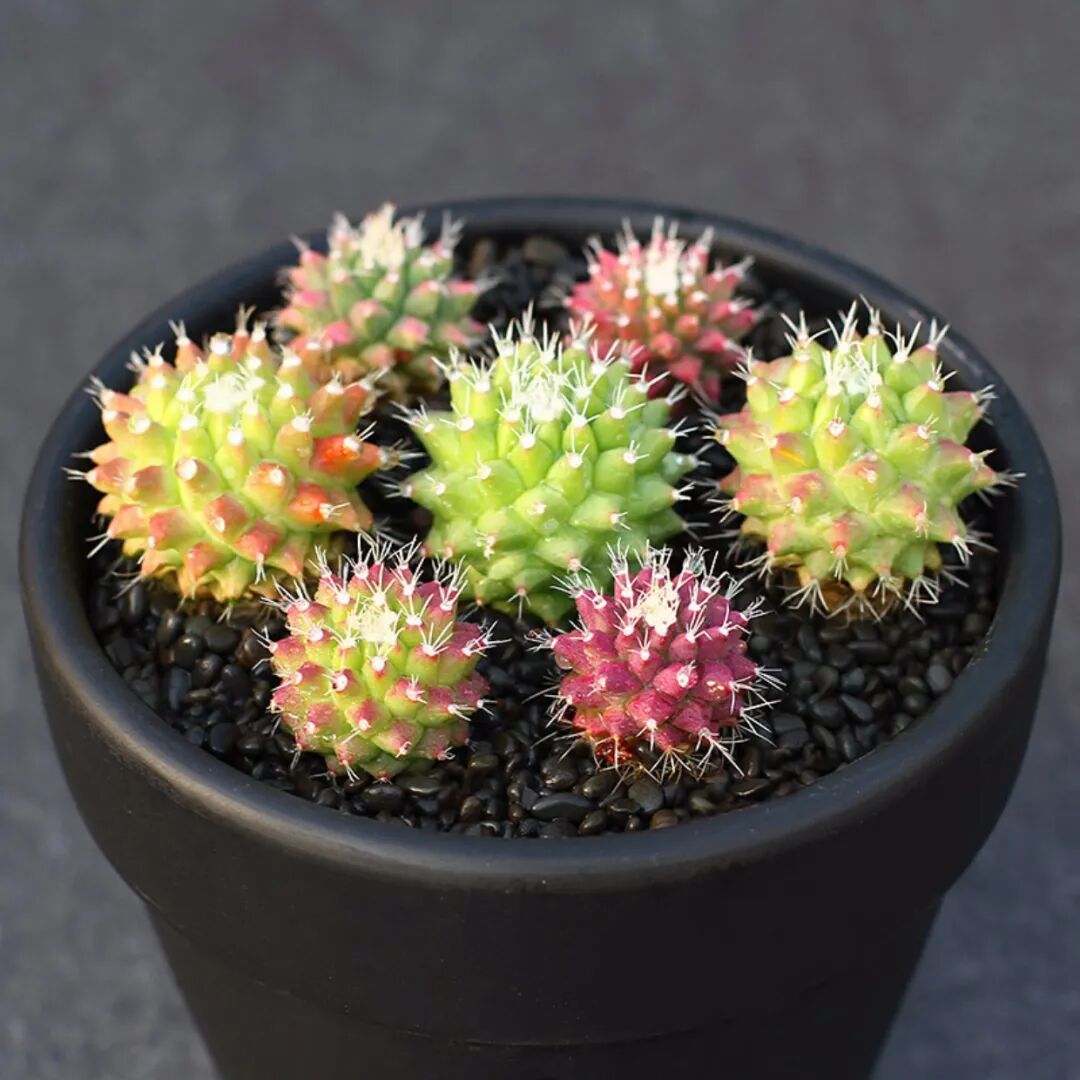
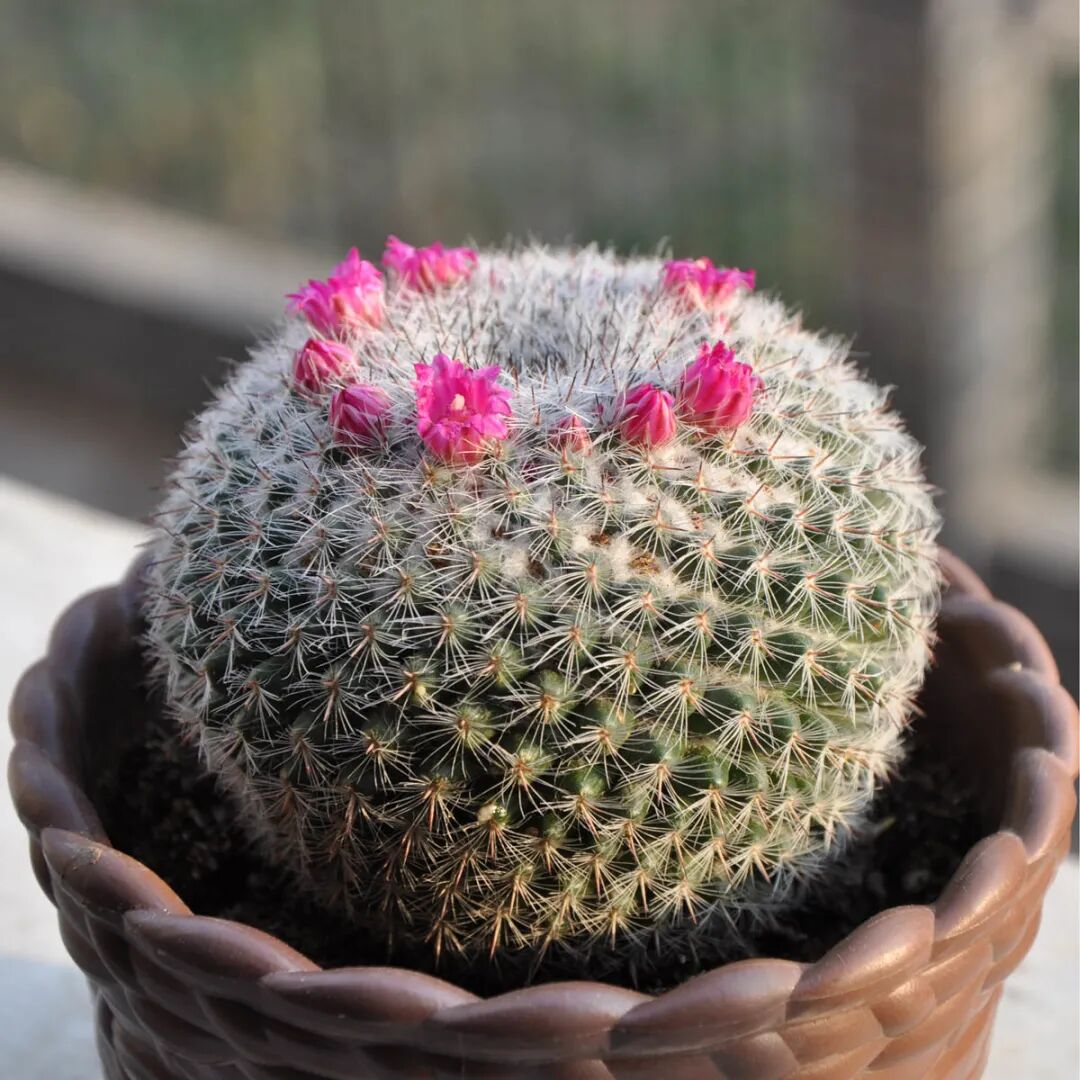
The stems are small spherical (5-7 cm in diameter), densely clustered, dark green, and densely covered with white feather-like spines (white long wool hairs on the armpits of wart-like protrusions).
The white bird is globular, first solitary and then in groups. The whole body is covered with soft white thorns, and the ball is very soft. The growth period is very short, and the high temperature and humidity in summer often cause decay, making cultivation difficult.
The high sand plant is small and easy to grow, and it is characterized by the fact that it is covered with fluff, and the whole sphere is covered with fluff.
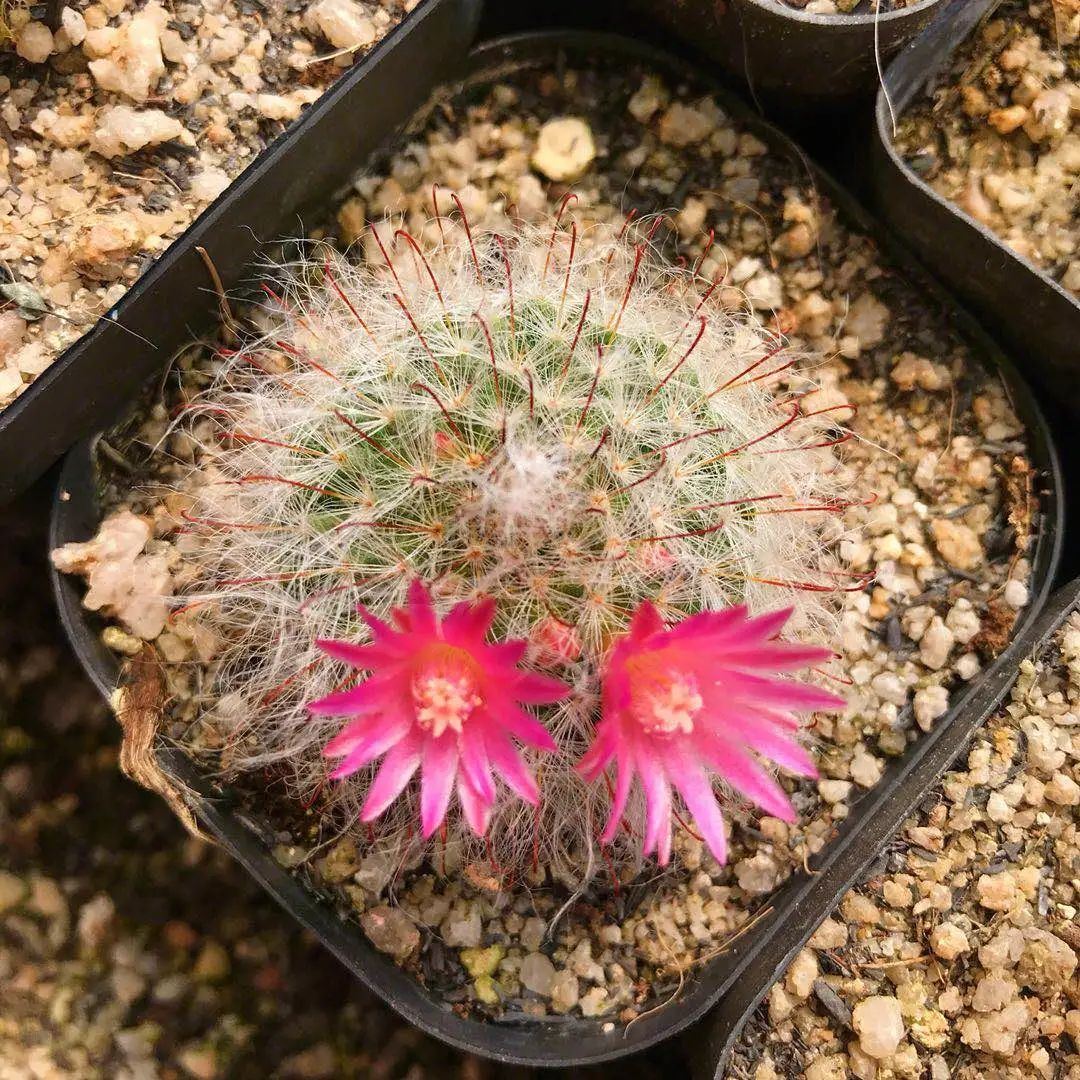
The sphere is round or flat, blue-green or dark green. Each spine seat has 3 central spines (very stout, gray pointed, inward curved) and 8-9 radial small spines.